# What Is a Sump Pump and How Does It Work?
> A sump pump sits in a pit below the basement floor and pumps rising groundwater away from the house. How it works, the main types, and signs it may need attention.
_Michael Wallace · 2026-09-27_
---
A sump pump is a pump that sits in a pit dug below the basement floor. When groundwater collects in that pit, the pump switches on and pushes the water out through a pipe to a spot away from the house. In many homes it is the part of a basement waterproofing system that actually moves the water out.
Most people never think about their sump pump until it stops working. This post explains what a sump pump does, how the parts work together, the main types, where the water goes, and the signs that a pump may need a closer look.
## What Does a Sump Pump Do?
A sump pump keeps water that gathers under and around a basement from rising to the level of the floor.
After heavy or steady rain, the soil around a house can fill with water. Some of that water can press against the foundation and work its way in through the walls, the floor, or the joint where the two meet. A sump pump gives that water a low place to collect first, then lifts it out of the building before it can spread across the basement.
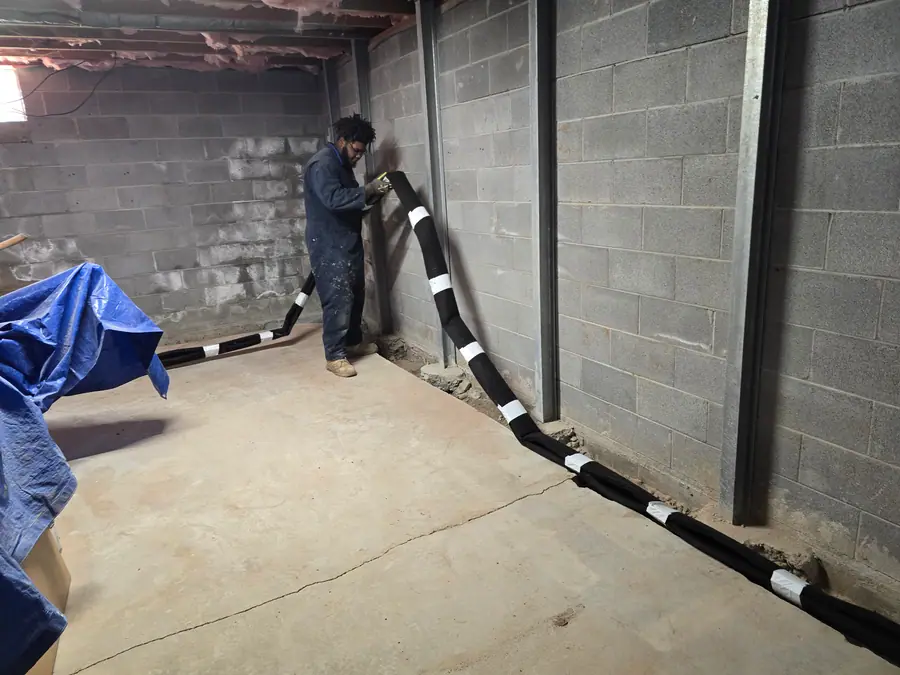
In homes with an interior drainage system, a channel around the edge of the basement floor carries water to the sump pit. The pump then does the lifting for the whole system.
 ## How Does a Sump Pump Work?
A typical sump pump setup has a few parts that work in sequence.
1. **The sump basin.** A plastic or concrete pit set into the basement floor, usually in a low corner. Water from the surrounding soil or from a drainage channel flows into it.
2. **The float switch.** As the water level in the basin rises, a float rises with it. When the float reaches a set height, it turns the pump on.
3. **The pump.** A motor spins an impeller, which pushes the water up and out of the basin.
4. **The discharge pipe.** The water travels up through a pipe and out of the house.
5. **The check valve.** A one way valve on the discharge pipe keeps water from falling back into the basin once the pump shuts off.
When the water level drops, the float drops too and the pump turns off. In a wet season it may cycle many times a day. In a dry stretch it can sit idle for weeks.
## What Does a Sump Pump Look Like?
In most basements you will see a round lid set into the floor, often in a corner or along a wall. Under that lid is the basin. A plastic pipe usually rises from the basin up the wall and leaves the house near the top of the foundation. You may also see a power cord running to a nearby outlet, and sometimes a second, smaller pump or a battery box beside it.
If you have a basement and have never found this setup, your home may not have a sump pump at all.
## What Are the Main Types of Sump Pumps?
There are two common primary pump designs, plus backup pumps that support them.
- **Submersible pumps.** The motor and pump sit inside the basin, underwater. They tend to run more quietly and take up less room, since the whole unit is hidden under the lid.
- **Pedestal pumps.** The motor sits on a column above the basin, with only the intake down in the water. The motor stays dry and is easier to reach for service, though these pumps are usually louder and more visible.
- **Battery backup pumps.** A second pump, powered by a battery, that can take over if the main pump fails or the power goes out.
- **Water powered backup pumps.** Some backups use the pressure of a home's water supply in place of electricity. They generally need city water service with enough pressure to work.
A sewage ejector pump is sometimes confused with a sump pump. An ejector pump handles waste water from a basement bathroom or laundry and sends it to the sewer or septic system. A sump pump handles groundwater. The two jobs call for different equipment.
## Where Does Sump Pump Water Go?
The discharge pipe carries water outside, and where it ends up matters a great deal.
If the pipe empties right next to the foundation, the water can soak back into the soil and return to the same basin. The pump may then run over and over while the problem stays put. A discharge point that sends water well away from the house, toward ground that slopes away, usually works far better.
Many localities also have rules about where sump water can go, and some do not allow it to drain into the sanitary sewer. Your local building or public works office can tell you what applies where you live.
## Why Does a Sump Pump Need a Backup?
The storms most likely to push water into a basement are often the same storms that knock out power. A pump that runs only on household electricity stops when the power does.
A backup pump or backup power source gives the system a way to keep working through an outage. It can also cover a main pump that fails from wear, a stuck float switch, or a clogged intake. Whether a backup makes sense for a particular home can depend on how much water the basin sees and how the home is used. It is worth raising during an inspection.
## How Can You Tell If a Sump Pump Is Not Working?
Some warning signs are easy to spot during a quick check.
- The pump runs constantly, even in dry weather
- The pump turns on and off very rapidly
- Water sits high in the basin but the pump does not start
- Grinding, rattling, or loud humming from the pump
- Water on the floor around the basin
- Rust, heavy buildup, or a float that looks stuck against the basin wall
A simple test can also help. Slowly pour a bucket of water into the basin and watch whether the float rises, the pump turns on, and the pump shuts off again once the water drops. If nothing happens, the pump may have lost power or stopped working.
These checks can give you a general idea of how the pump is doing. An inspection is still the most reliable way to find out whether the pump, the switch, the discharge line, or the drainage feeding the basin needs work.
## How Does a Sump Pump Fit Into Basement Waterproofing?
A sump pump is usually one part of a larger system, and it can only move the water that reaches it.
With [interior basement waterproofing](/basement-waterproofing/interior-waterproofing/), a drainage channel around the edge of the basement floor collects water that comes through the walls or the wall to floor joint and carries it to the basin. Outside the house, a [french drain](/basement-waterproofing/french-drain-installation/) can catch water moving through the soil before it reaches the foundation, and [exterior waterproofing](/basement-waterproofing/exterior-waterproofing/) addresses the outside face of the walls. Which approach suits a home often depends on where the water is coming from.
## How Does a Sump Pump Work?
A typical sump pump setup has a few parts that work in sequence.
1. **The sump basin.** A plastic or concrete pit set into the basement floor, usually in a low corner. Water from the surrounding soil or from a drainage channel flows into it.
2. **The float switch.** As the water level in the basin rises, a float rises with it. When the float reaches a set height, it turns the pump on.
3. **The pump.** A motor spins an impeller, which pushes the water up and out of the basin.
4. **The discharge pipe.** The water travels up through a pipe and out of the house.
5. **The check valve.** A one way valve on the discharge pipe keeps water from falling back into the basin once the pump shuts off.
When the water level drops, the float drops too and the pump turns off. In a wet season it may cycle many times a day. In a dry stretch it can sit idle for weeks.
## What Does a Sump Pump Look Like?
In most basements you will see a round lid set into the floor, often in a corner or along a wall. Under that lid is the basin. A plastic pipe usually rises from the basin up the wall and leaves the house near the top of the foundation. You may also see a power cord running to a nearby outlet, and sometimes a second, smaller pump or a battery box beside it.
If you have a basement and have never found this setup, your home may not have a sump pump at all.
## What Are the Main Types of Sump Pumps?
There are two common primary pump designs, plus backup pumps that support them.
- **Submersible pumps.** The motor and pump sit inside the basin, underwater. They tend to run more quietly and take up less room, since the whole unit is hidden under the lid.
- **Pedestal pumps.** The motor sits on a column above the basin, with only the intake down in the water. The motor stays dry and is easier to reach for service, though these pumps are usually louder and more visible.
- **Battery backup pumps.** A second pump, powered by a battery, that can take over if the main pump fails or the power goes out.
- **Water powered backup pumps.** Some backups use the pressure of a home's water supply in place of electricity. They generally need city water service with enough pressure to work.
A sewage ejector pump is sometimes confused with a sump pump. An ejector pump handles waste water from a basement bathroom or laundry and sends it to the sewer or septic system. A sump pump handles groundwater. The two jobs call for different equipment.
## Where Does Sump Pump Water Go?
The discharge pipe carries water outside, and where it ends up matters a great deal.
If the pipe empties right next to the foundation, the water can soak back into the soil and return to the same basin. The pump may then run over and over while the problem stays put. A discharge point that sends water well away from the house, toward ground that slopes away, usually works far better.
Many localities also have rules about where sump water can go, and some do not allow it to drain into the sanitary sewer. Your local building or public works office can tell you what applies where you live.
## Why Does a Sump Pump Need a Backup?
The storms most likely to push water into a basement are often the same storms that knock out power. A pump that runs only on household electricity stops when the power does.
A backup pump or backup power source gives the system a way to keep working through an outage. It can also cover a main pump that fails from wear, a stuck float switch, or a clogged intake. Whether a backup makes sense for a particular home can depend on how much water the basin sees and how the home is used. It is worth raising during an inspection.
## How Can You Tell If a Sump Pump Is Not Working?
Some warning signs are easy to spot during a quick check.
- The pump runs constantly, even in dry weather
- The pump turns on and off very rapidly
- Water sits high in the basin but the pump does not start
- Grinding, rattling, or loud humming from the pump
- Water on the floor around the basin
- Rust, heavy buildup, or a float that looks stuck against the basin wall
A simple test can also help. Slowly pour a bucket of water into the basin and watch whether the float rises, the pump turns on, and the pump shuts off again once the water drops. If nothing happens, the pump may have lost power or stopped working.
These checks can give you a general idea of how the pump is doing. An inspection is still the most reliable way to find out whether the pump, the switch, the discharge line, or the drainage feeding the basin needs work.
## How Does a Sump Pump Fit Into Basement Waterproofing?
A sump pump is usually one part of a larger system, and it can only move the water that reaches it.
With [interior basement waterproofing](/basement-waterproofing/interior-waterproofing/), a drainage channel around the edge of the basement floor collects water that comes through the walls or the wall to floor joint and carries it to the basin. Outside the house, a [french drain](/basement-waterproofing/french-drain-installation/) can catch water moving through the soil before it reaches the foundation, and [exterior waterproofing](/basement-waterproofing/exterior-waterproofing/) addresses the outside face of the walls. Which approach suits a home often depends on where the water is coming from.
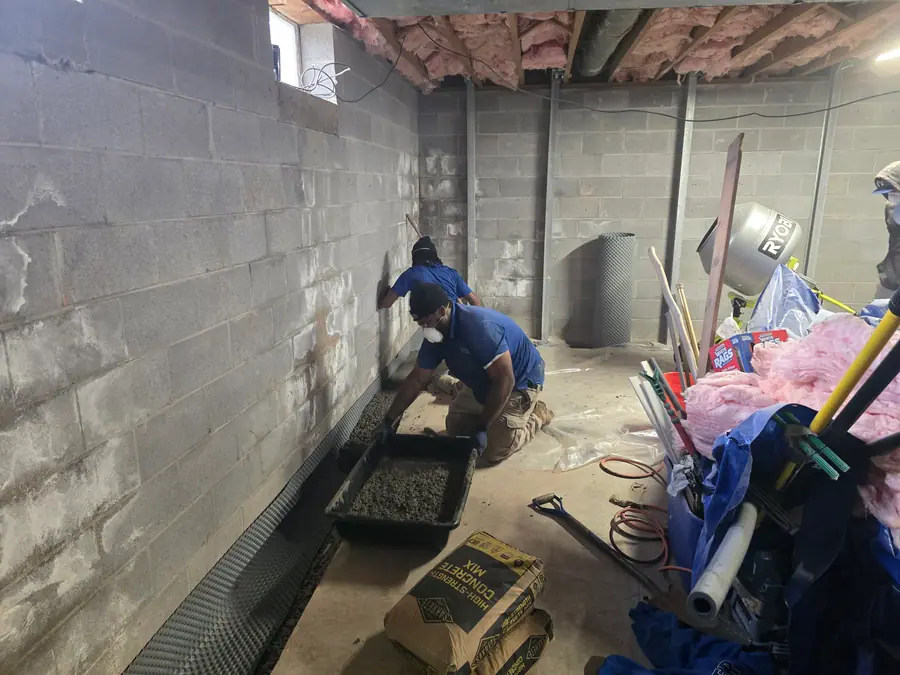 On the pump itself, [sump pump installation](/basement-waterproofing/sump-pump-installation/) covers sizing the pump to the water the site produces, setting the basin so it collects from the drainage system, fitting a check valve, and routing the discharge away from the foundation.
Rozier Pest Control & Waterproofing provides [basement waterproofing services](/basement-waterproofing/) across southern Virginia and northern North Carolina, including South Hill, Petersburg and Danville. If water is showing up in your basement or your sump pump is acting up, you can [request a basement inspection](/contact-us/) to find out what is going on.
On the pump itself, [sump pump installation](/basement-waterproofing/sump-pump-installation/) covers sizing the pump to the water the site produces, setting the basin so it collects from the drainage system, fitting a check valve, and routing the discharge away from the foundation.
Rozier Pest Control & Waterproofing provides [basement waterproofing services](/basement-waterproofing/) across southern Virginia and northern North Carolina, including South Hill, Petersburg and Danville. If water is showing up in your basement or your sump pump is acting up, you can [request a basement inspection](/contact-us/) to find out what is going on.