What Affects the Cost
Pricing depends on the size of the property, the extent of the problem, and how easy the area is to access.
A drain that intercepts water upslope of the house solves problems no sealant can.
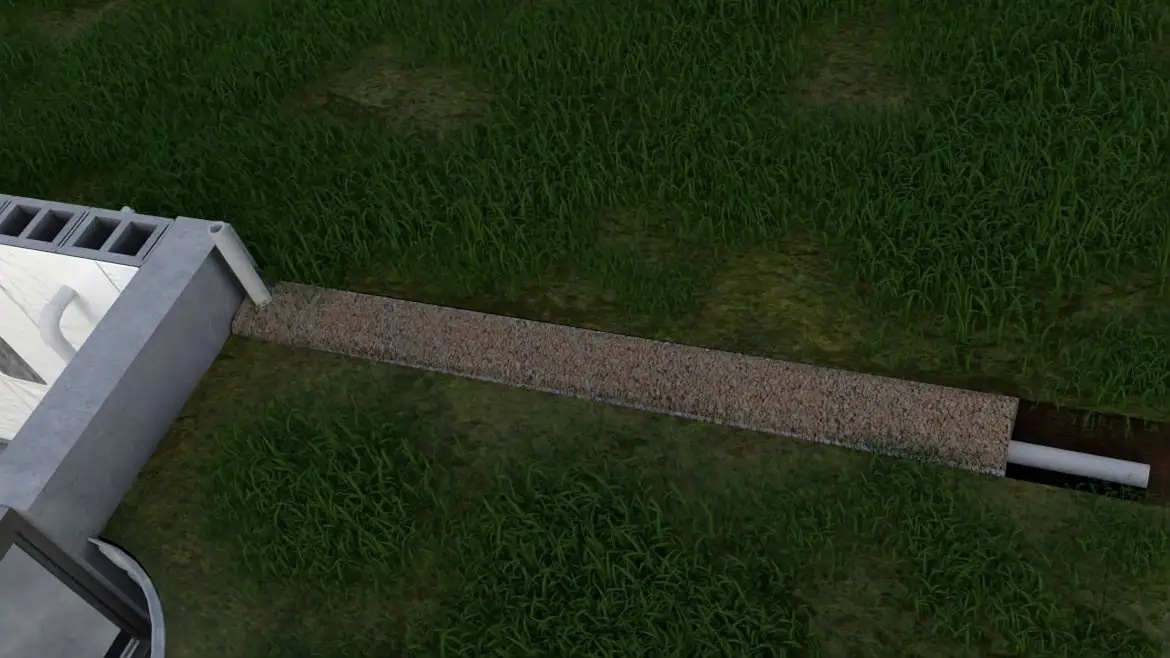
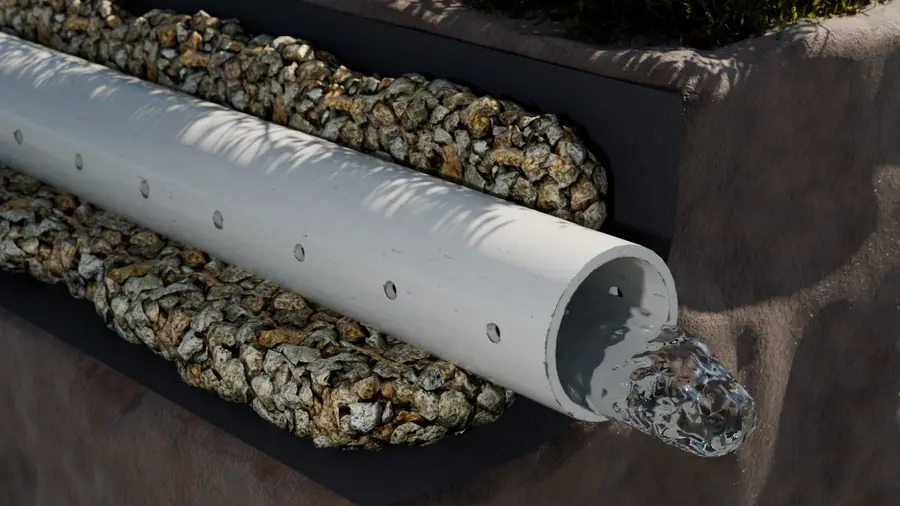
A french drain is a gravel filled trench containing perforated pipe, positioned to intercept water moving through the soil and carry it to a discharge point away from the structure. It is the right solution when the problem is the volume of water reaching the foundation rather than the condition of the wall.
The design work matters more than the digging. The drain has to sit where the water actually travels, hold consistent fall to a discharge point that is genuinely lower and genuinely away from the building, and be wrapped and bedded so it does not silt up and quietly stop working after a few seasons. Fall, filter fabric and a genuine discharge point are what keep a drain working over time.
On sloped lots, wooded properties and the lakeside sites common across our service area, an exterior drain is frequently the most cost effective fix available, because it addresses the cause rather than managing the consequence.
Each method is matched to what the inspection finds at your property. Read how each one works and when it is the right call.
Saturated clay backfill and heavy annual rainfall drive hydrostatic pressure against basement walls in ways that drier regions never see. Generic waterproofing approaches fail here because they ignore the soil and climate that put water against the wall in the first place.
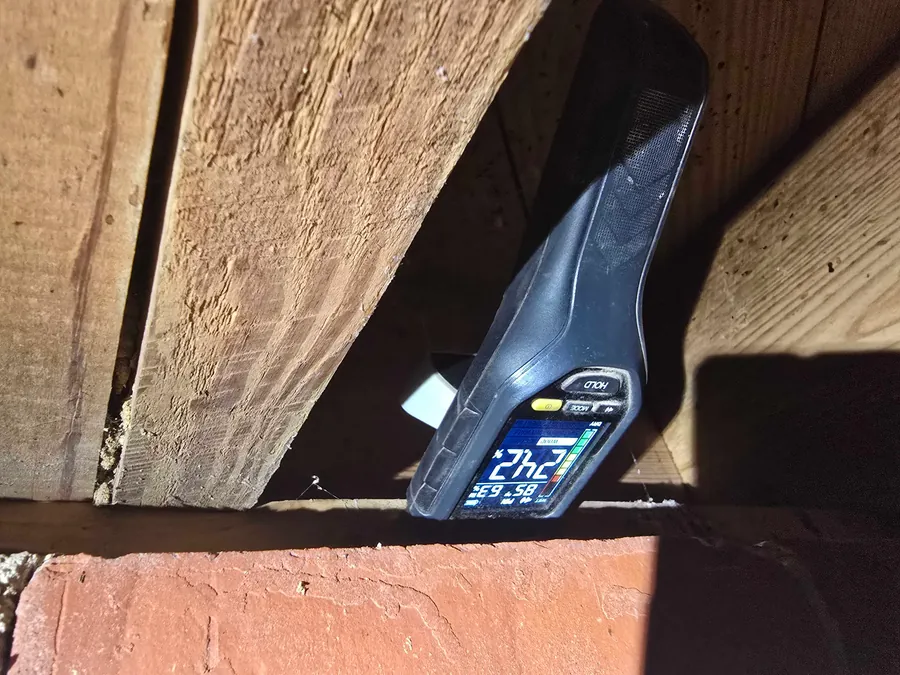
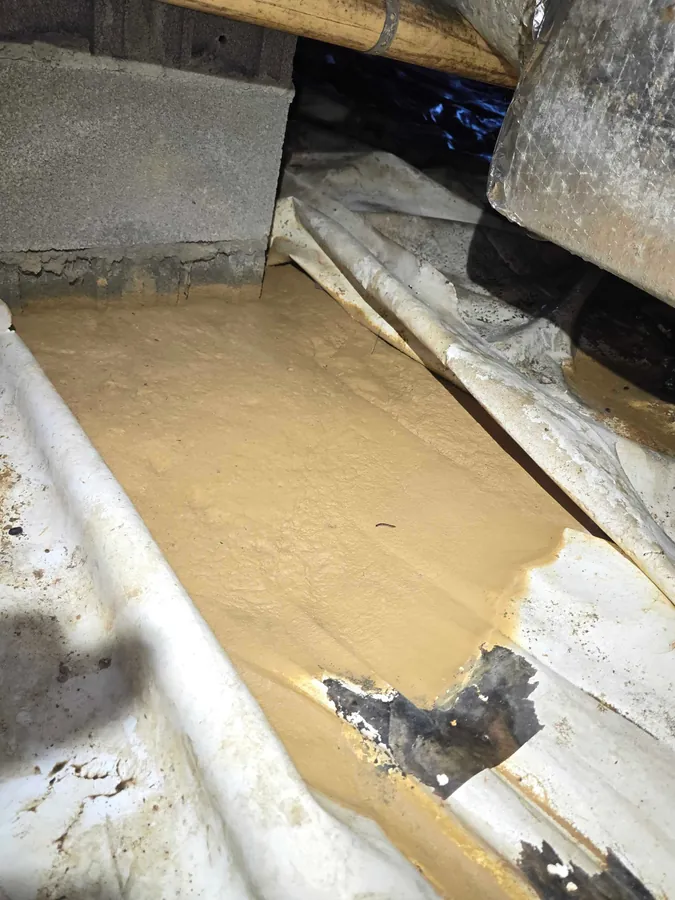
For much of the year the outside air across this region holds more moisture than the air under a crawl space. That inverts the assumption foundation vents were built on. Warm, humid air enters through the vents, meets the cooler surfaces beneath the floor, and condenses on joists, ductwork and insulation. The vents intended to dry the space are wetting it instead.
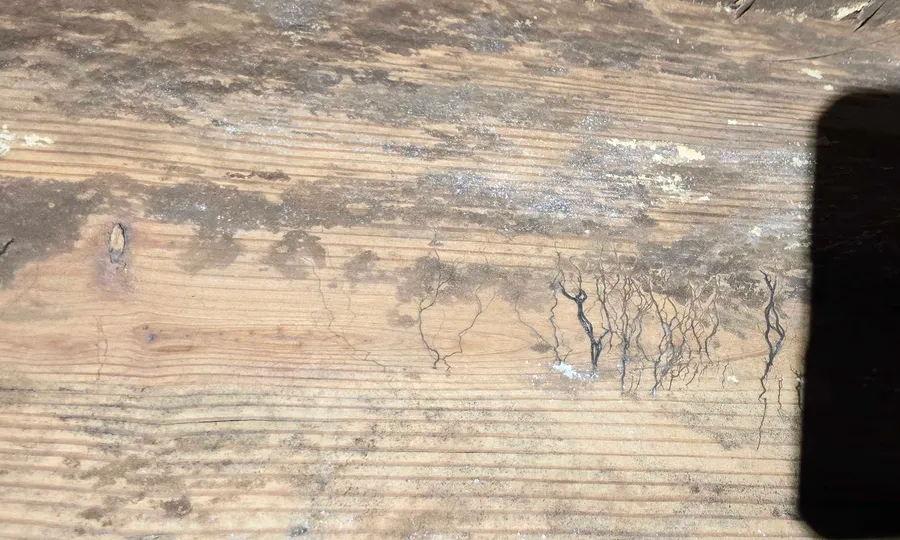
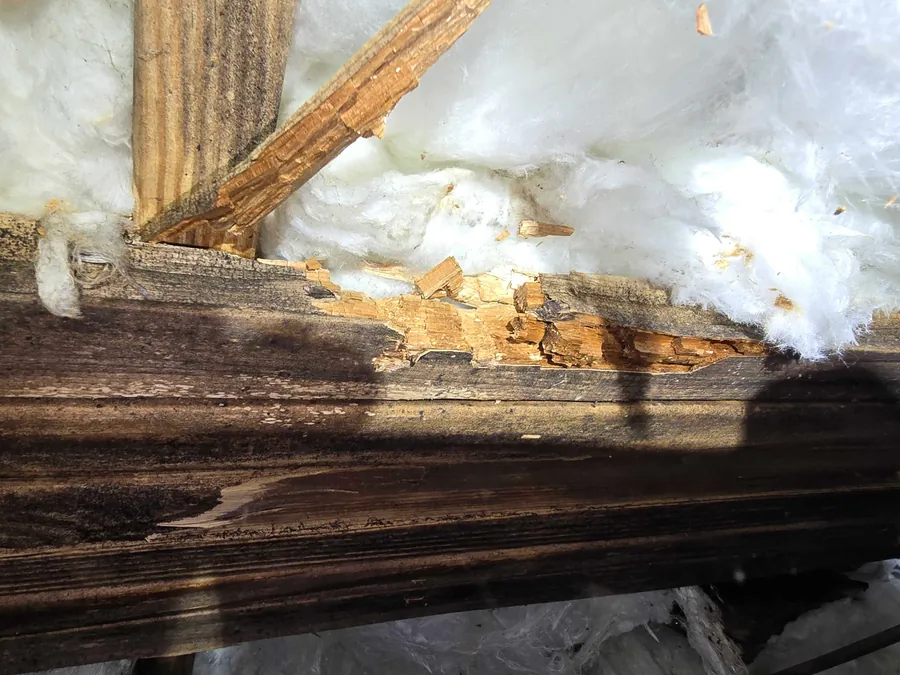
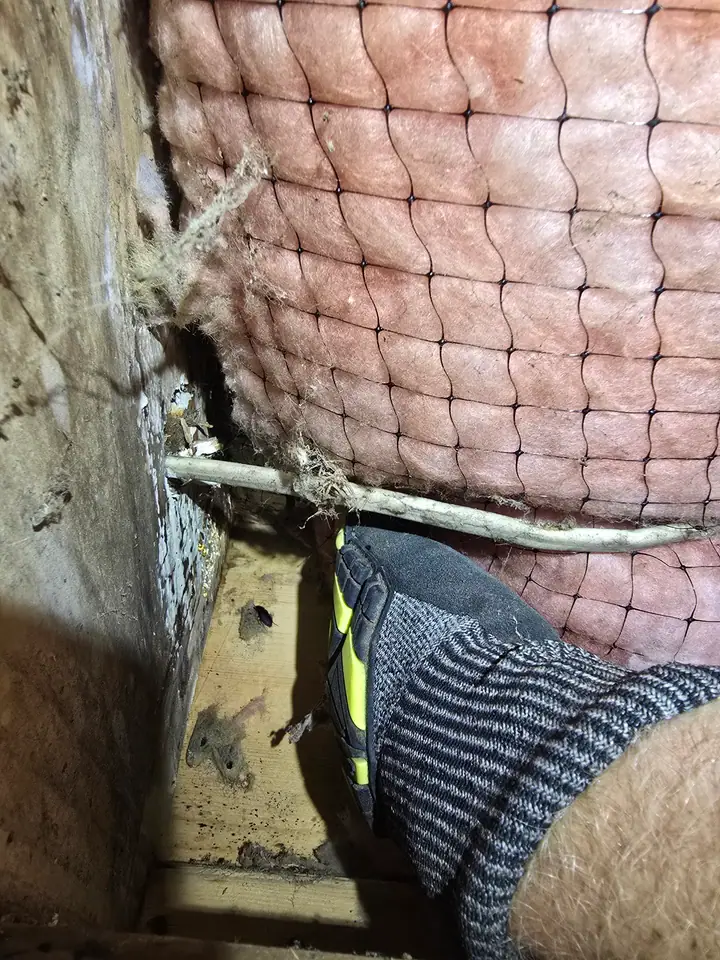
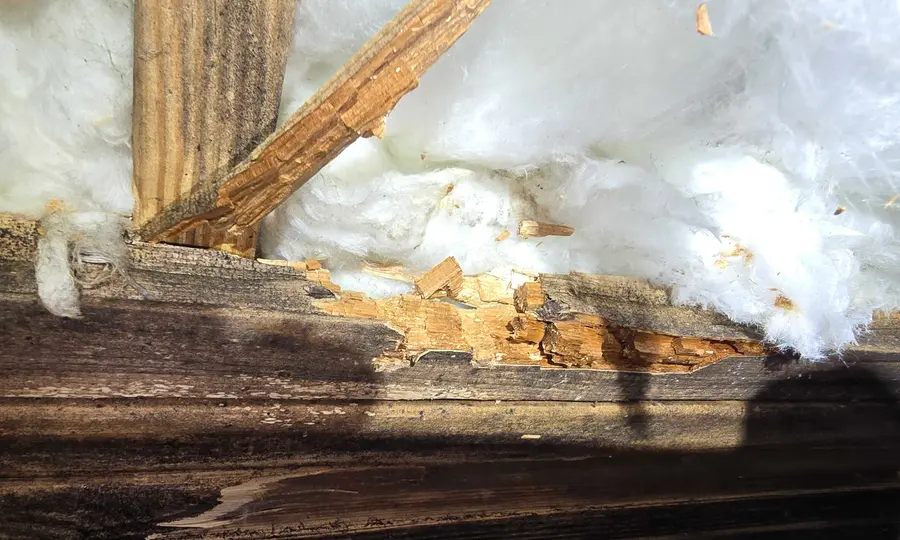
That single mechanism explains most of what we are called out for. Damp framing softens and decays. Mold establishes and its odor rises into the living space through the floor. Termites, cockroaches and rodents are drawn to exactly those conditions. Treating the insects without addressing the moisture underneath simply resets the clock.
Around Lake Gaston and across the forested parts of Mecklenburg, Brunswick, Warren and Halifax counties, shade and tree cover keep soil damp well after the surrounding area has dried. Standing water lingers, foundations stay wet longer after rain, and mosquito habitat persists through more of the season. Properties like these frequently need drainage attention before any treatment is worth doing.
Petersburg and Danville in particular carry a great deal of older housing, and age brings construction details that predate current moisture practice: open crawl spaces with bare soil, wood in direct contact with the ground, original drainage that has silted up, and decades of accumulated repairs. An inspection of a house like that has to read the whole system rather than one symptom.
The signs below are the most common pest and moisture indicators we see in homes in our region. Any of them is worth having looked at during an inspection.
Our specialists evaluate the underlying cause before recommending any work. Inspections are at no cost and there's no obligation to proceed.
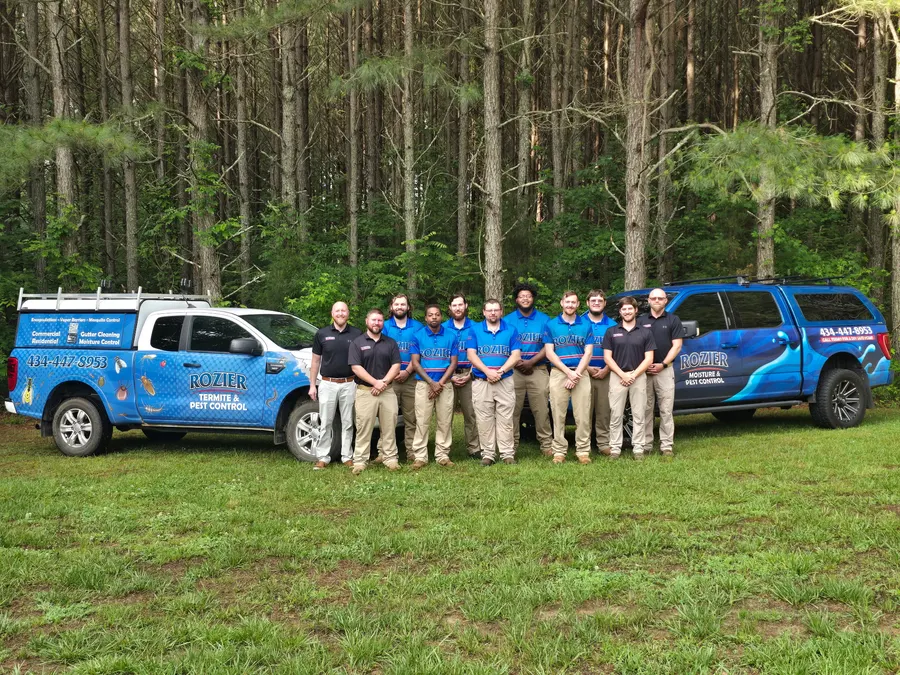
Rozier is a family owned, faith-driven company based in South Hill. Because moisture is what invites termites and rodents in the first place, real prevention starts below the surface.
We treat the infestation and correct the moisture conditions that caused it, instead of handing you to a second contractor.
Each home we visit is assessed through a pest lens and a moisture lens, because underneath a house they are the same problem.
We do not arrive with a predetermined treatment and a timer running. What we propose follows from what we find.
Children, pets and sensitive family members are part of the decision about what gets used and how it is applied.
Don't see your question here? Our team is happy to help. Reach out anytime.
Every home is different, so the cost depends on what we find during the inspection. We provide a written estimate based on the scope of work, access, and site conditions.
Pricing depends on the size of the property, the extent of the problem, and how easy the area is to access.
If the inspection points to a different problem or a simpler solution, we’ll explain that and recommend the appropriate next step.
We put the scope and price in writing before work starts, so you know what has been recommended and what it will cost.
Every basement waterproofing service we offer, matched to what the inspection actually finds.
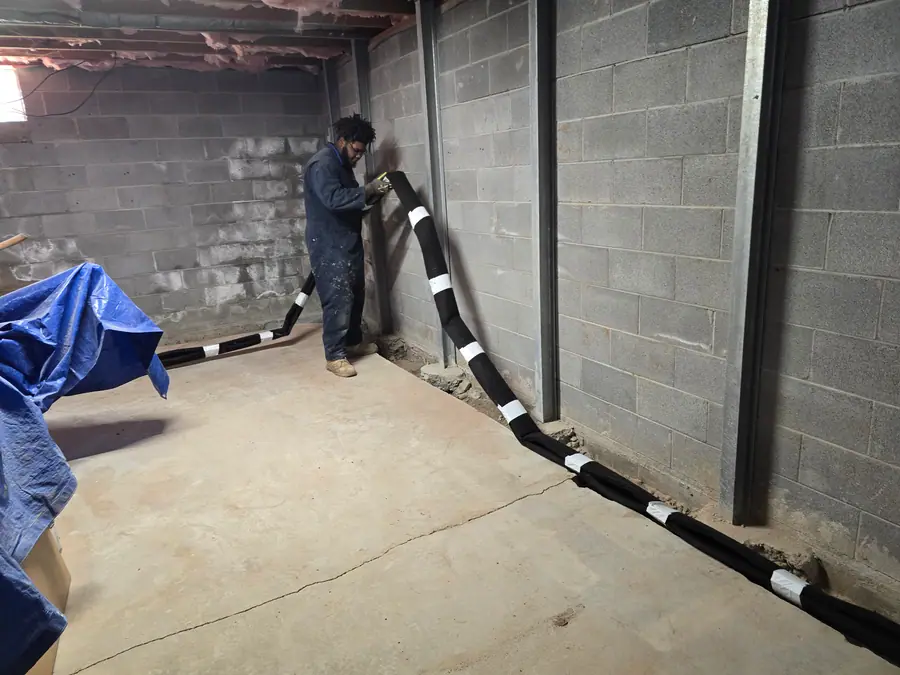
Interior drainage that collects water at the footing and moves it out.
Learn more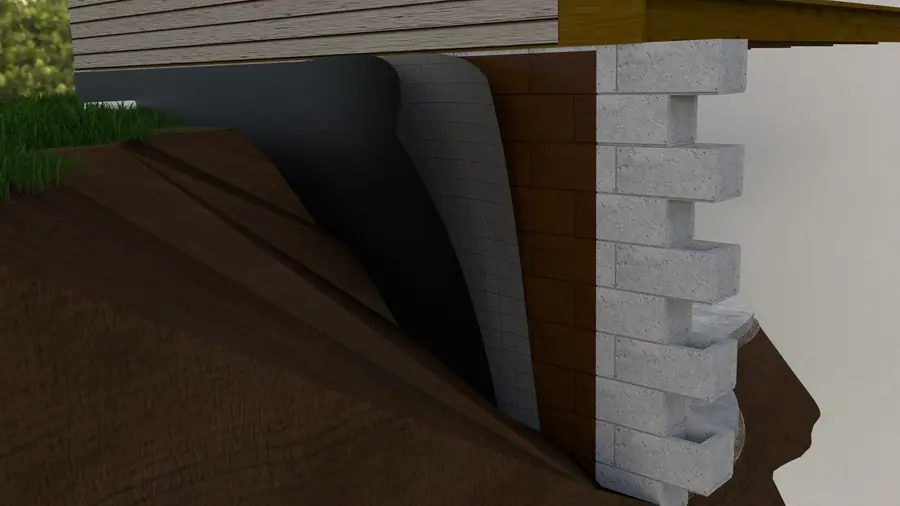
Water reaching the outside of a block wall in red clay: what we check outside and how we handle what comes through.
Learn more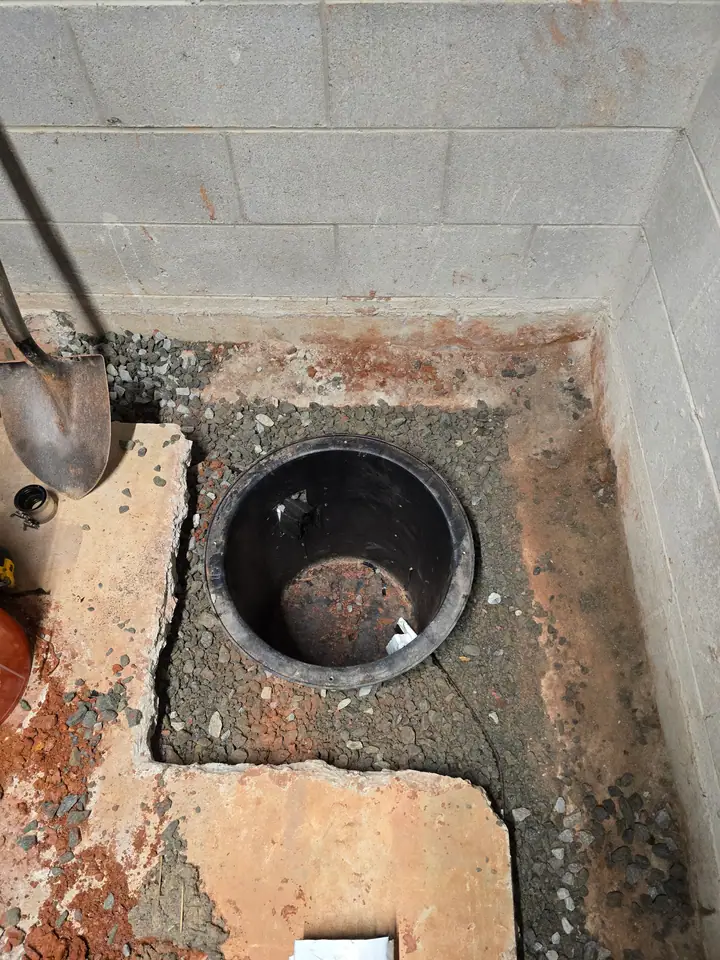
Correctly sized pumps and discharge, installed so they still work in the storm that matters.
Learn more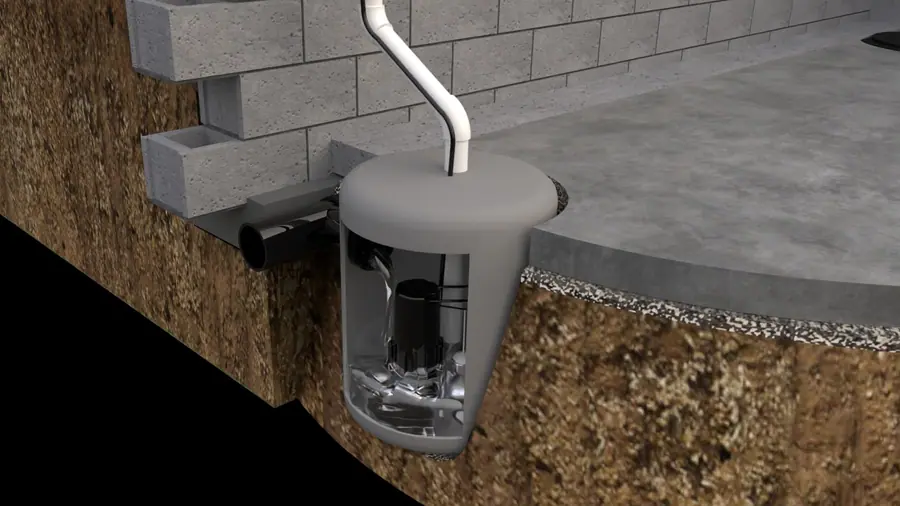
A second pump on battery power, so the system keeps working in the storm that cuts the power.
Learn more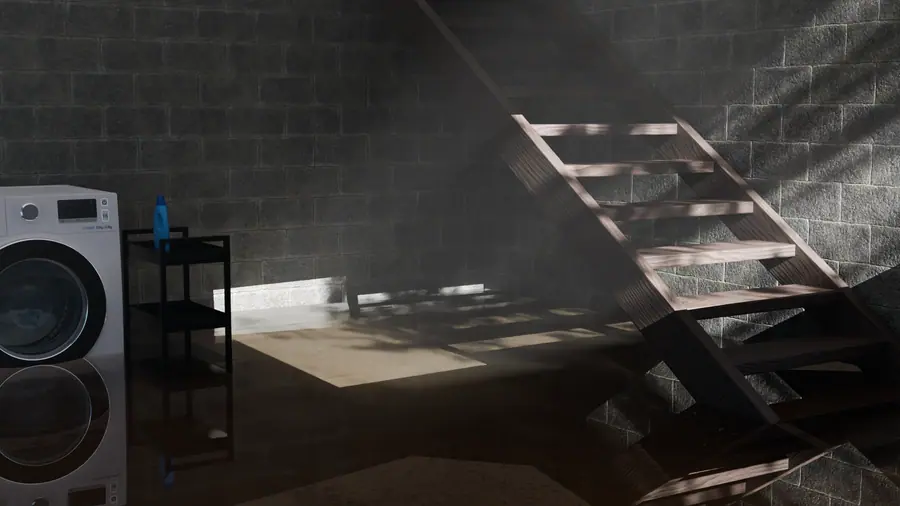
A 20 mil poly liner on block walls that stops wicking and covers efflorescence and staining.
Learn moreRooted in South Hill, we work across both states with the responsiveness of a local team. If your town is not listed, call us. There is a good chance we are already there.
Verified Google reviews from homeowners throughout southern Virginia and northern North Carolina.
Practical articles from the Rozier team on foundation health, waterproofing, and home preservation.
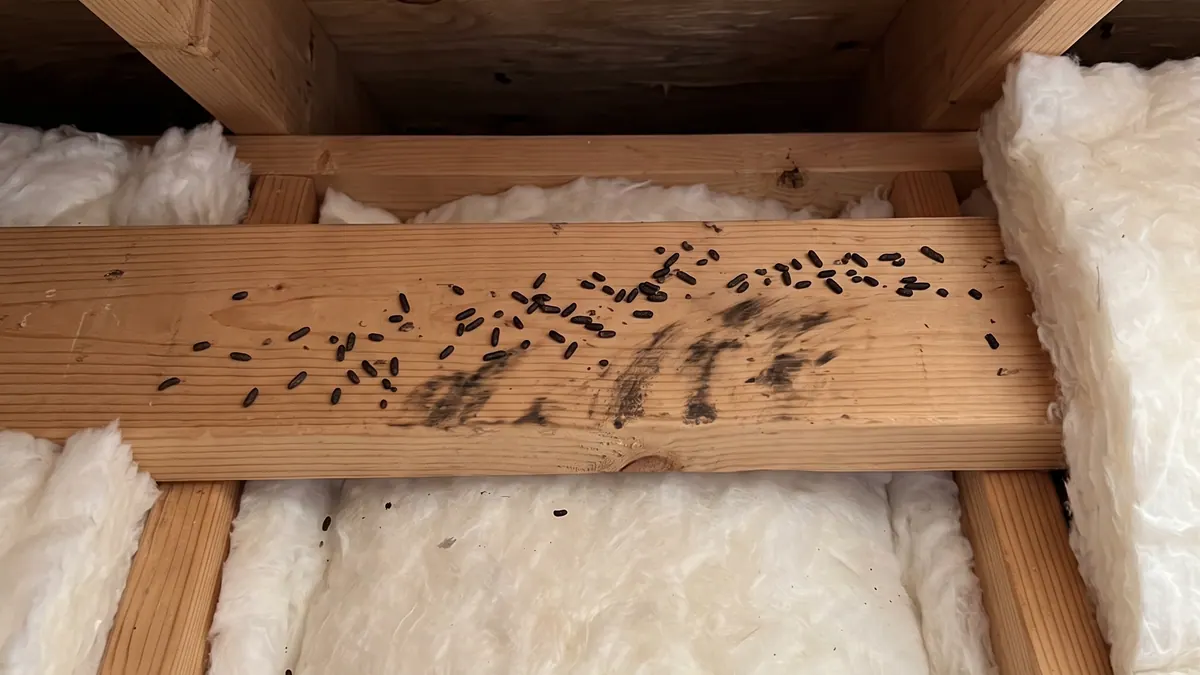 Pest ControlFeatured
Five practical steps to keep mice and rats out: seal entry gaps, trim back vegetation, store food securely, manage trash, and dry standing water.
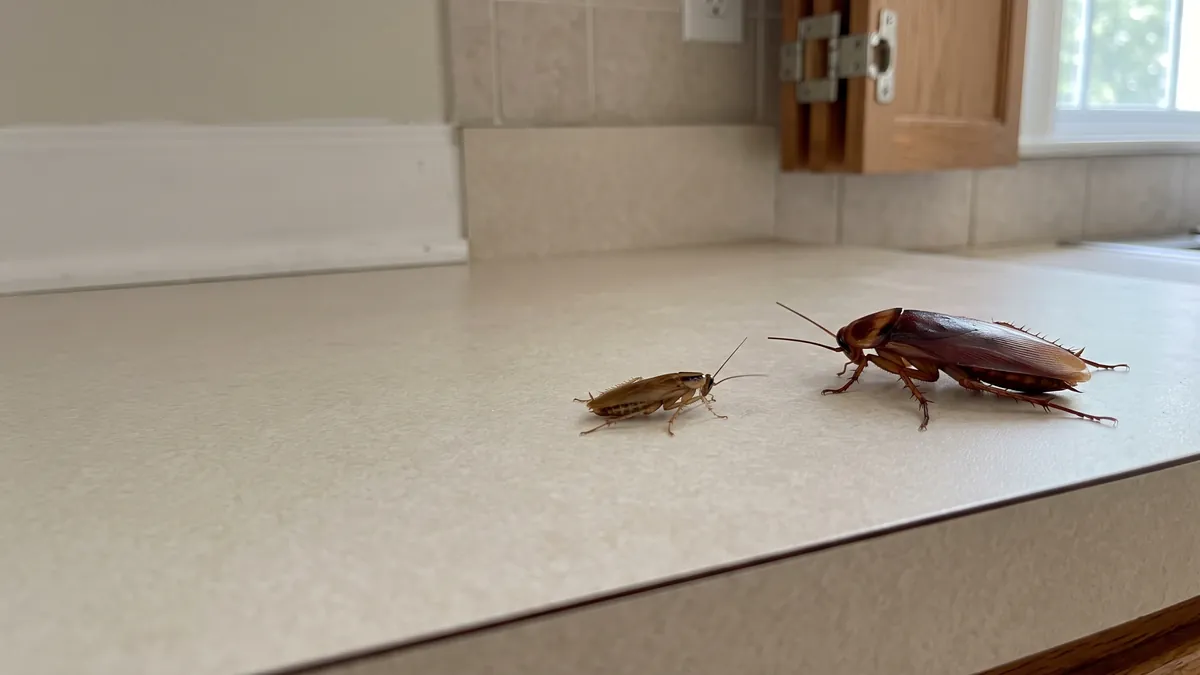 Pest Control
German cockroaches live indoors all year and hide in kitchen and bathroom gaps, so sprays often miss them. What usually works, and what usually does not.
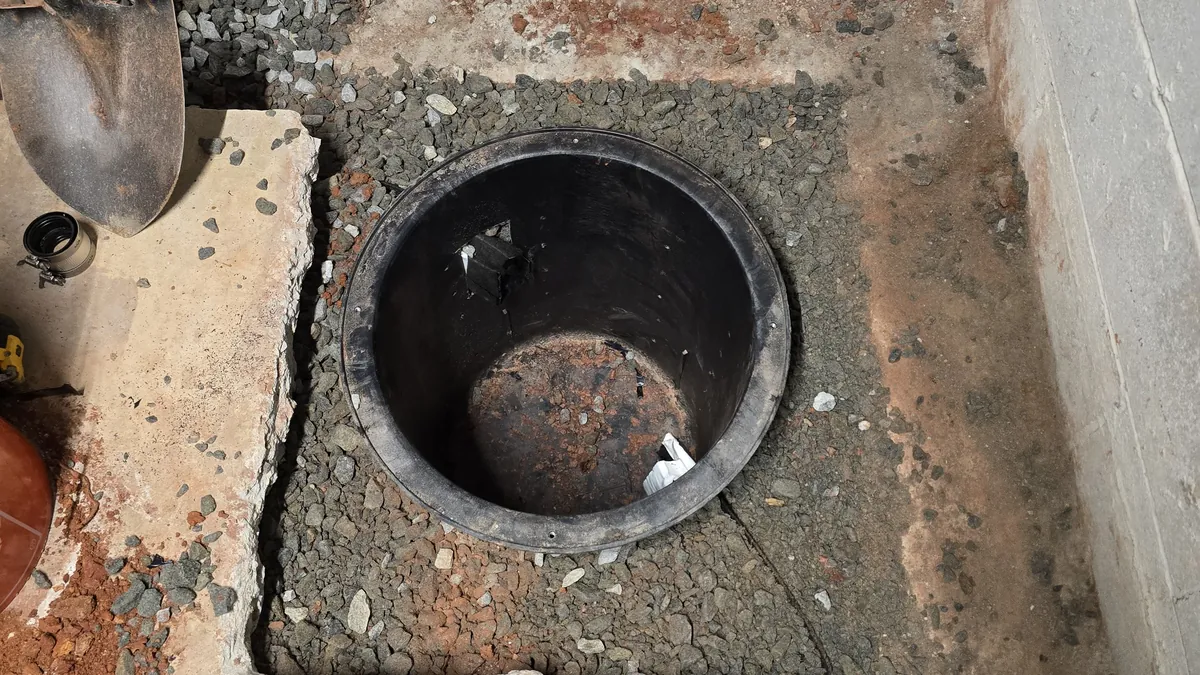 Basement Waterproofing
A sump pump sits in a pit below the basement floor and pumps rising groundwater away from the house. How it works, the main types, and signs it may need attention.