Crawl Space Encapsulation in Southern Virginia
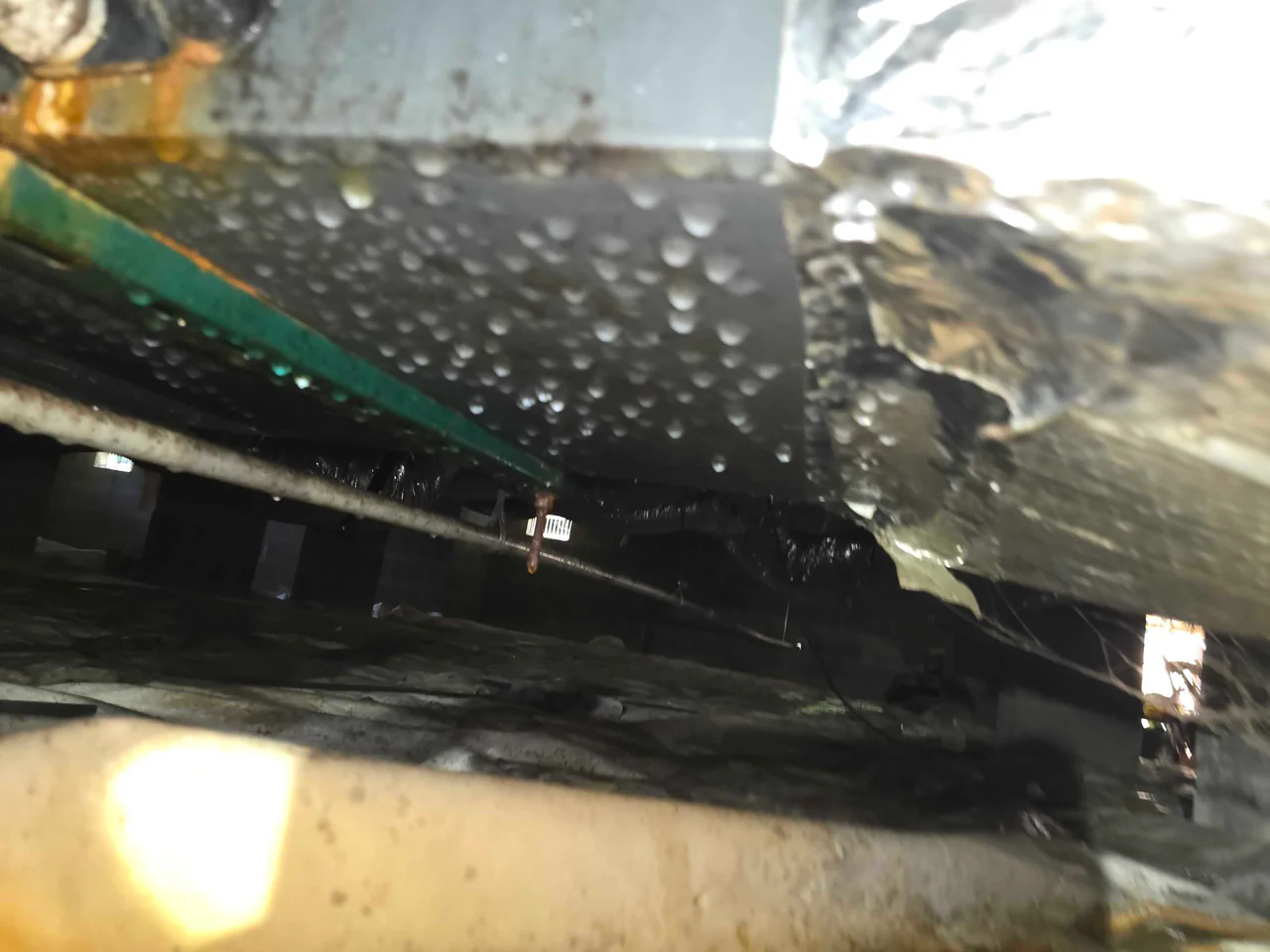
Humid southern air plus open vents plus bare soil is the recipe for everything you do not want under a house.
How Our Crawl Space Encapsulation Works
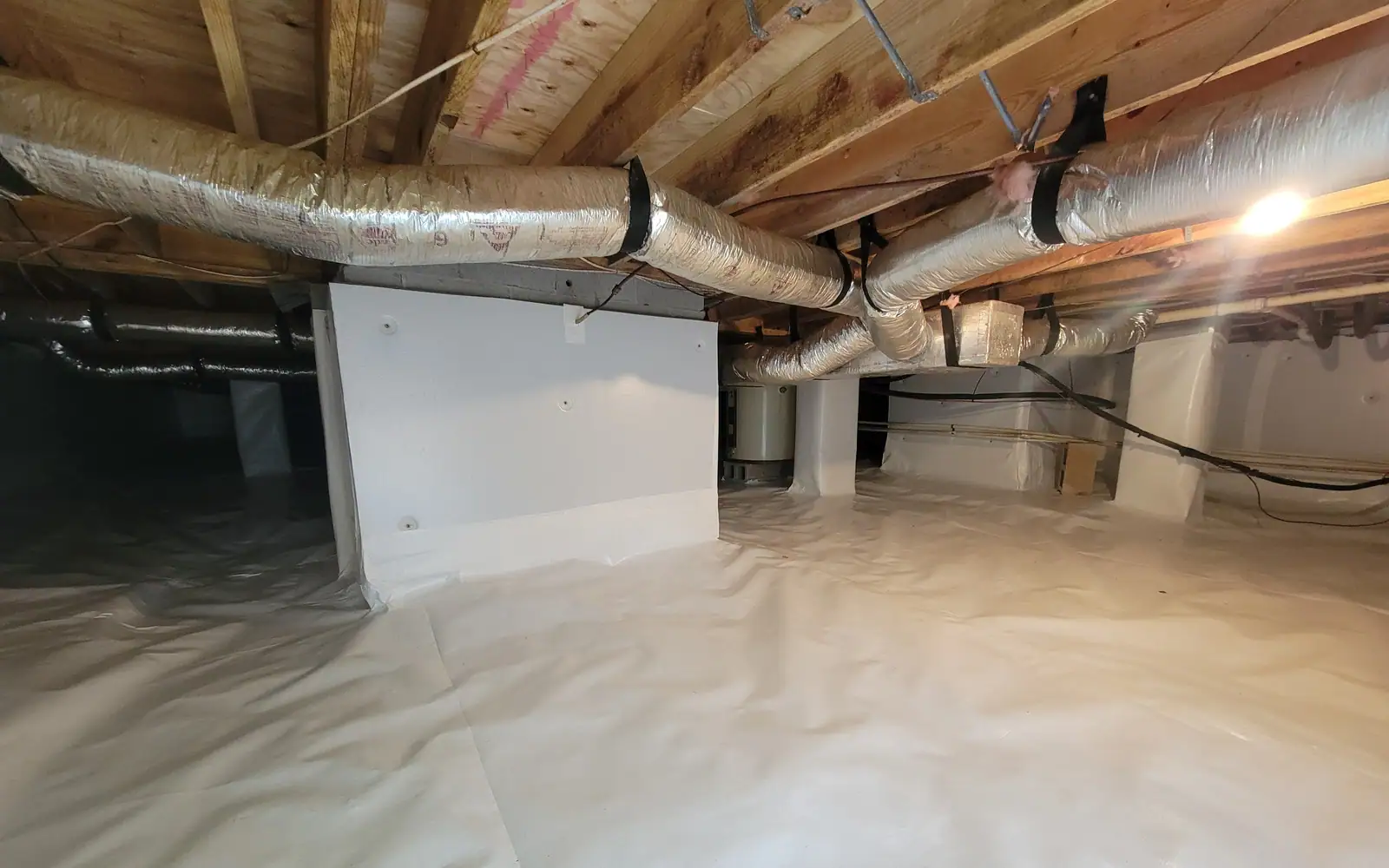
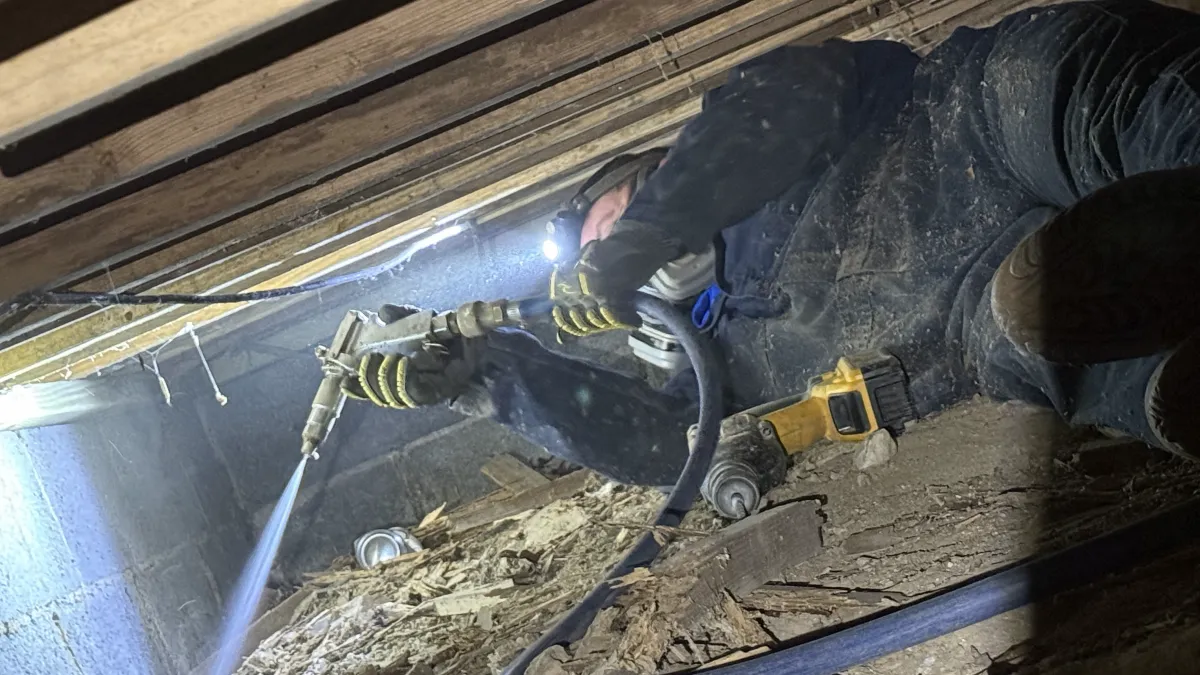
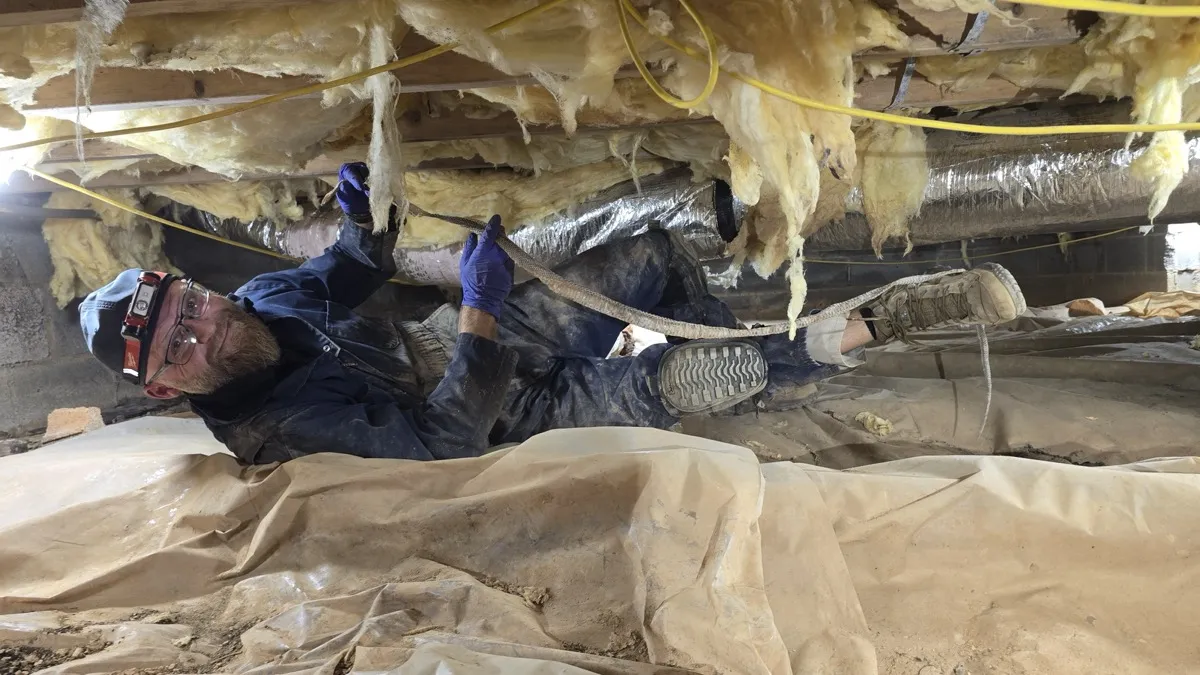
Encapsulation seals a crawl space off from the ground and the outside air. A heavy vapor barrier is run across the soil and up the foundation walls and piers, vents are sealed, and humidity is managed mechanically instead of by ventilation. In a humid climate like ours the traditional approach of venting a crawl space frequently makes the problem worse: warm, moist summer air enters through the vents, meets cooler surfaces underneath the house, and condenses on joists, ducts and insulation. Encapsulation ends that cycle. The result is drier framing, less mold and rot risk, fewer pests drawn to damp conditions, and a home that is easier and cheaper to condition because the air being drawn up through the floor is no longer damp.
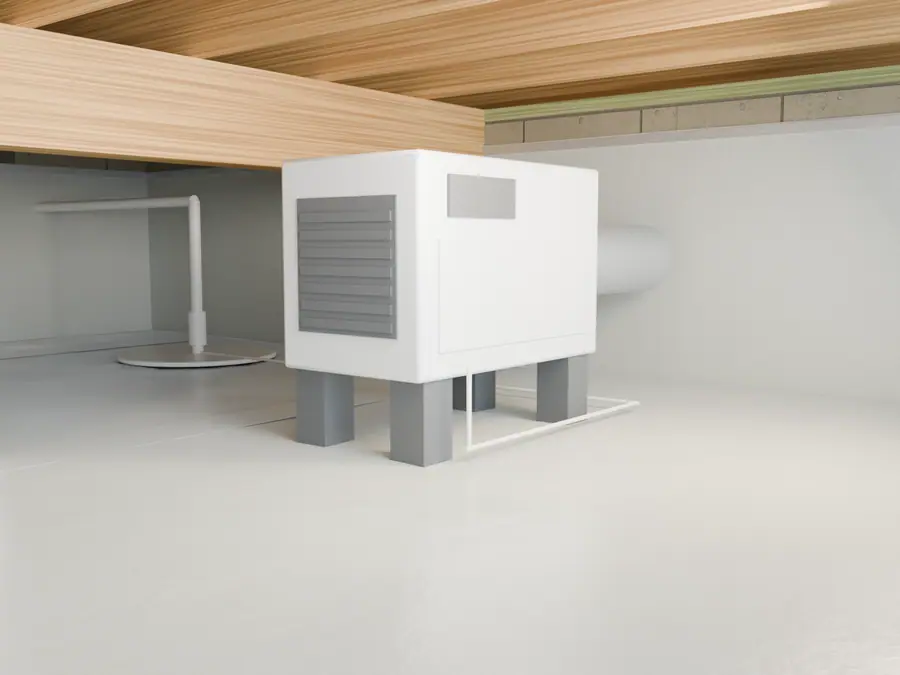
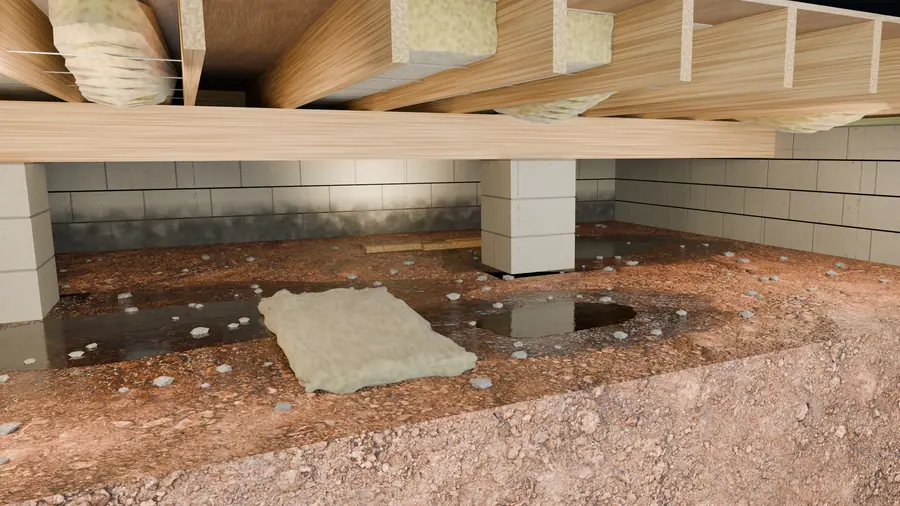
A full encapsulation runs in a set order, because each step depends on the one before it. We start with the structure, assessing the floor joists, the sill plate, the band board and the girders, because moisture damaged wood has to be repaired or sistered before anything gets sealed over it. Where water is actively entering the space, a drain system and sump pump go in at that stage, since a barrier laid over standing water hides a problem rather than solving it. Then the foundation walls are insulated, a 20 mil vapor barrier is laid across the soil and run up the walls and piers, the vents are sealed, and a new crawl space door is built so the access closes properly. The last step is a dehumidifier sized at 70 pints per day per 1,000 square feet, which is what holds the space stable once the ventilation is gone by design.
Not sure which crawl space problem you're facing?
Pick the symptom that best fits. We'll tell you what it likely means and where to go next.
Common Signs of Crawl Space Problems
Most crawl space problems start as small symptoms. Catching them early is the difference between a small, planned fix and a major reconstruction. These are the warning signs we see most often.
Crawl Space Inspection and Repair Options
Every service and method below is matched to what the inspection finds. Read how one works and when it is the right call before you commit to it.
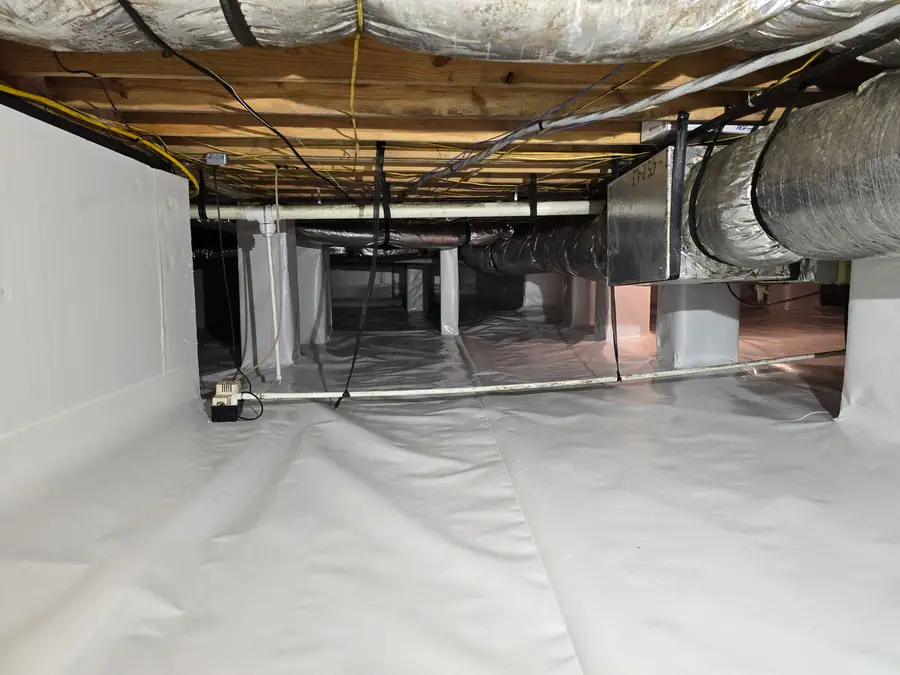
Vapor Barrier Installation
A sealed barrier across the soil and up the walls that stops ground moisture at the source.
Learn more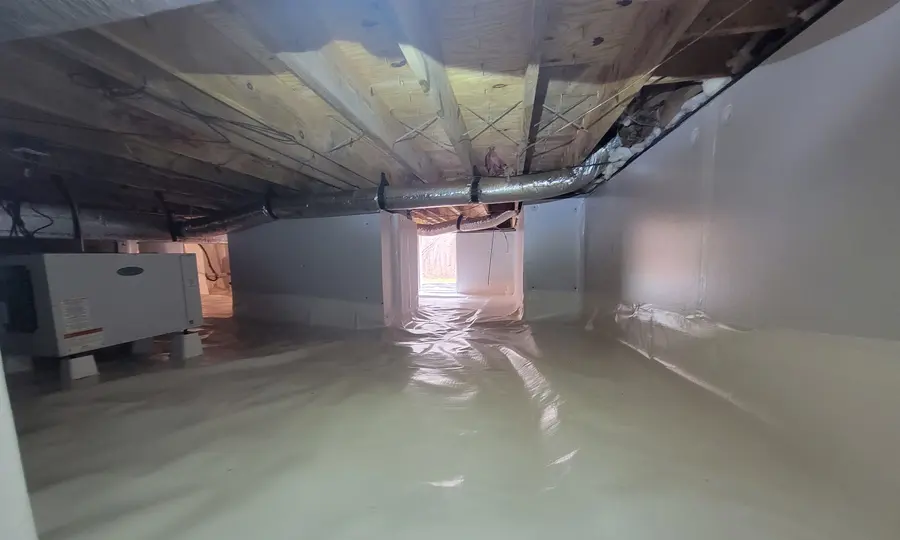
Dehumidifier Installation
Mechanical humidity control sized for the space, so a sealed crawl space stays dry.
Learn more
Crawl Space Vent Sealing
Closing the vents that pull humid summer air into a cool crawl space.
Learn more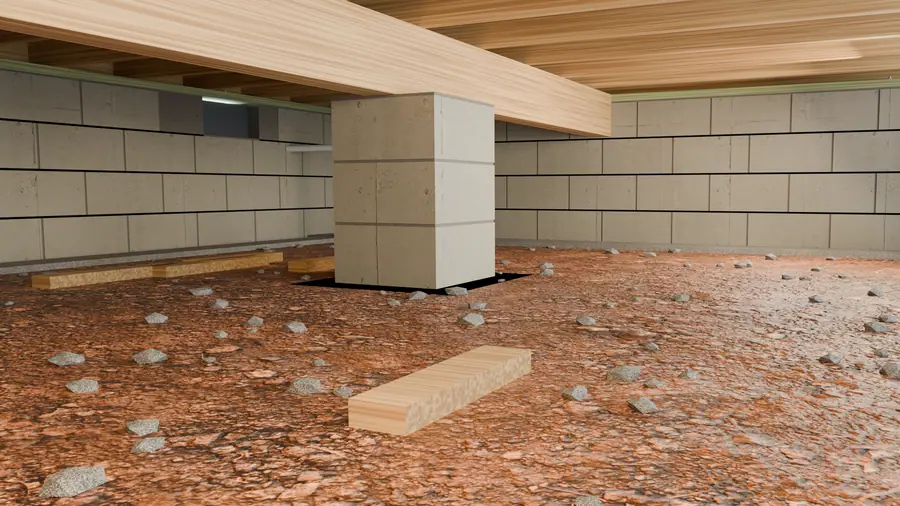
Crawl Space Drainage System Installation
A French drain routed to a sump pump, installed before the vapor barrier goes down when water enters the space.
Learn more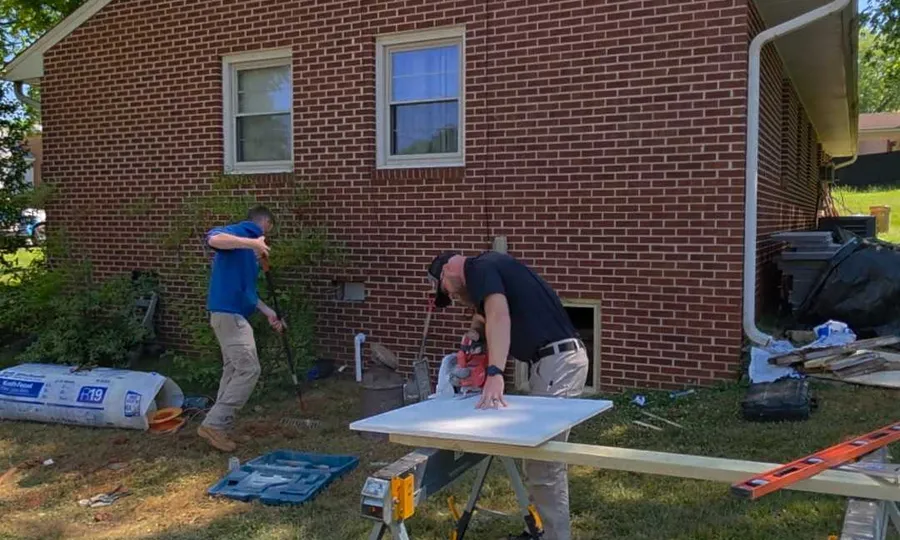
Foundation Wall Insulation Board
R 10 insulation board on the foundation walls, installed as one step in the encapsulation sequence.
Learn more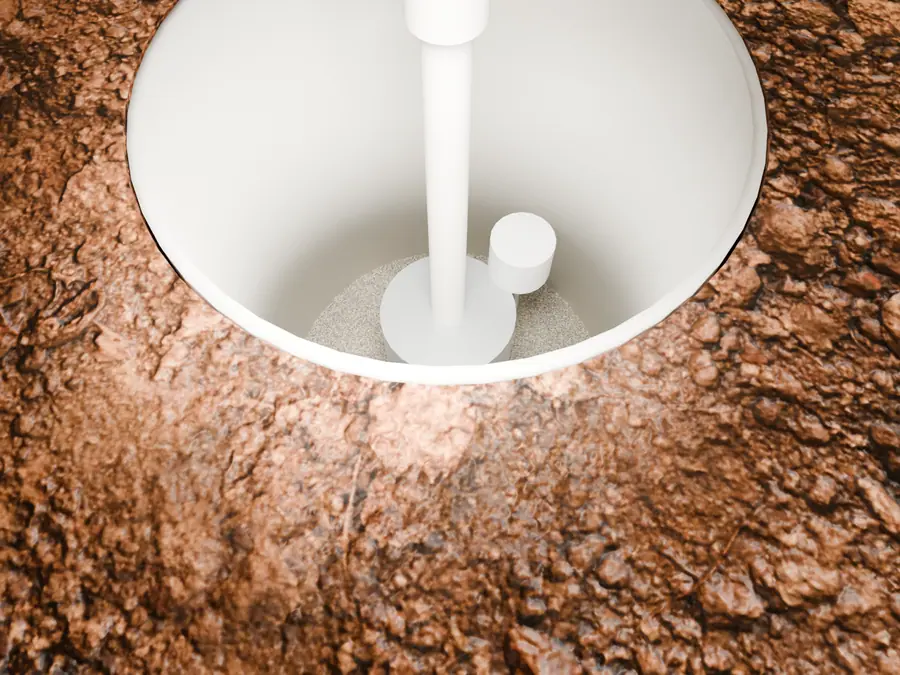
Crawl Space Sump Pump With Battery Backup
A drain and sump pump collect the water that reaches the crawl space and move it out before the barrier goes down.
Learn moreIllustrated guide
How Crawl Space Encapsulation Work Fits Together
These illustrations show the systems and repairs described on this page. They are diagrams, not photographs of a particular job.
-
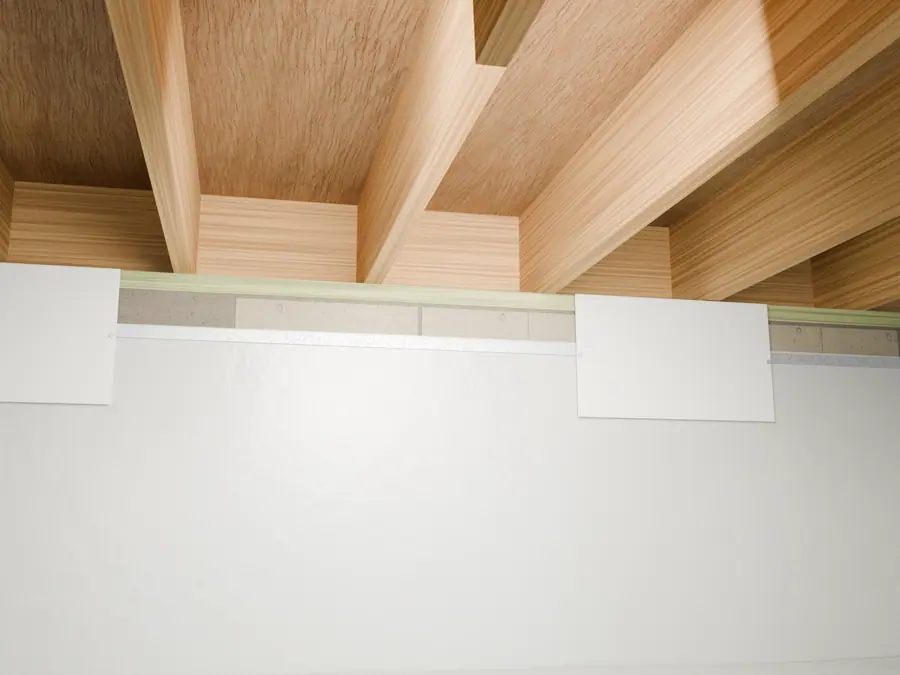
IllustrationCrawl space liner terminating below a termite inspection -
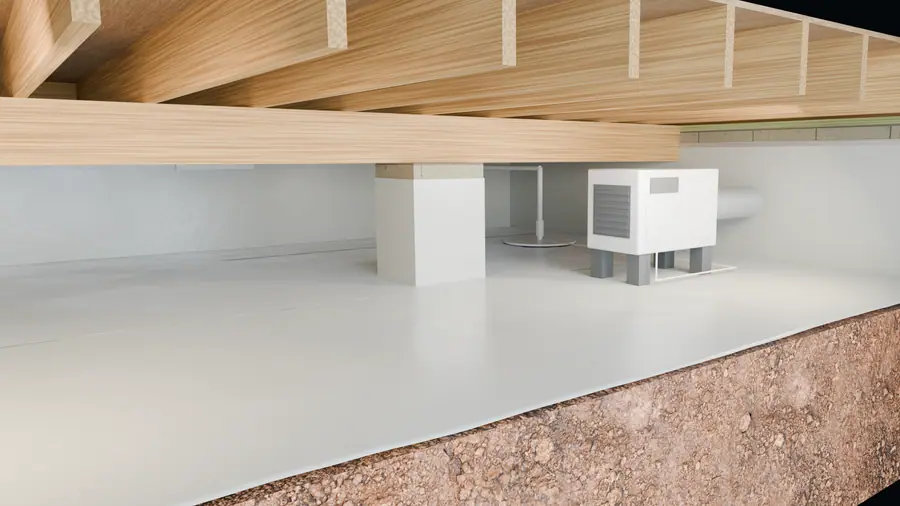
IllustrationA dehumidifier on risers -
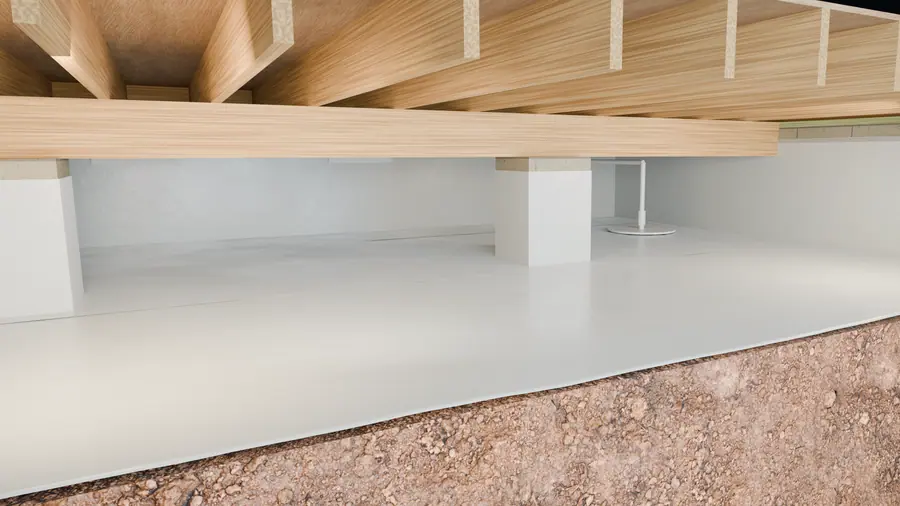
IllustrationA vapor encapsulation liner over a crawl space floor -
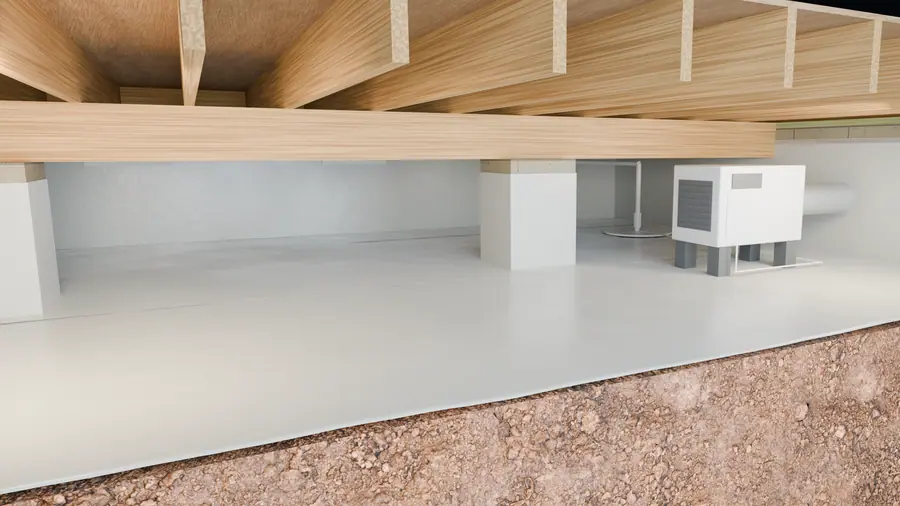
IllustrationA sealed crawl space: liner -
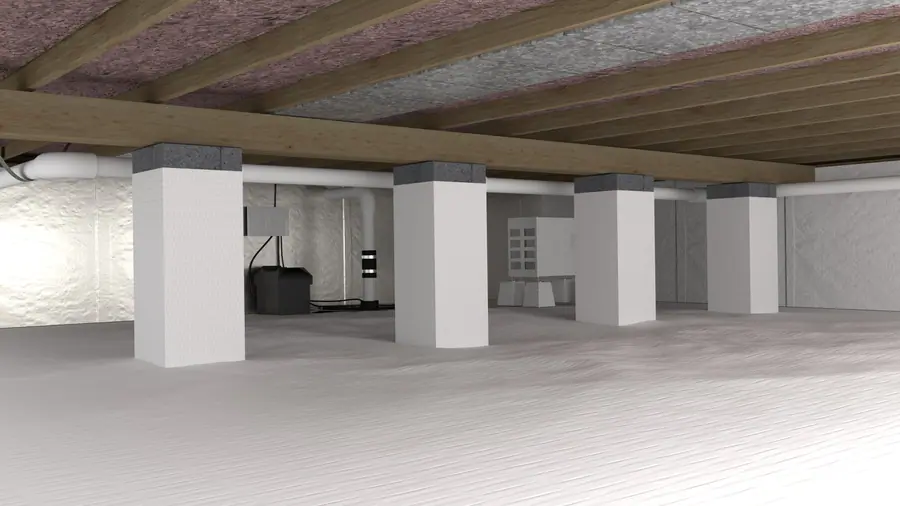
IllustrationSealed crawl space -
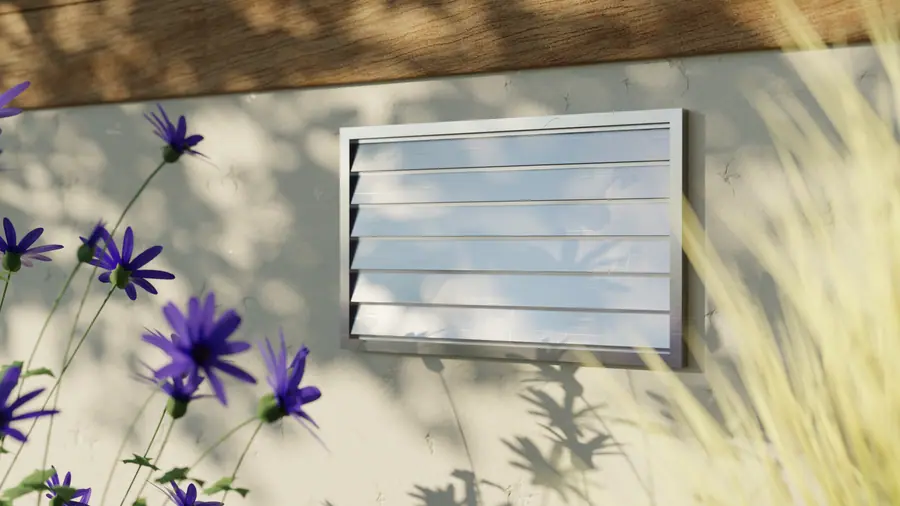
IllustrationLouvered foundation vent on an exterior crawl space wall -
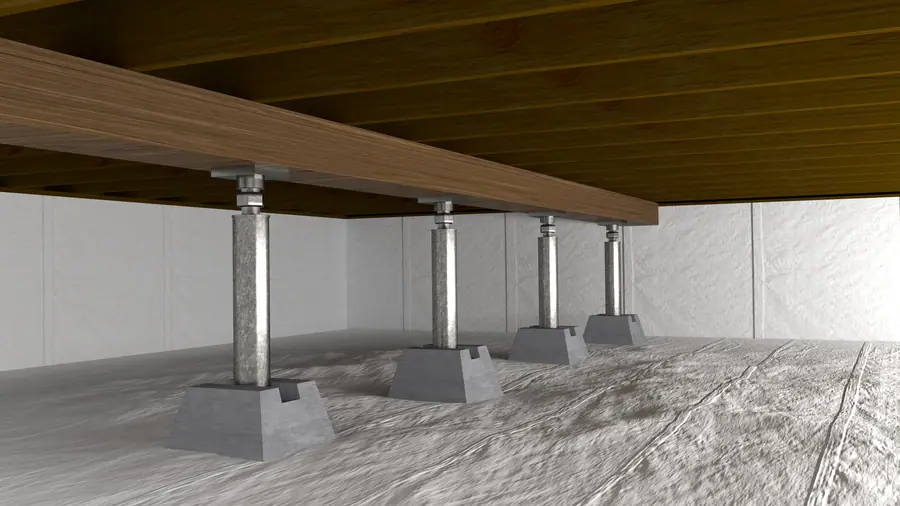
IllustrationSealed crawl space
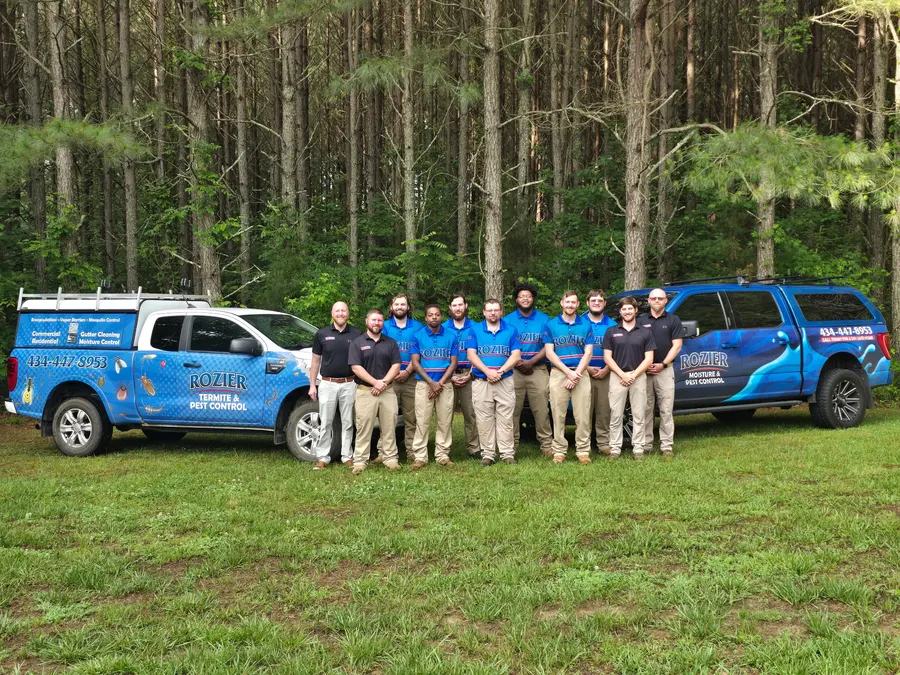
A Local, Family Owned Team in South Hill
Rozier is a family owned, faith-driven company based in South Hill. Because moisture is what invites termites and rodents in the first place, real prevention starts below the surface.
We treat the infestation and correct the moisture conditions that caused it, instead of handing you to a second contractor.
Each home we visit is assessed through a pest lens and a moisture lens, because underneath a house they are the same problem.
We do not arrive with a predetermined treatment and a timer running. What we propose follows from what we find.
Children, pets and sensitive family members are part of the decision about what gets used and how it is applied.
Answers to Common Questions About Crawl Space Encapsulation
Don't see your question here? Our team is happy to help. Reach out anytime.
Proudly Serving Southern Virginia and Northern North Carolina
Rooted in South Hill, we work across both states with the responsiveness of a local team. If your town is not listed, call us. There is a good chance we are already there.
Protection in Three Straightforward Steps
No confusing plans and no pressure. Here is exactly how we get your home protected.
Call for a free estimate.
One quick call and we schedule a visit at a time that suits you, at no cost and with no obligation to go ahead.
Get a plan built for your home.
We inspect above and below the surface, explain plainly what we found, and recommend only what your property actually needs.
We handle the work.
Our team carries out the treatment or the repair, and tells you what to expect afterwards and when we will be back.
Read What Our Neighbors Say
Verified Google reviews from homeowners throughout southern Virginia and northern North Carolina.
Expert Guidance on Protecting Your Home
Practical articles from the Rozier team on foundation health, waterproofing, and home preservation.
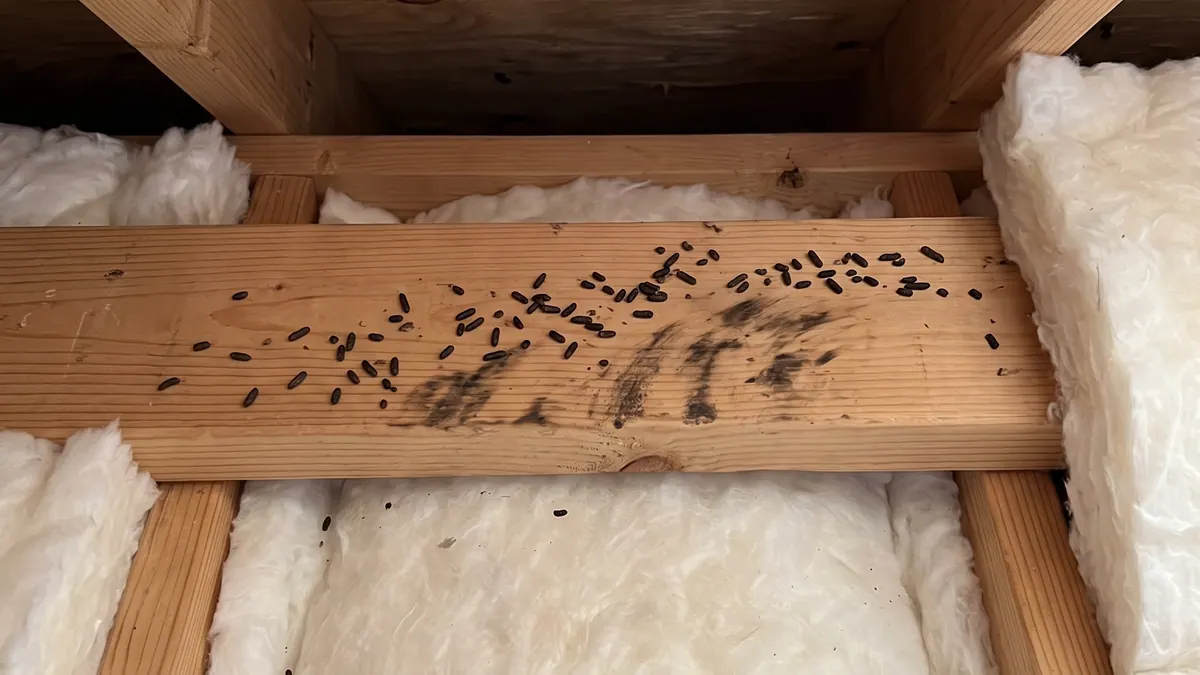 Pest ControlFeatured
5 Tips to Avoid a Rodent Infestation
Five practical steps to keep mice and rats out: seal entry gaps, trim back vegetation, store food securely, manage trash, and dry standing water.
 Termites
Are Termites Active in Winter?
Termites usually stay active through winter. What cold weather changes, why a heated house matters, and which signs you can still check for in the colder months.
 Pest Control
How Do Mice Get in Your House?
Mice usually get in through small gaps around pipes, wires, vents, doors and the foundation. Where they enter, why fall brings them in, and how to find the gaps.