An Insulated Door for Your Crawl Space
The last opening into a sealed crawl space, built to close tight.
What an Insulated Crawl Space Door Is and When It Is the Right Call
Why does the door matter so much? A sealed crawl space works by controlling what gets in. The vapor barrier stops moisture from the ground, the sealed vents and insulated walls stop outside air, and the dehumidifier handles what is left. An access door that does not seal lets humid summer air, rain splash, insects and rodents straight back in, and it does so at the lowest point of the wall where the air is coolest and condenses most readily. The dehumidifier then runs harder to remove moisture that should never have entered.
When is a new door the right call, and when is it not? It is part of encapsulation, and we build one on every encapsulation job. It is also a sensible repair on its own when an existing door has rotted, fallen off or lets in animals, as long as you understand that a good door over a vented, uncovered crawl space will not change the humidity under your house. The door closes an opening. It does not dry the space.
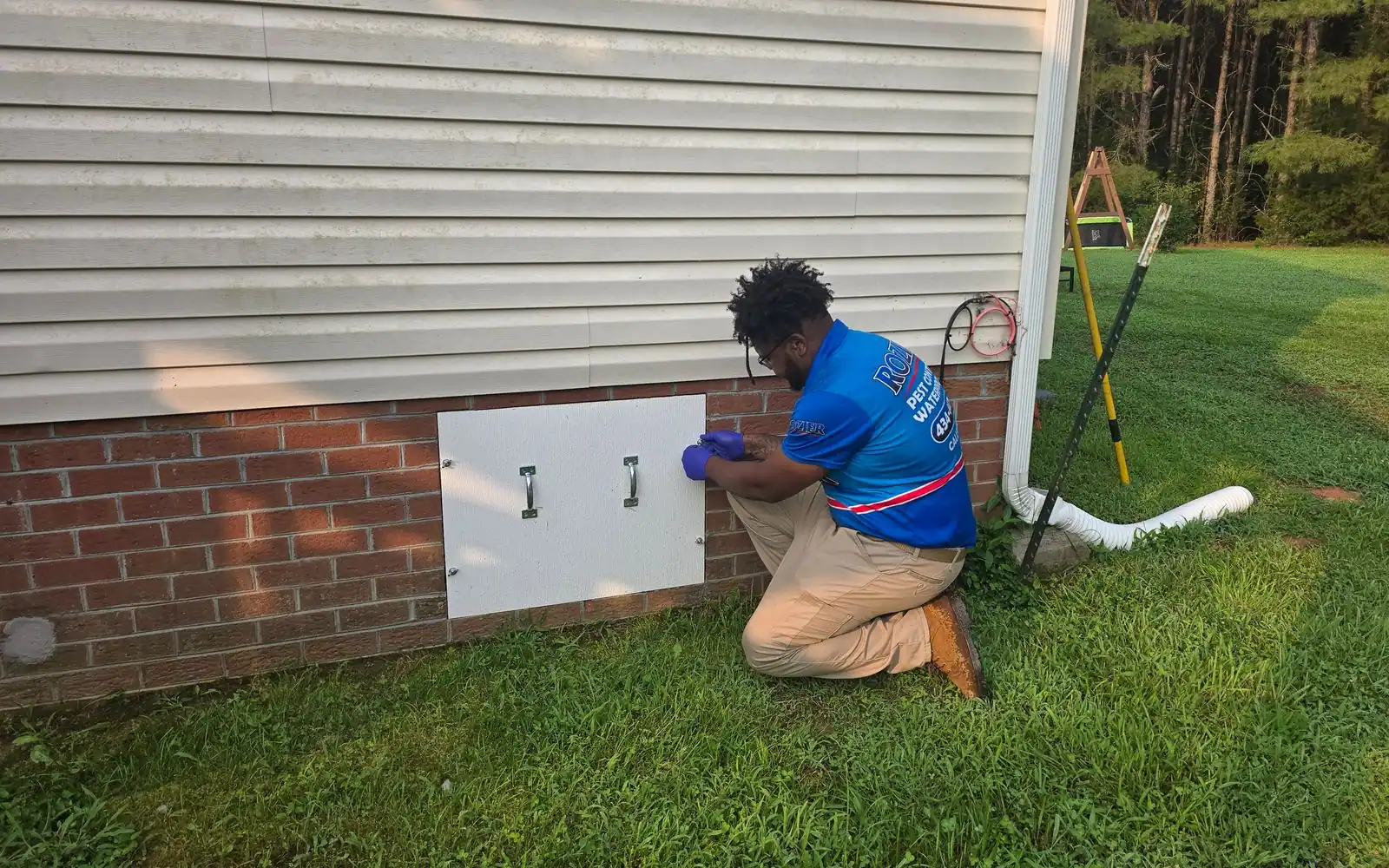
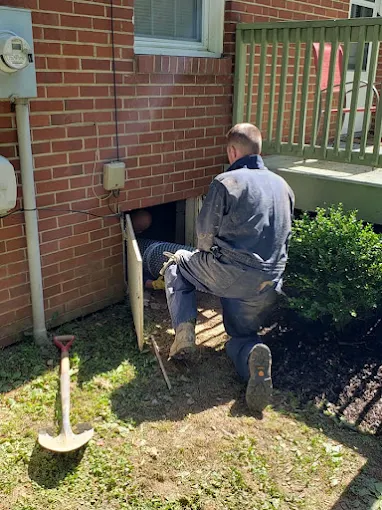
The door itself is built on site to fit the opening. A frame is set into the masonry and sealed to it, an insulated panel is built or cut to fit the frame, weatherstrip gasket is fitted around the edge so the panel compresses against it when closed, and a latch holds it shut. Where the opening sits low or collects water, we build the frame so the door sits above where water pools. Materials are chosen to hold up in a damp location rather than to look like an interior door.
What should you expect? A door you can open when access is needed and that closes tight the rest of the time. It is checked as part of the encapsulation walk through along with the vents and the barrier seams. Expect to open it occasionally to check the dehumidifier and sump, and expect to be told if the opening itself is too small for safe access, since that comes up on older houses.
How We Install an Insulated Crawl Space Door
Measure and check the opening
We measure the existing access opening and check the masonry around it for loose block, gaps and signs of water pooling at the bottom. Any masonry repair is done before the frame goes in.
Set and seal the frame
A frame built to suit the location is anchored into the opening and the joint between frame and masonry is sealed. This is the joint where old doors usually leak air, so it gets as much attention as the door itself.
Build the insulated panel
The door panel is built with a rigid insulated core and faces that hold up to damp conditions, cut to fit the frame closely. Its insulation matches the R 10 board on the foundation walls so the door is not a cold spot in the wall.
Fit the gasket and latch
Compressible gasket is fitted around the frame or panel edge so the door presses against it when closed, and a latch holds it tight. We check the seal all the way around with the door closed.
Test as part of the sealed system
The door is checked with the sealed vents and barrier during the final walk through. Once the dehumidifier is running, the crawl space should hold its humidity with the door closed, and that is the real test of the seal.
A Local, Family Owned Team in South Hill
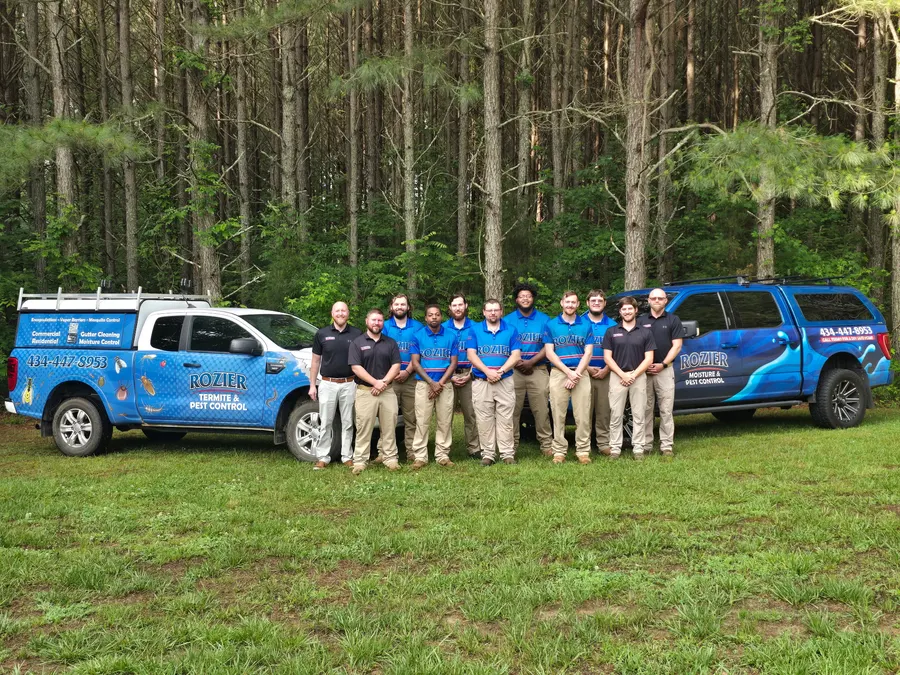
Rozier is a family owned, faith-driven company based in South Hill. Because moisture is what invites termites and rodents in the first place, real prevention starts below the surface.
We treat the infestation and correct the moisture conditions that caused it, instead of handing you to a second contractor.
Each home we visit is assessed through a pest lens and a moisture lens, because underneath a house they are the same problem.
We do not arrive with a predetermined treatment and a timer running. What we propose follows from what we find.
Children, pets and sensitive family members are part of the decision about what gets used and how it is applied.
Answers to Common Questions About Insulated Crawl Space Door
Don't see your question here? Our team is happy to help. Reach out anytime.
Common Signs of Crawl Space Problems
These are some of the warning signs that can lead to a crawl space inspection. The right repair depends on what the inspection finds.
Other Crawl Space Repair Solutions We Use
Each method is matched to what the inspection finds at your property. These are the others we use for the same kind of problem.
Controlling Crawl Space Moisture
Water first, then vapor, then air. Each step only works once the one before it is done.
Learn more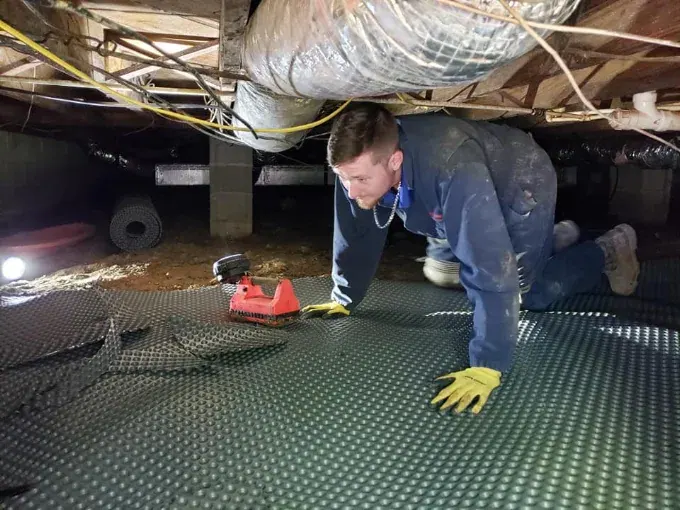
Crawl Space Drainage System
French drain material along the footing, sloped to a sump pump, so water has somewhere to go.
Learn more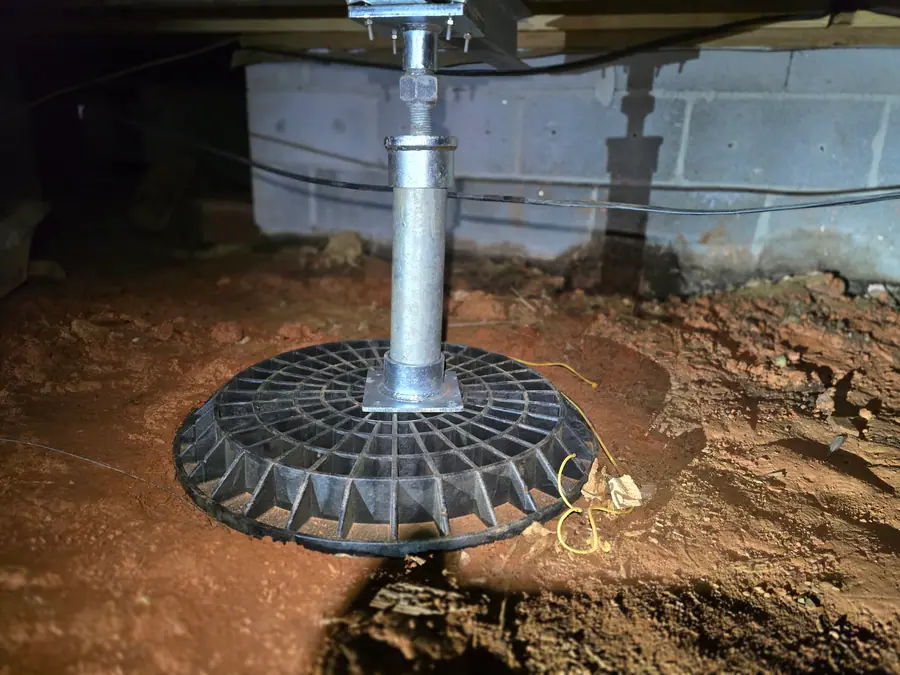
Adjustable Steel Support Jacks
Steel posts on proper footings that carry a beam or girder where the framing spans too far.
Learn more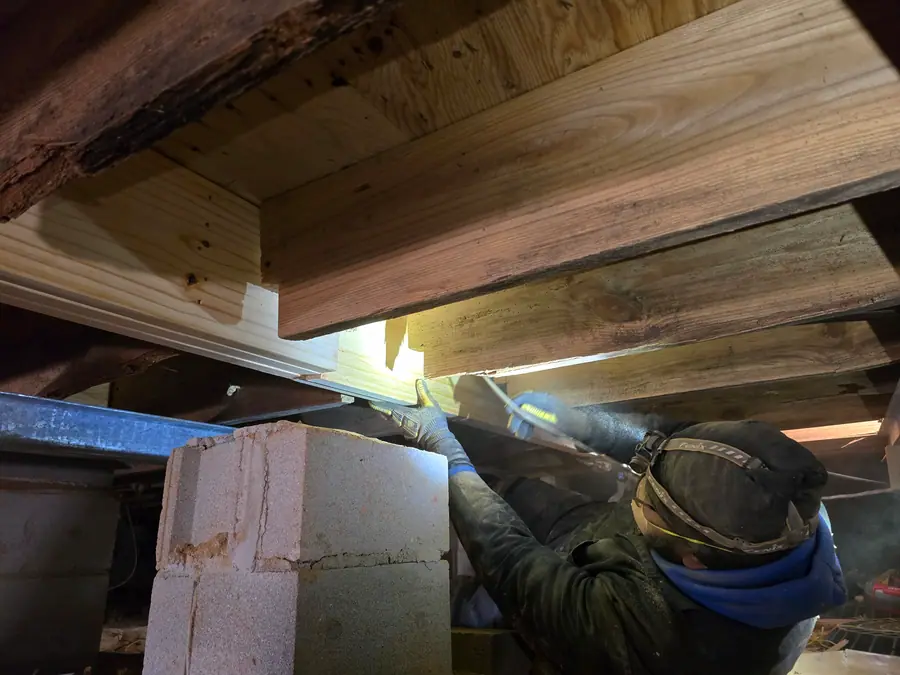
Girder and Beam Replacement
Renewing the main beam that carries your floor joists to the piers.
Learn more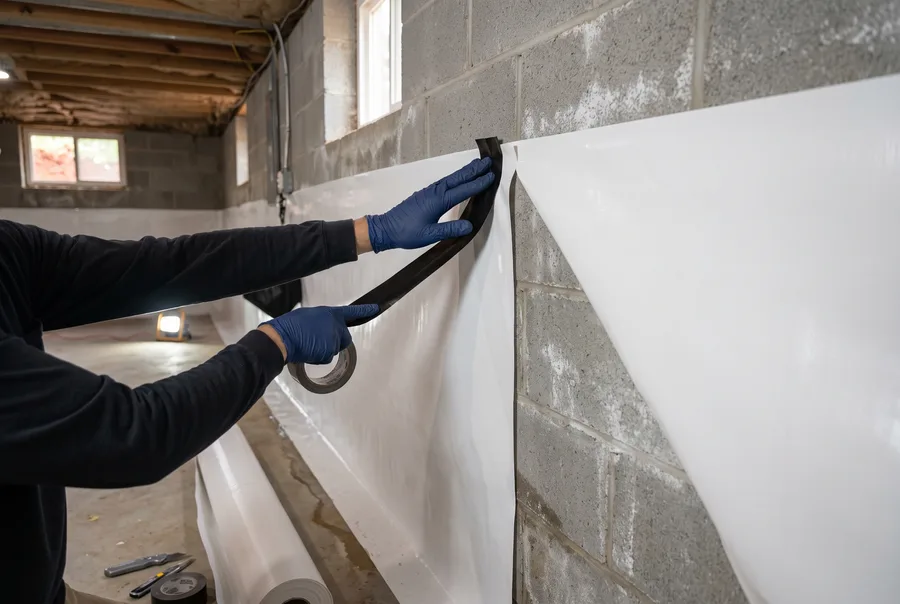
Reducing Pests in the Crawl Space
Fewer ways in, less to eat and drink, and treatment for what is already there.
Learn more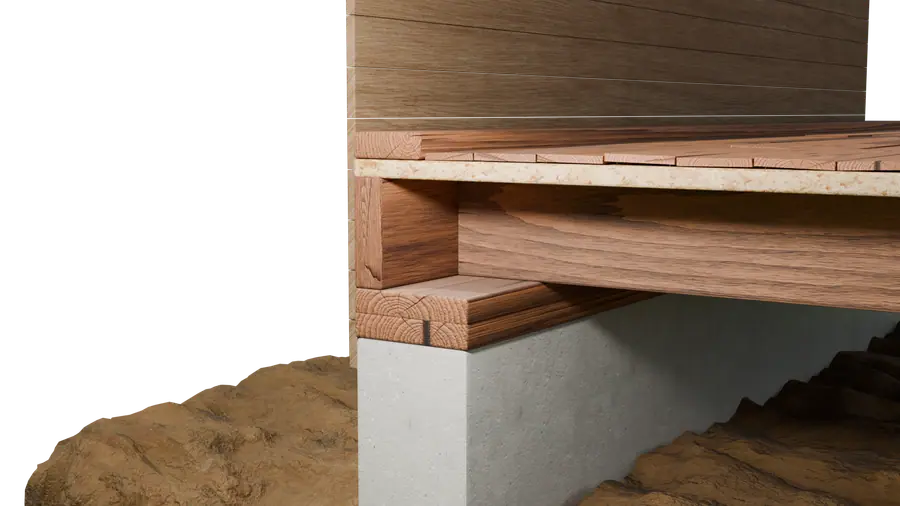
Sill Plate and Band Board Replacement
Renewing the wood where the floor system meets the foundation wall.
Learn moreProudly Serving Southern Virginia and Northern North Carolina
Rooted in South Hill, we work across both states with the responsiveness of a local team. If your town is not listed, call us. There is a good chance we are already there.
Protection in Three Straightforward Steps
No confusing plans and no pressure. Here is exactly how we get your home protected.
Call for a free estimate.
One quick call and we schedule a visit at a time that suits you, at no cost and with no obligation to go ahead.
Get a plan built for your home.
We inspect above and below the surface, explain plainly what we found, and recommend only what your property actually needs.
We handle the work.
Our team carries out the treatment or the repair, and tells you what to expect afterwards and when we will be back.
Read What Our Neighbors Say
Verified Google reviews from homeowners throughout southern Virginia and northern North Carolina.
Expert Guidance on Protecting Your Home
Practical articles from the Rozier team on foundation health, waterproofing, and home preservation.
 Pest ControlFeatured
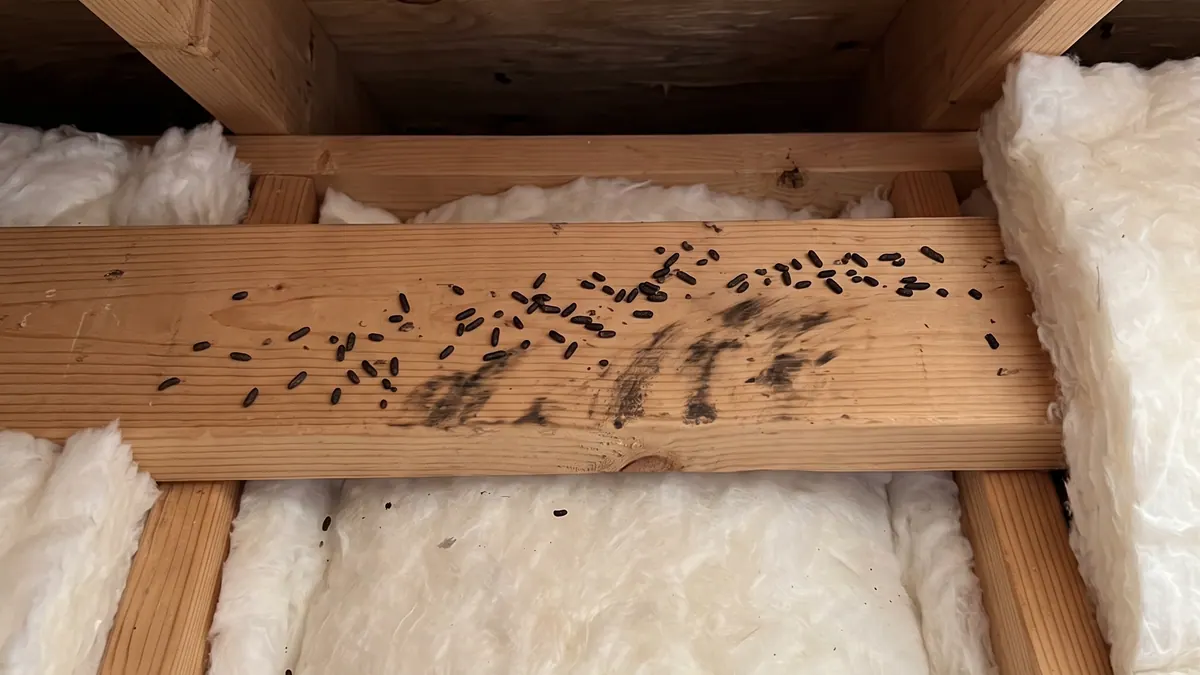
5 Tips to Avoid a Rodent Infestation
Five practical steps to keep mice and rats out: seal entry gaps, trim back vegetation, store food securely, manage trash, and dry standing water.
 Pest Control
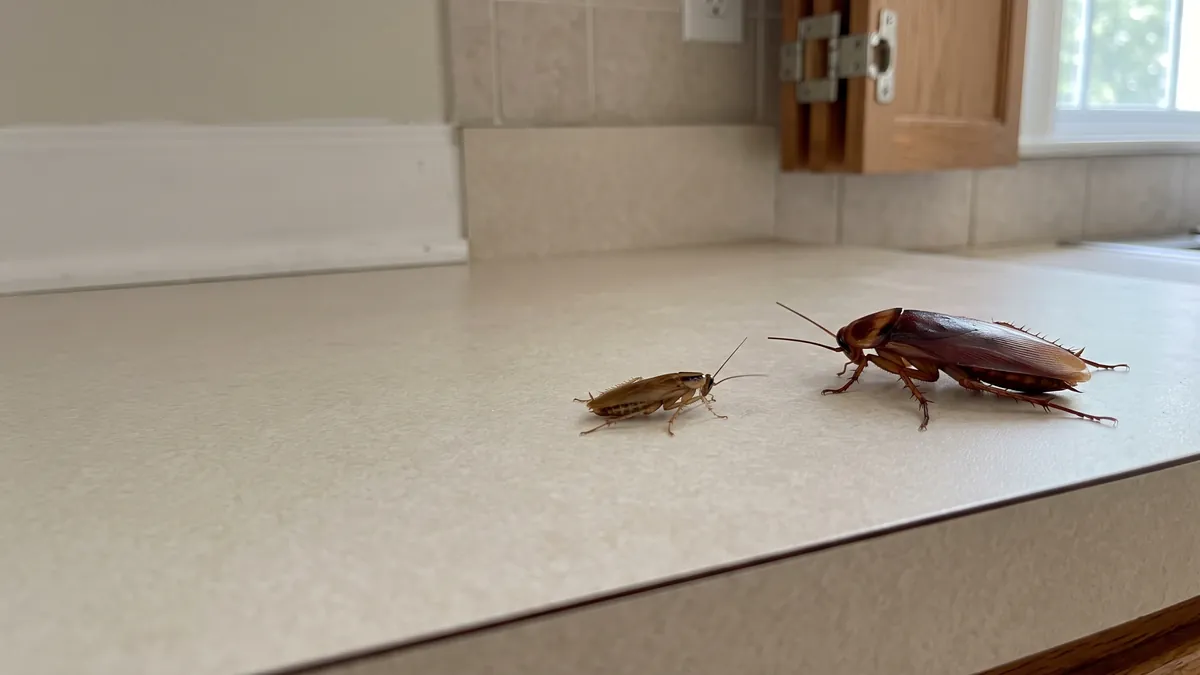
How to Get Rid of German Cockroaches
German cockroaches live indoors all year and hide in kitchen and bathroom gaps, so sprays often miss them. What usually works, and what usually does not.
 Basement Waterproofing
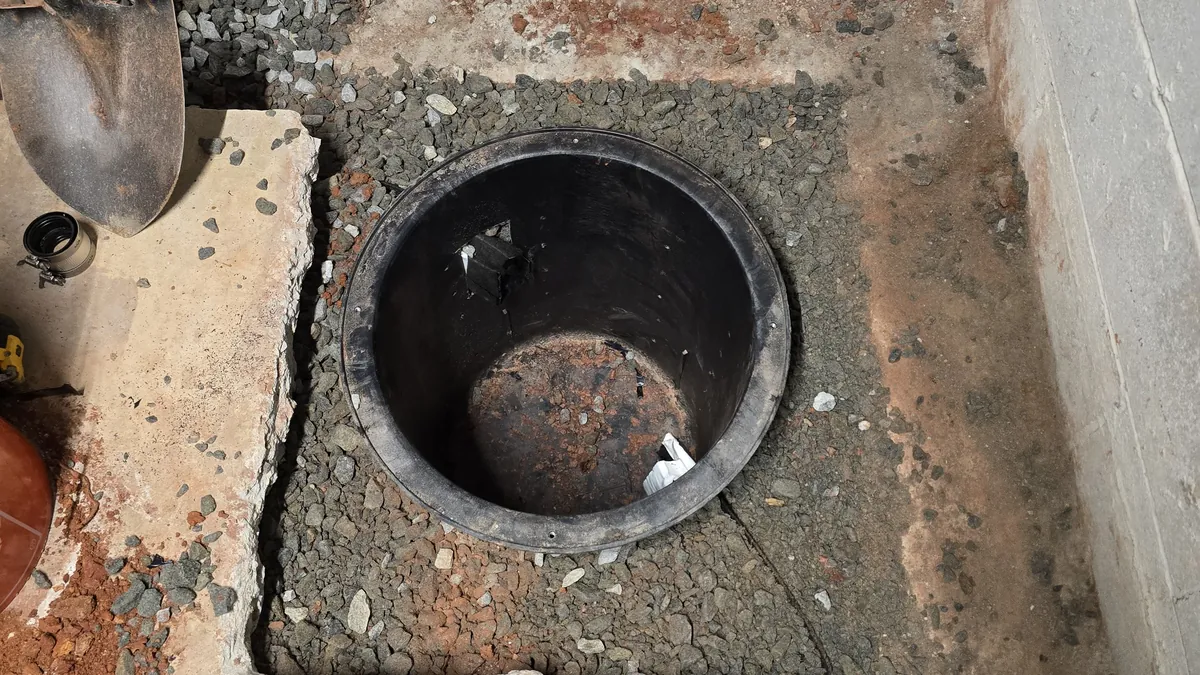
What Is a Sump Pump and How Does It Work?
A sump pump sits in a pit below the basement floor and pumps rising groundwater away from the house. How it works, the main types, and signs it may need attention.