Ant Control: Solutions and Next Steps
Each one is matched to what is actually causing the problem at your property, not to a standard package.
How We Choose an Ant Control Method
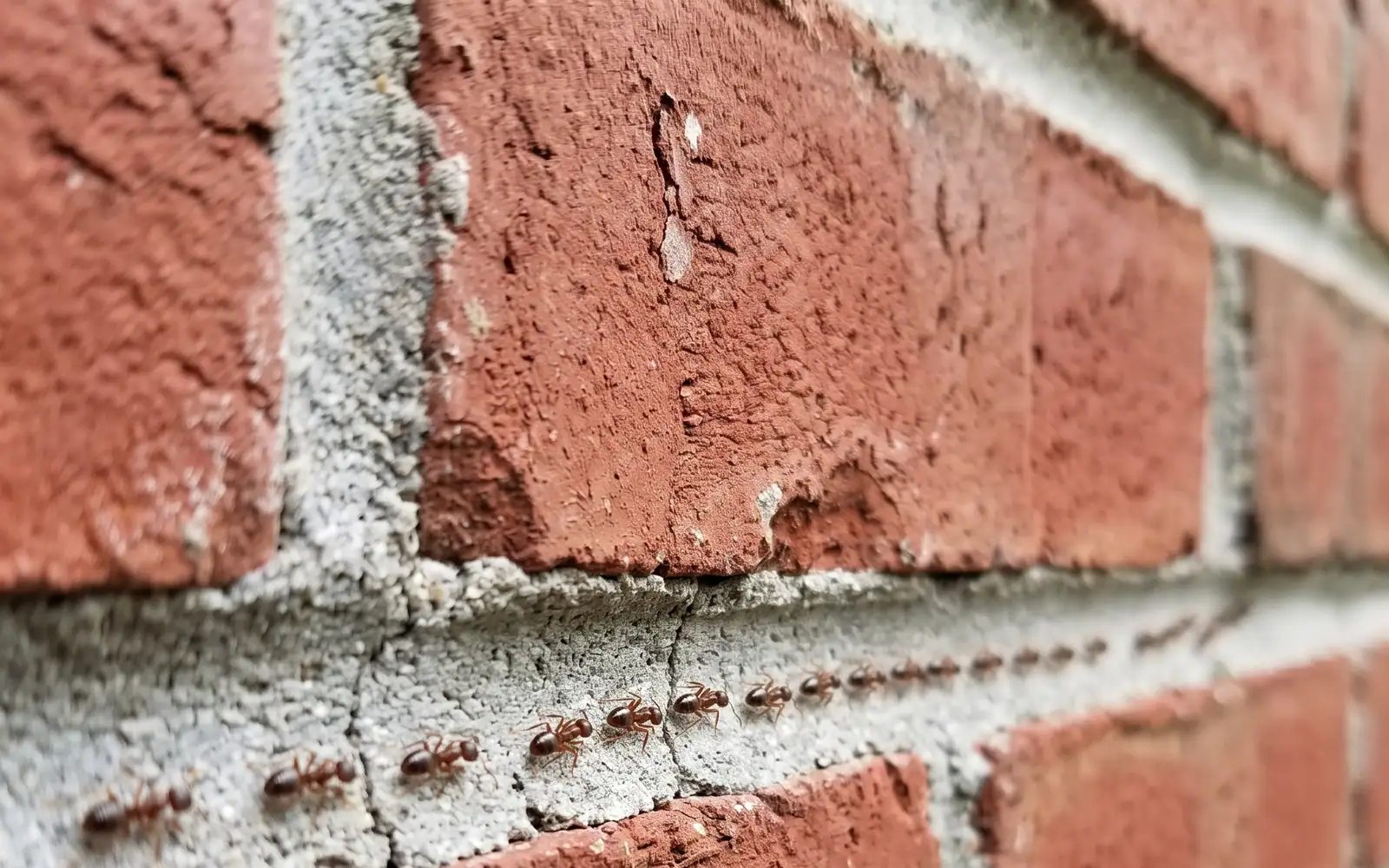
Ant work divides on one question: does the treatment need to reach the colony, or does it need to stop the trail. Baiting and non repellent liquids are colony methods. The ants carry the material back, and the treatment works on insects a technician never sees. Perimeter power spraying and void injection are placement methods, aimed at where the ants are traveling or nesting right now. Fire ant mound treatment is its own case, because the nest location is not in question.
The order of treatment matters. A repellent product applied over a colony that is being baited can split it, which can mean more trails rather than fewer. That is why the inspection traces the trail to its entry before anything is applied, and why the species matters: what works on an odorous house ant is not what works on a carpenter ant in a wet sill.
This page does not cover the moisture that drew carpenter ants to soft wood in the first place. That is crawl space work, and it is on our crawl space pages.
Every Ant Control Method We Use
Click any method to see how it works and the steps involved.
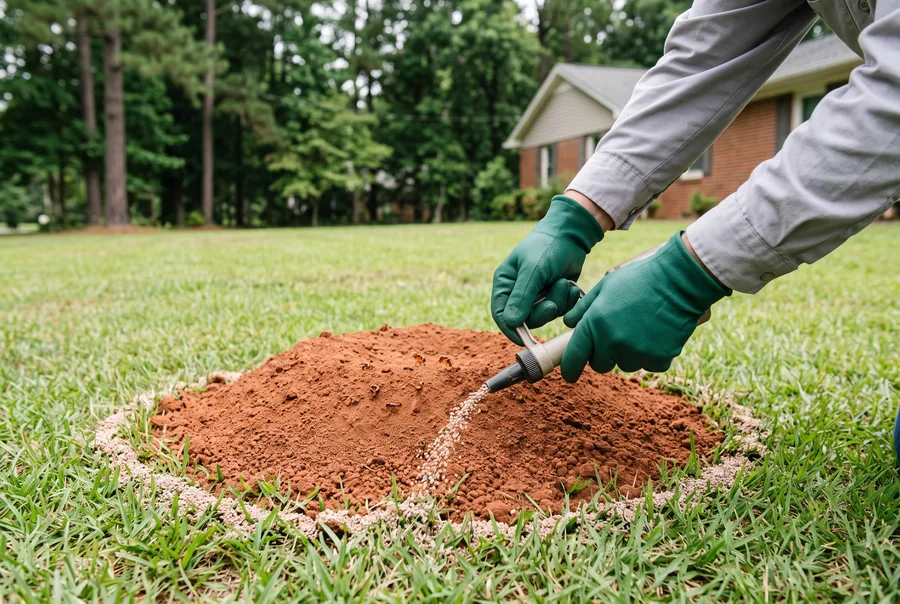
Fire Ant Mound Treatment
Treat the mounds you can see, or the whole lawn when the colonies are everywhere.
Learn more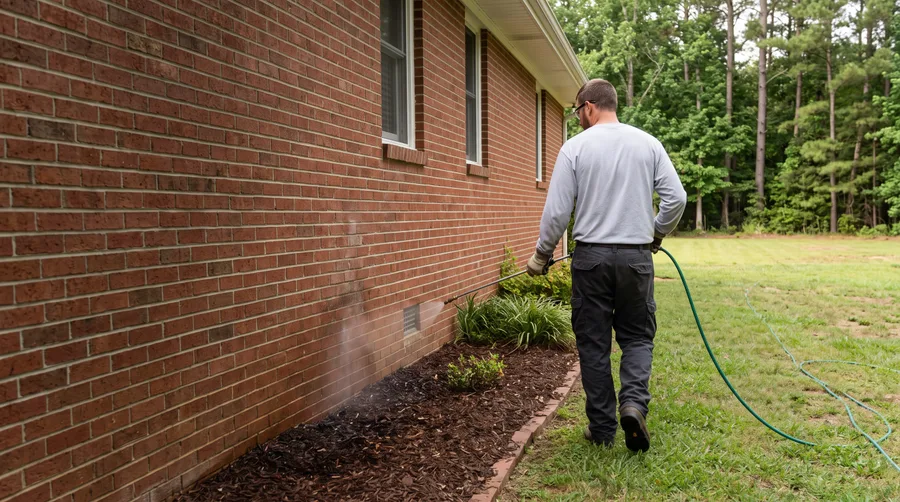
Non Repellent Liquid Barriers
A treated zone the ants cannot detect, so they walk through it and carry it home.
Learn more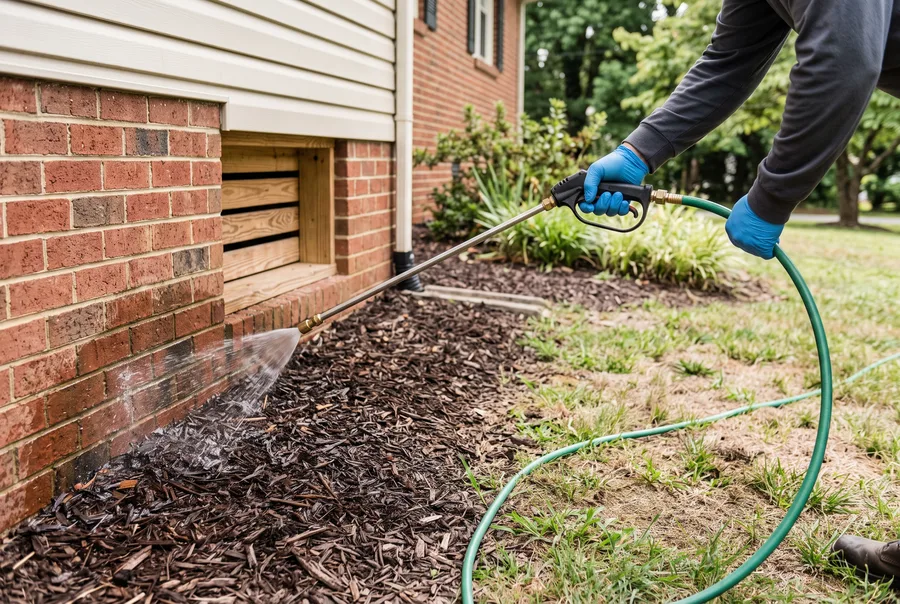
Perimeter Power Spraying for Ants
A residual band around the house that ants have to cross to get in.
Learn more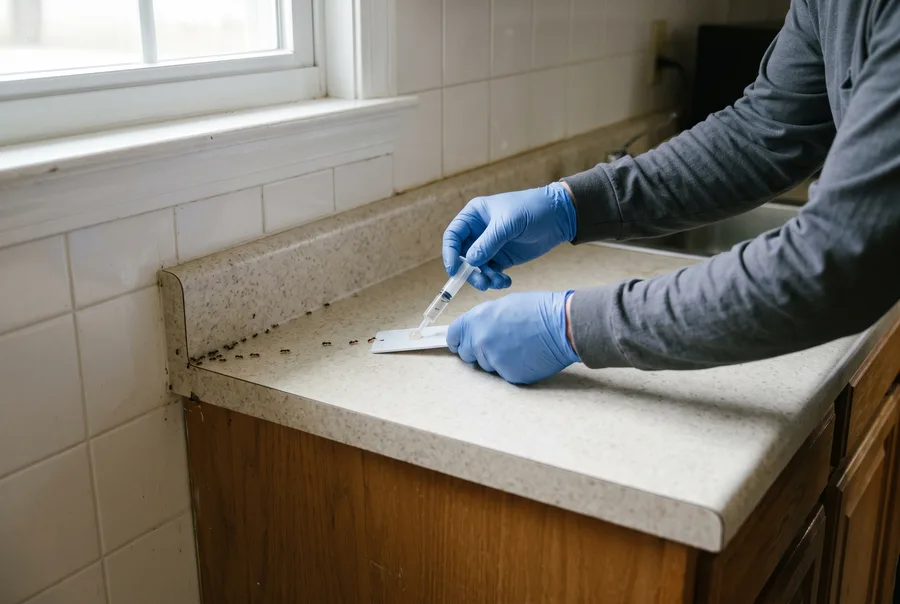
Targeted Ant Baiting
Workers carry the bait home and share it, so the colony is treated where it lives.
Learn more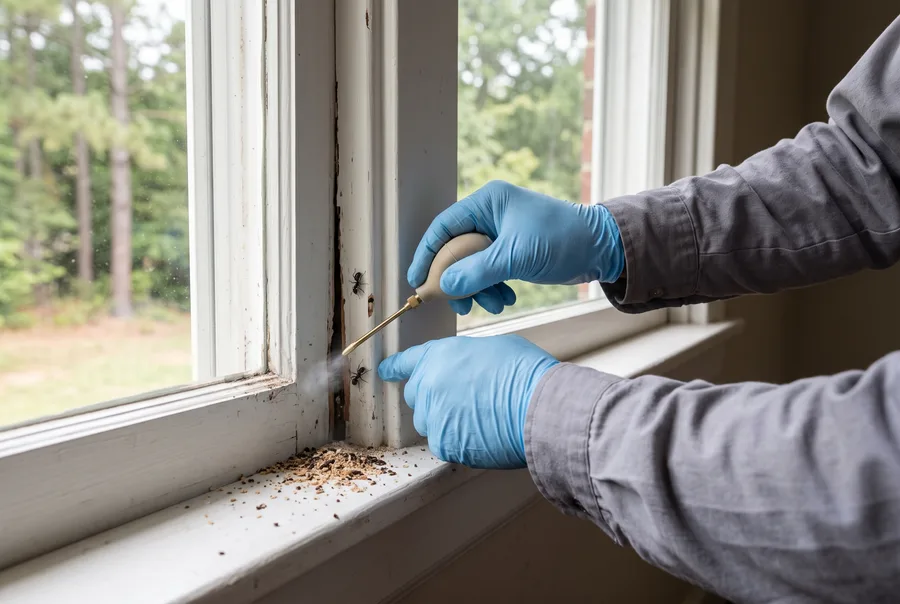
Void Injection for Nests in Walls
When the colony lives in the wall, the treatment goes into the wall.
Learn moreA Local, Family Owned Team in South Hill
Rozier is a family owned, faith-driven company based in South Hill. Because moisture is what invites termites and rodents in the first place, real prevention starts below the surface.
We treat the infestation and correct the moisture conditions that caused it, instead of handing you to a second contractor.
Each home we visit is assessed through a pest lens and a moisture lens, because underneath a house they are the same problem.
We do not arrive with a predetermined treatment and a timer running. What we propose follows from what we find.
Children, pets and sensitive family members are part of the decision about what gets used and how it is applied.
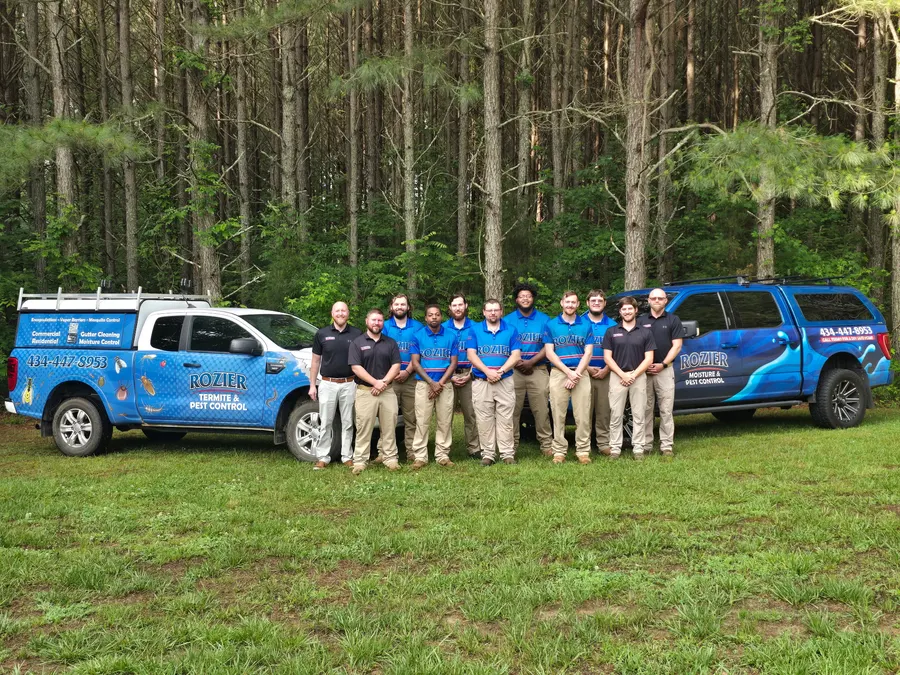
Proudly Serving Southern Virginia and Northern North Carolina
Rooted in South Hill, we work across both states with the responsiveness of a local team. If your town is not listed, call us. There is a good chance we are already there.
Protection in Three Straightforward Steps
No confusing plans and no pressure. Here is exactly how we get your home protected.
Call for a free estimate.
One quick call and we schedule a visit at a time that suits you, at no cost and with no obligation to go ahead.
Get a plan built for your home.
We inspect above and below the surface, explain plainly what we found, and recommend only what your property actually needs.
We handle the work.
Our team carries out the treatment or the repair, and tells you what to expect afterwards and when we will be back.
Read What Our Neighbors Say
Verified Google reviews from homeowners throughout southern Virginia and northern North Carolina.
Expert Guidance on Protecting Your Home
Practical articles from the Rozier team on foundation health, waterproofing, and home preservation.
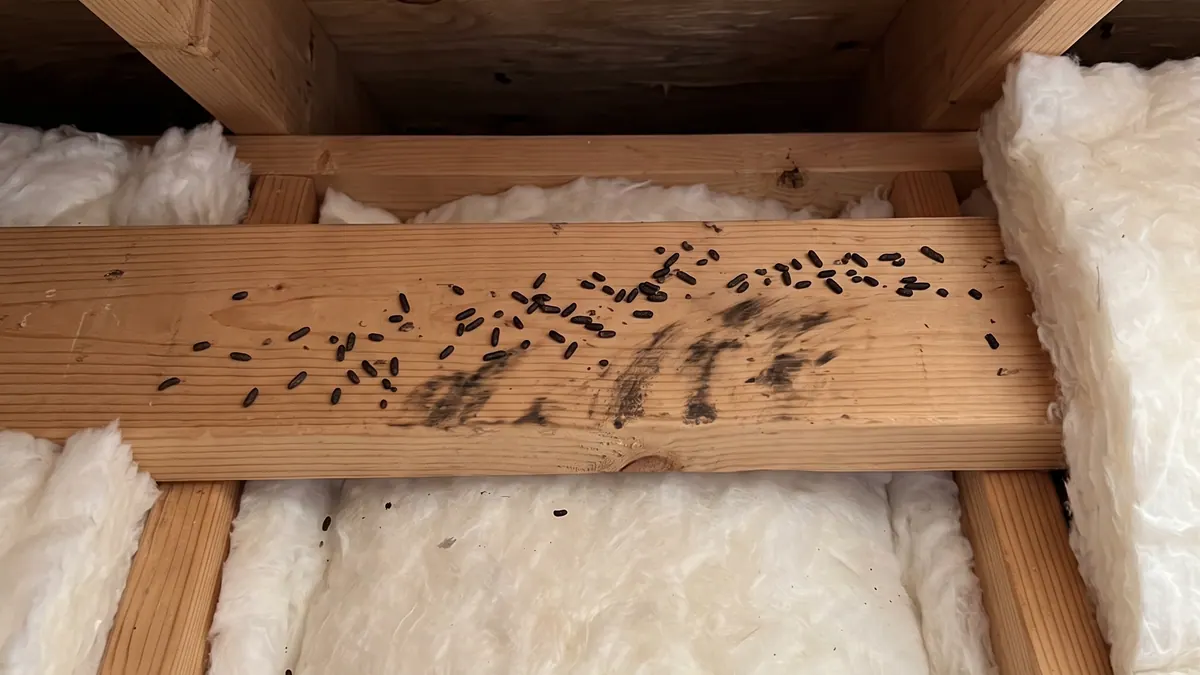 Pest ControlFeatured
5 Tips to Avoid a Rodent Infestation
Five practical steps to keep mice and rats out: seal entry gaps, trim back vegetation, store food securely, manage trash, and dry standing water.
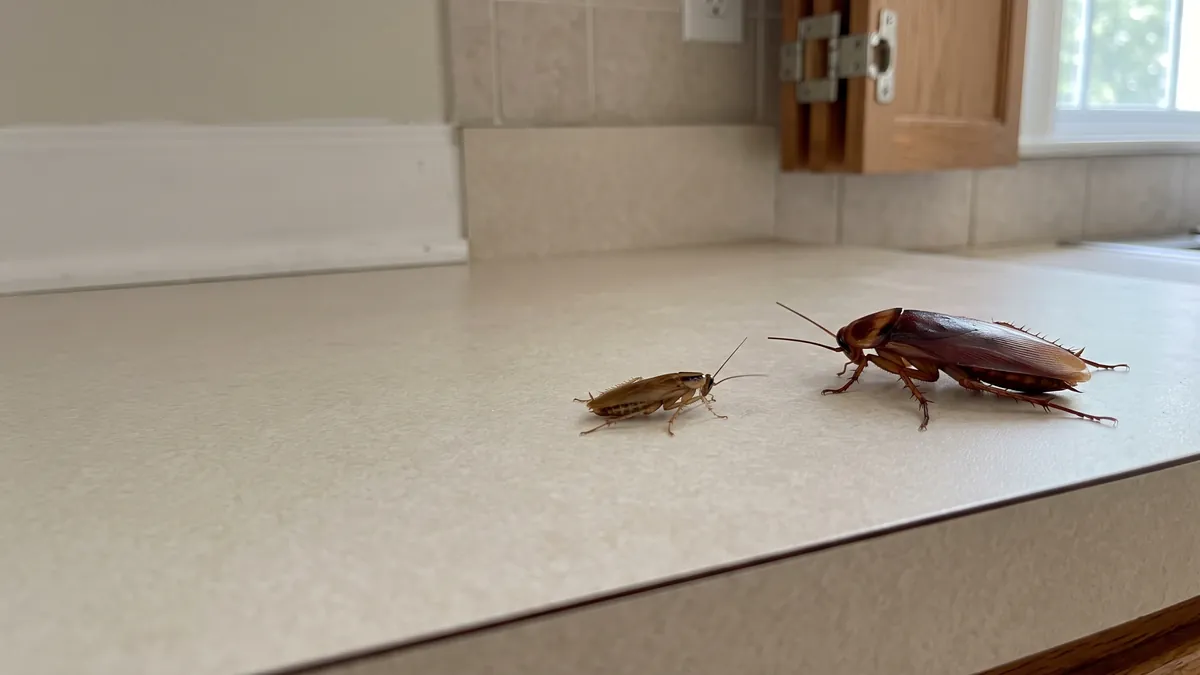 Pest Control
How to Get Rid of German Cockroaches
German cockroaches live indoors all year and hide in kitchen and bathroom gaps, so sprays often miss them. What usually works, and what usually does not.
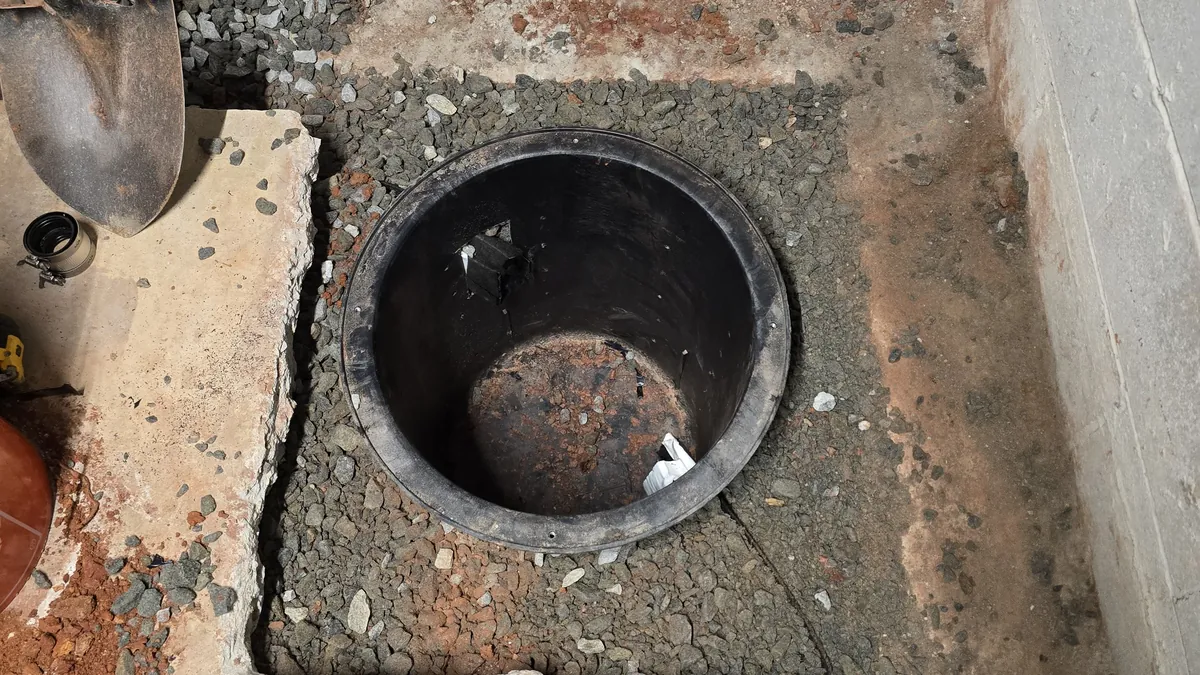 Basement Waterproofing
What Is a Sump Pump and How Does It Work?
A sump pump sits in a pit below the basement floor and pumps rising groundwater away from the house. How it works, the main types, and signs it may need attention.