Overview
Pest Prevention Program
Pest pressure in our region shifts with the seasons rather than stopping. Ants and spiders become active as the ground warms, crickets and millipedes come looking for moisture through the humid summers, and occasional invaders move toward warm structures as nights cool. Our pest prevention program is the recognition that a house sitting in that environment needs attention more than once a year.
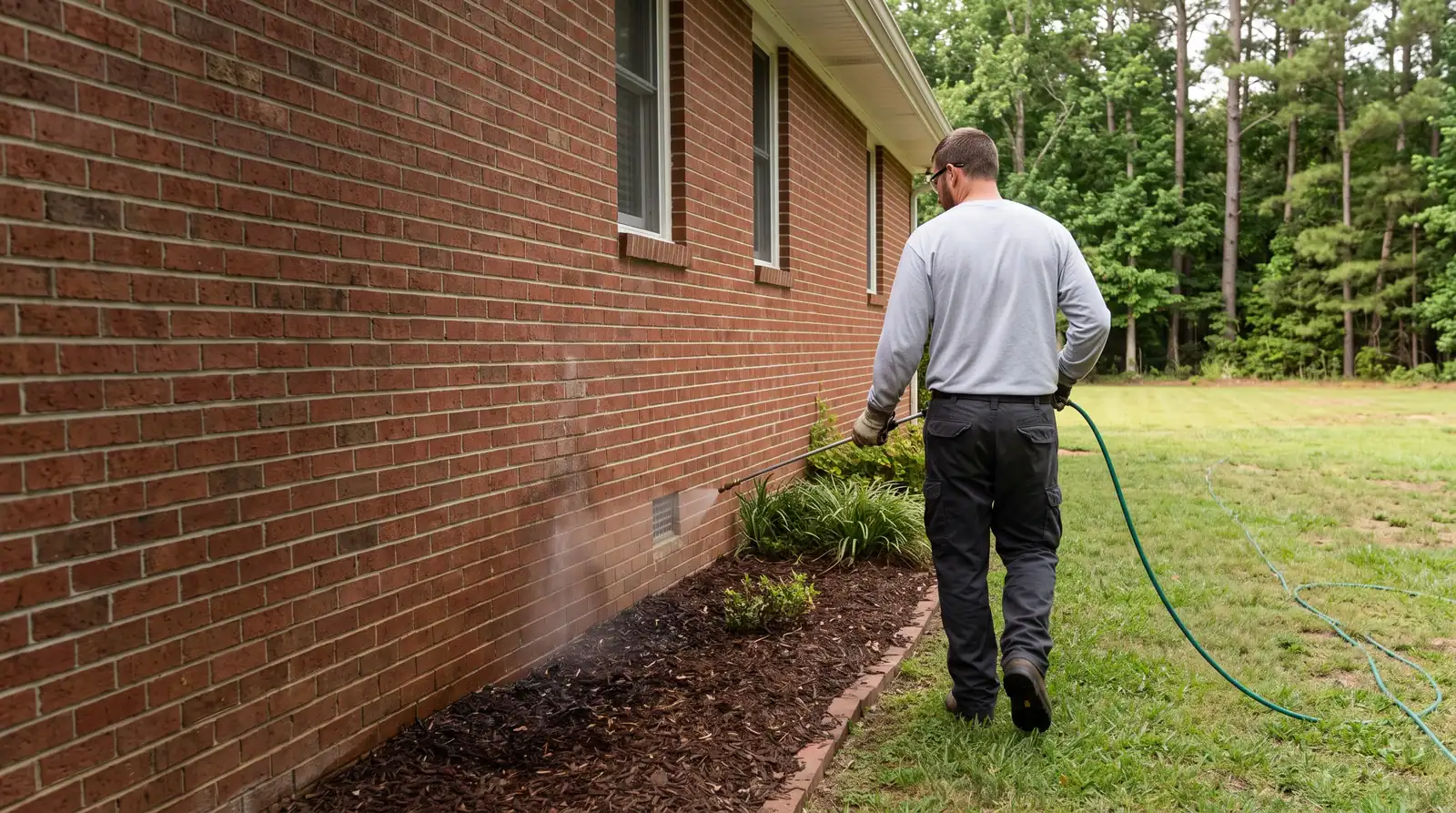
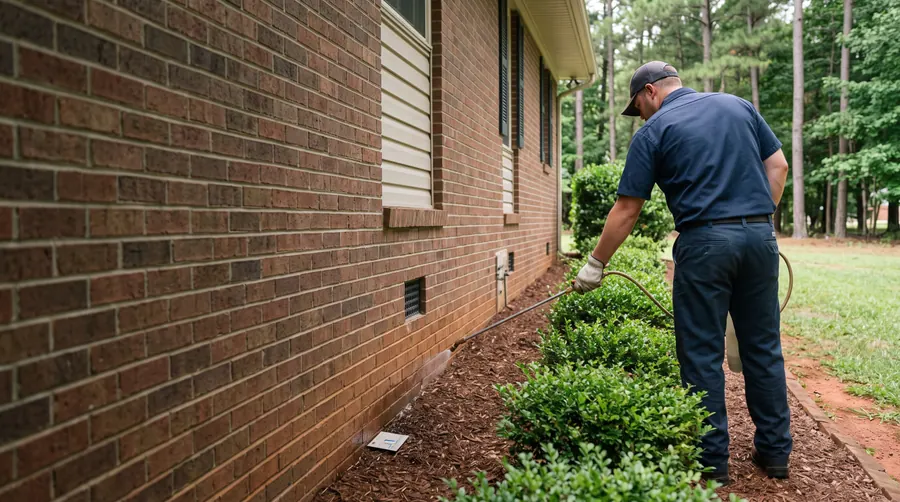
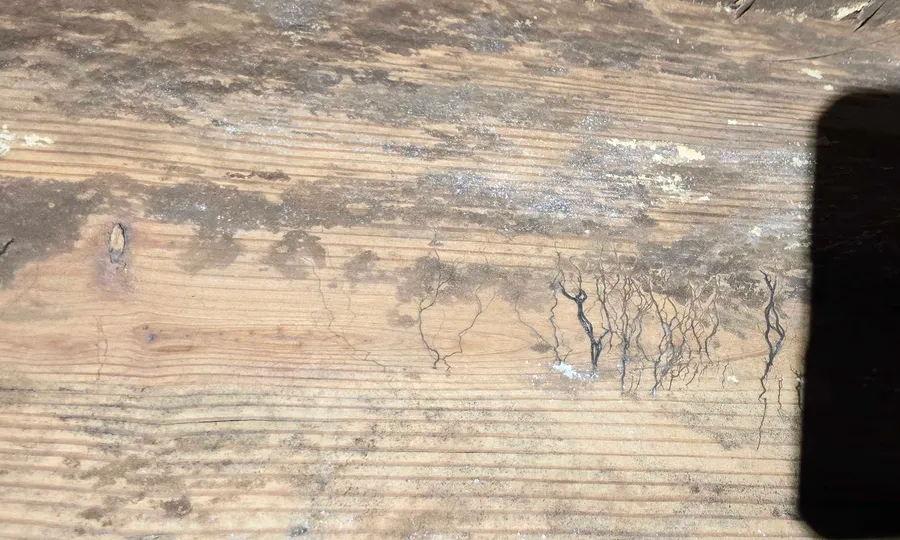
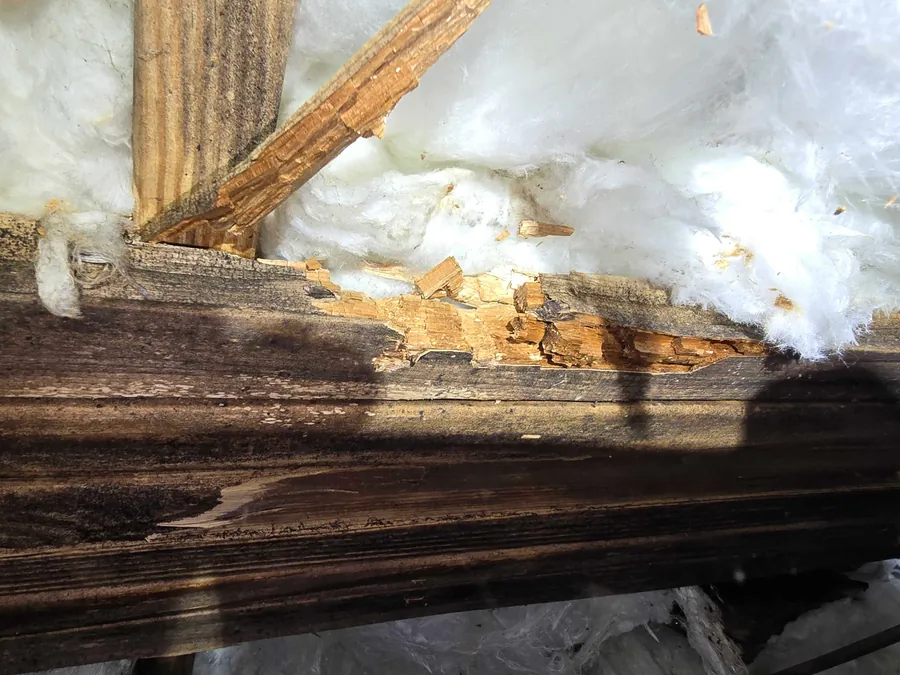
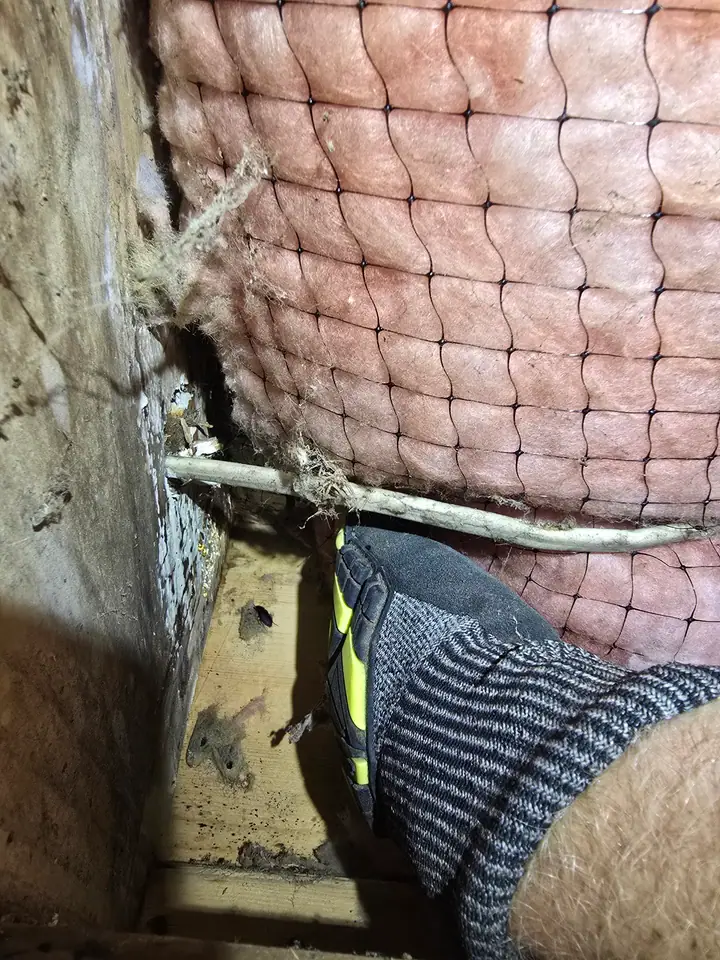
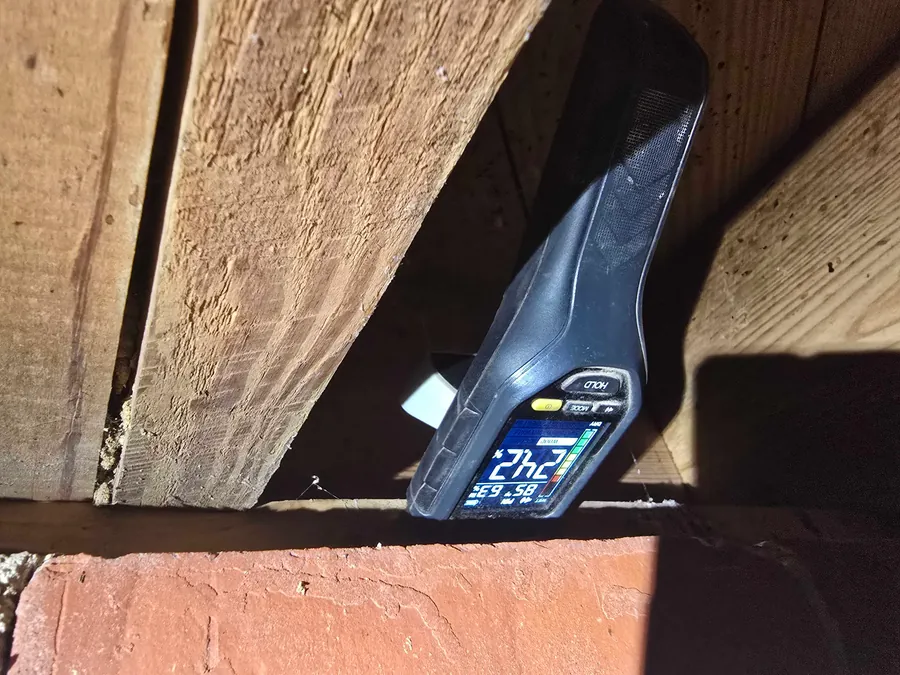
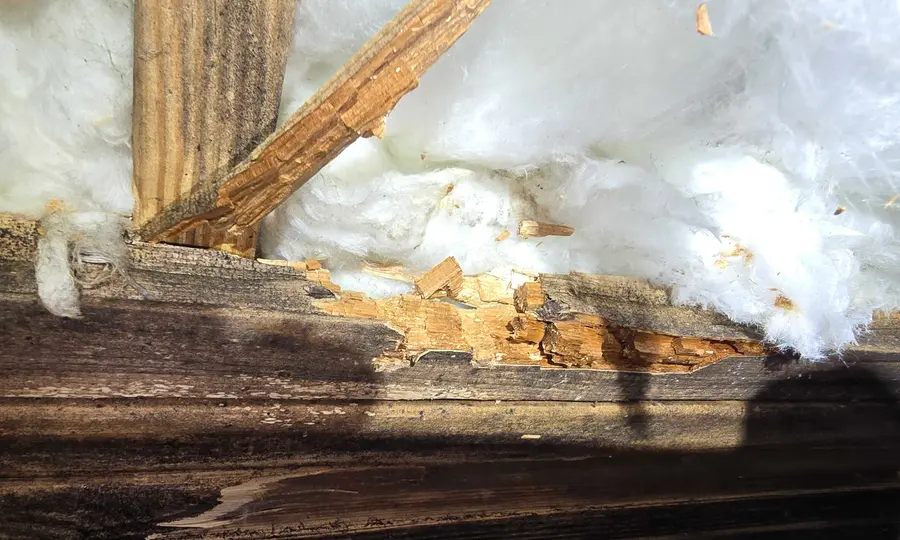
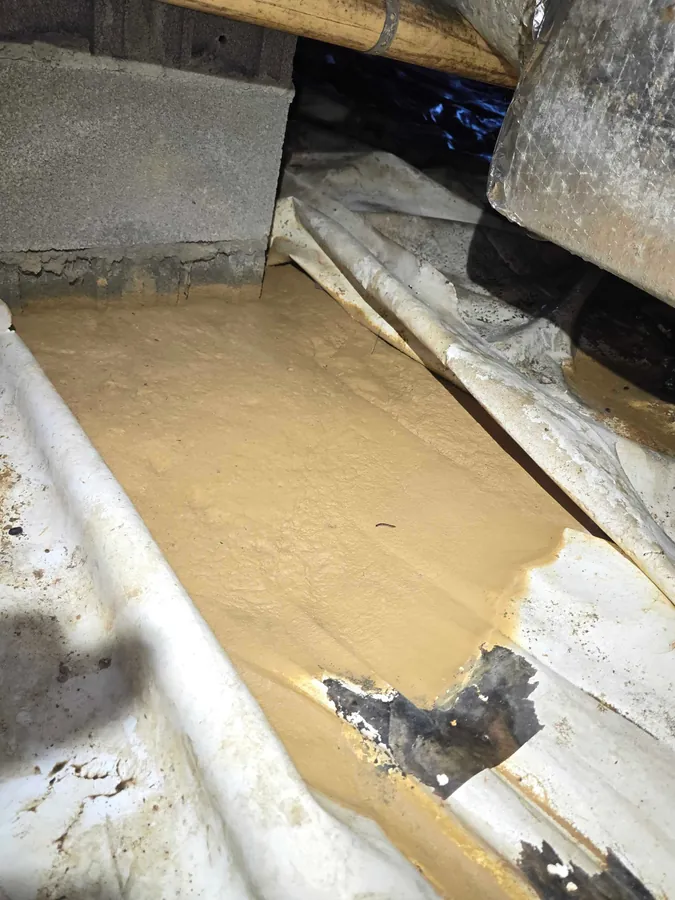
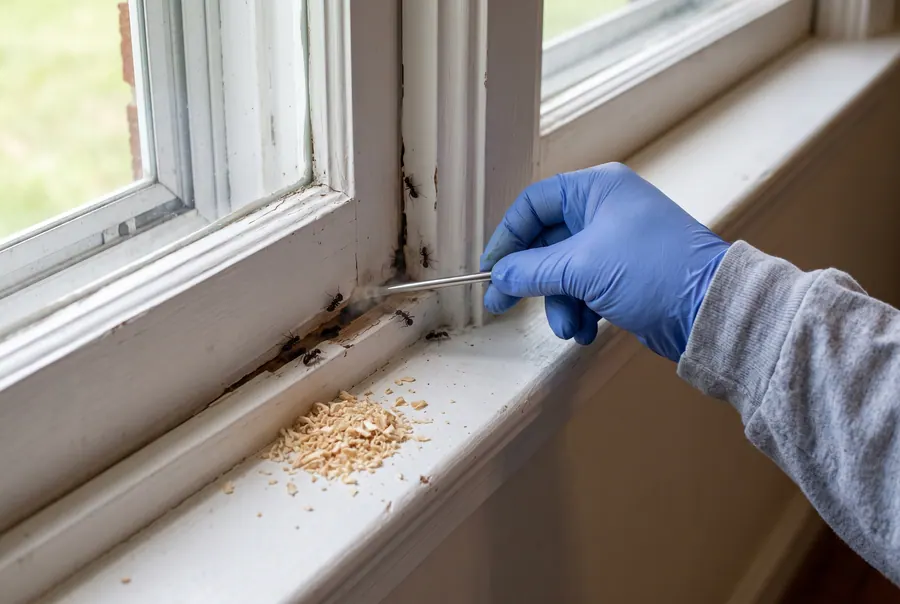
The program runs on a recurring schedule through the year, set out in your service agreement. On each visit a technician treats the exterior perimeter and the entry points pests actually use, attends to the interior where there is a reason to rather than by default, and inspects the property while there. That inspection is a large part of what you are paying for. Conditions that turn into problems, such as moisture under the house, wood in soil contact, or a gap opening at a foundation penetration, get noticed while they are still small and cheap to correct.
Coverage is the general household pests that drive most of the calls we take. In this region that means ants, camel crickets, earwigs and millipedes more often than anything else, along with the other occasional invaders that come in by the same routes. The agreement does not cover wood destroying insects such as termites and powder post beetles, and it does not cover bed bugs, stinging insects, German roaches, rodents or wildlife. Termites, mosquitoes, bed bugs and rodents each have their own service with us, because each one needs a different method and a different schedule.
Pricing is $95 down and $53 per month. Paying by ACH autopay takes 3 percent off, and carrying three or more services with us takes a further 5 percent off. We publish it on purpose: routine pest work is repeatable enough to quote honestly up front, and you should not have to book an appointment to find out what a standard service costs.
What we will not tell you is that a program makes a house pest free. Pests live in the environment around the structure and will keep arriving at it. What a schedule does is hold the population at the lowest practical level and keep someone looking at the conditions that let it build. If a single treatment is genuinely all your situation calls for, we will say so rather than put you on a program.