
Treating Where Mosquitoes Rest, Not the Air
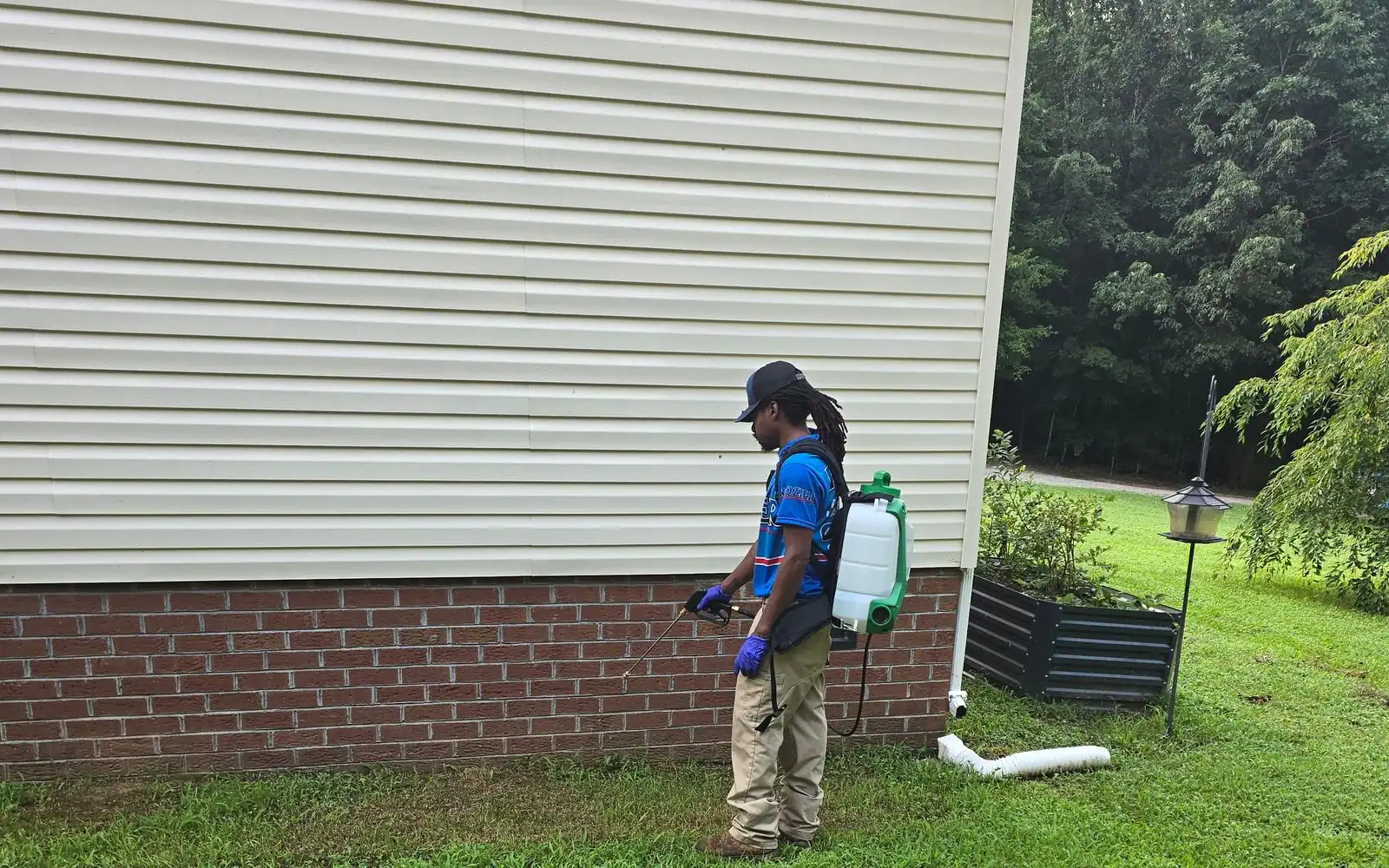
A barrier spray puts a residual product on the shaded foliage adult mosquitoes rest on during the day.
What a Mosquito Barrier Spray Is and When It Is the Right Call
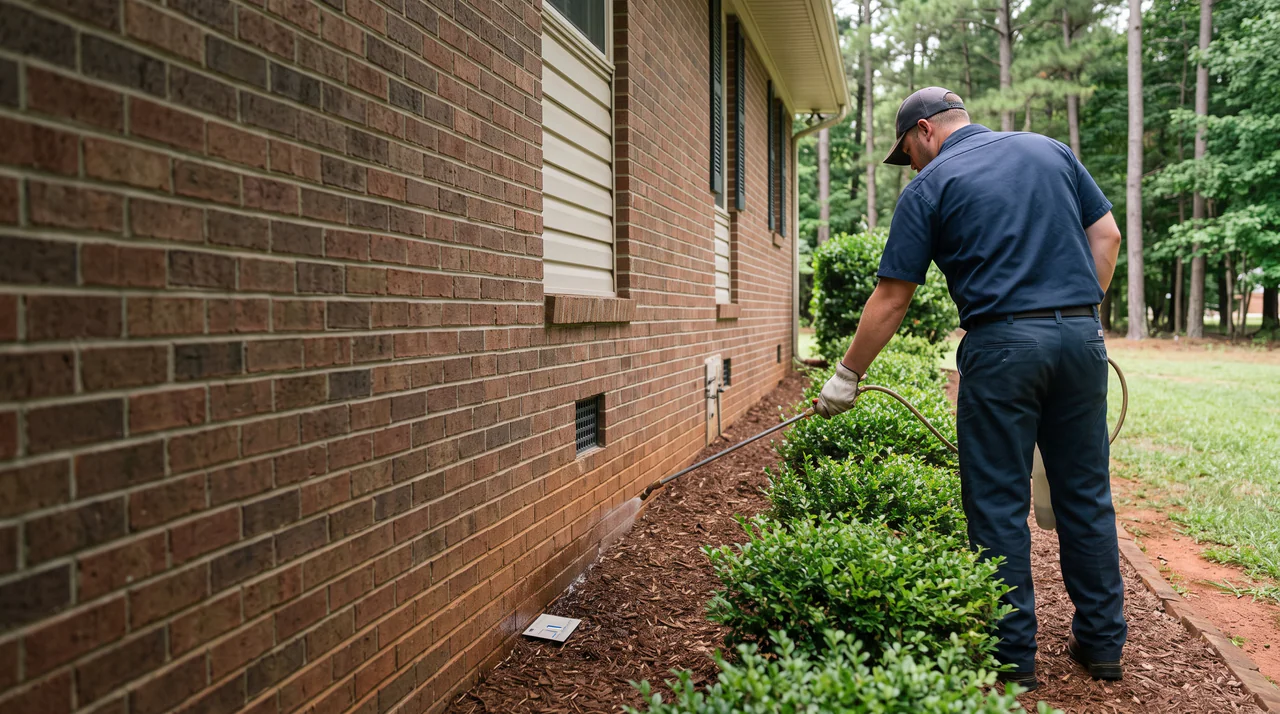
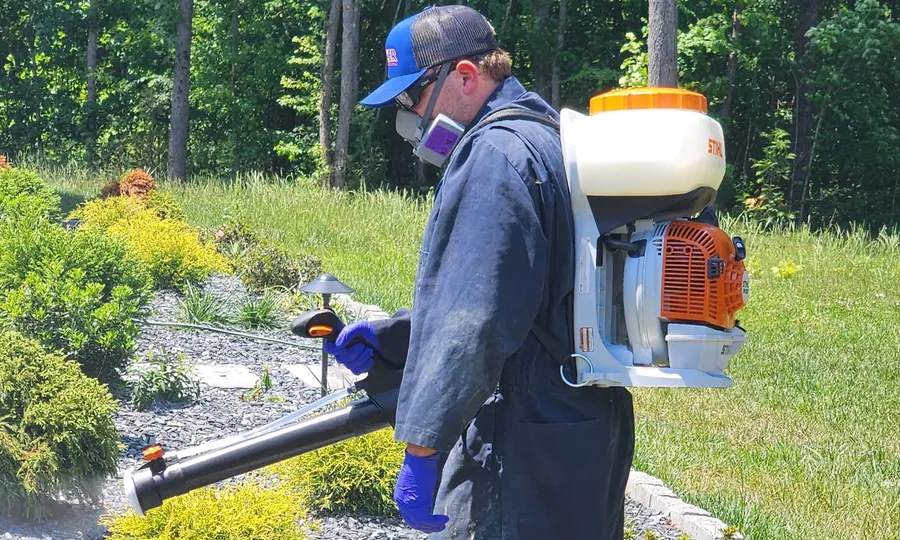
Adult mosquitoes rest in shade because sun and moving air dry them out. On a typical lot in southern Virginia or northern North Carolina, that means the north side of the house, ivy and groundcover, azaleas and boxwoods, the underside of a deck and tall grass at the wood line. A barrier treatment targets those surfaces. The technician uses a backpack sprayer or mist blower to coat the undersides of leaves and the shaded ground, where the product dries to a residue.
The residue keeps working for several weeks. A mosquito landing on a treated leaf absorbs a dose through its feet and body and dies within a short time. Because mosquitoes rest many times a day, most of the adults on a treated property contact the product within the first few days. New adults emerging from nearby water, and mosquitoes flying in from next door, meet the same treated surfaces when they land. That is what keeps the count down between visits.
Barrier spray is the right call for a yard with shade, vegetation and steady mosquito pressure, especially wooded and lakeside lots where the surrounding land is never treated. It is less useful on a lot that is mostly open lawn with little shade, because there is nowhere for mosquitoes to rest and nothing to treat. It does not stop mosquitoes at the property line. Rain, sun and new leaf growth wear the residue down, which is why treatment recurs through the season rather than happening once.
We treat foliage, not flowers. Blooming plants are avoided so bees and other pollinators are not exposed, and the application is timed for when they are least active. Vegetable gardens, ponds, fish, and pet food and water bowls are avoided or covered. You will be asked to keep people and pets off the treated foliage until it is dry, usually within an hour or so. Each visit includes a look for new standing water, and larvicide goes into water that cannot be tipped out, because a barrier alone does not stop the yard from producing the next generation.
How We Apply a Mosquito Barrier Spray
Walk the property
The technician identifies the shaded resting sites, checks for standing water and notes flowering plants, gardens and ponds to avoid. You are shown what will be treated and what will not.
Prepare the yard
Pet bowls, toys and anything you do not want treated are moved or covered. Windows near the treated foliage are closed for the application.
Apply the barrier
A residual product is applied with a backpack sprayer or mist blower to the undersides of leaves, shrub interiors, the shaded side of the house, under decks and along the wood line, until the surfaces are coated.
Treat standing water
Water that cannot be drained gets larvicide so the larvae there do not mature into adults. Water that can be tipped out is pointed out to you.
Let it dry, then renew on schedule
Treated surfaces are dry within about an hour, and the yard is back in use. The barrier is renewed through the warm months as rain and growth wear it down.
A Local, Family Owned Team in South Hill
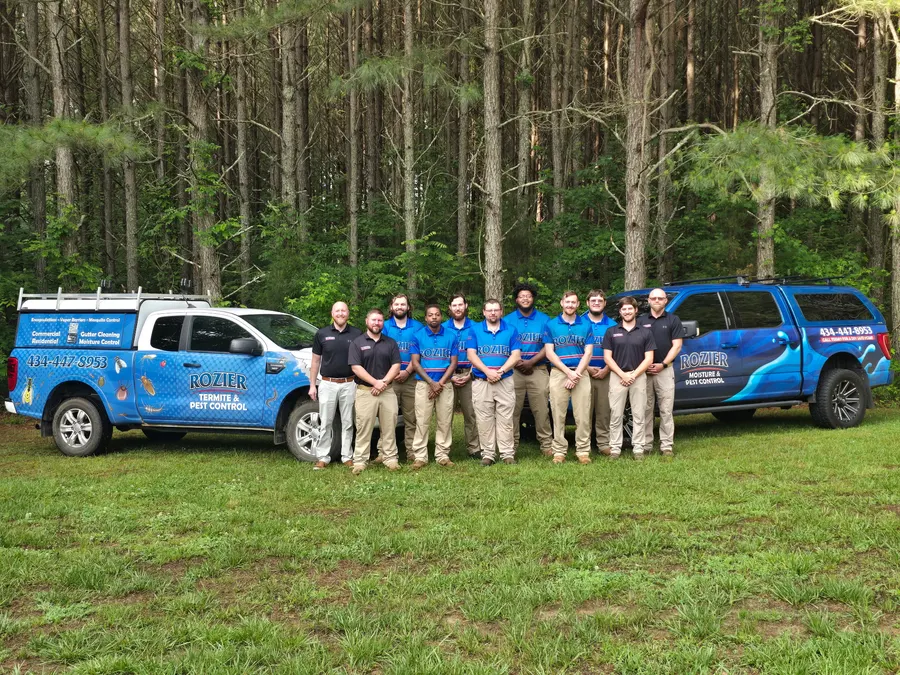
Rozier is a family owned, faith-driven company based in South Hill. Because moisture is what invites termites and rodents in the first place, real prevention starts below the surface.
We treat the infestation and correct the moisture conditions that caused it, instead of handing you to a second contractor.
Each home we visit is assessed through a pest lens and a moisture lens, because underneath a house they are the same problem.
We do not arrive with a predetermined treatment and a timer running. What we propose follows from what we find.
Children, pets and sensitive family members are part of the decision about what gets used and how it is applied.
Answers to Common Questions About Mosquito Barrier Spray
Don't see your question here? Our team is happy to help. Reach out anytime.
Other Mosquito Control Solutions We Use
Each method is matched to what the inspection finds at your property. These are the others we use for the same kind of problem.
Proudly Serving Southern Virginia and Northern North Carolina
Rooted in South Hill, we work across both states with the responsiveness of a local team. If your town is not listed, call us. There is a good chance we are already there.
Protection in Three Straightforward Steps
No confusing plans and no pressure. Here is exactly how we get your home protected.
Call for a free estimate.
One quick call and we schedule a visit at a time that suits you, at no cost and with no obligation to go ahead.
Get a plan built for your home.
We inspect above and below the surface, explain plainly what we found, and recommend only what your property actually needs.
We handle the work.
Our team carries out the treatment or the repair, and tells you what to expect afterwards and when we will be back.
Read What Our Neighbors Say
Verified Google reviews from homeowners throughout southern Virginia and northern North Carolina.
Expert Guidance on Protecting Your Home
Practical articles from the Rozier team on foundation health, waterproofing, and home preservation.
 Pest ControlFeatured
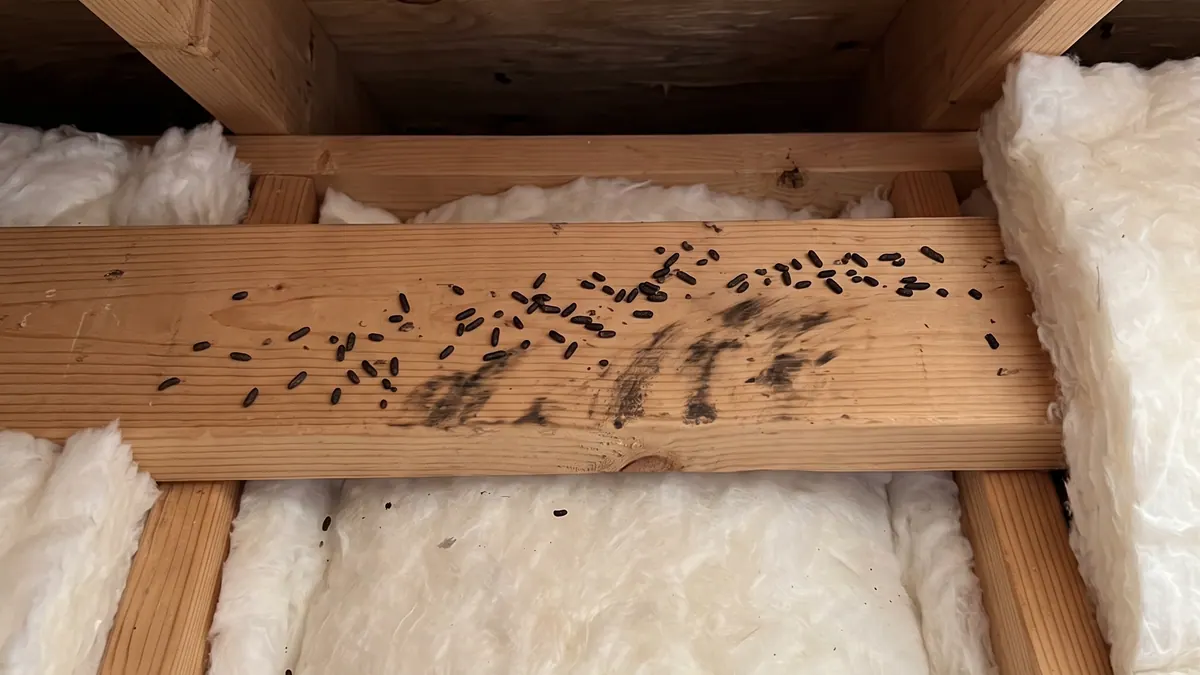
5 Tips to Avoid a Rodent Infestation
Five practical steps to keep mice and rats out: seal entry gaps, trim back vegetation, store food securely, manage trash, and dry standing water.
 Pest Control
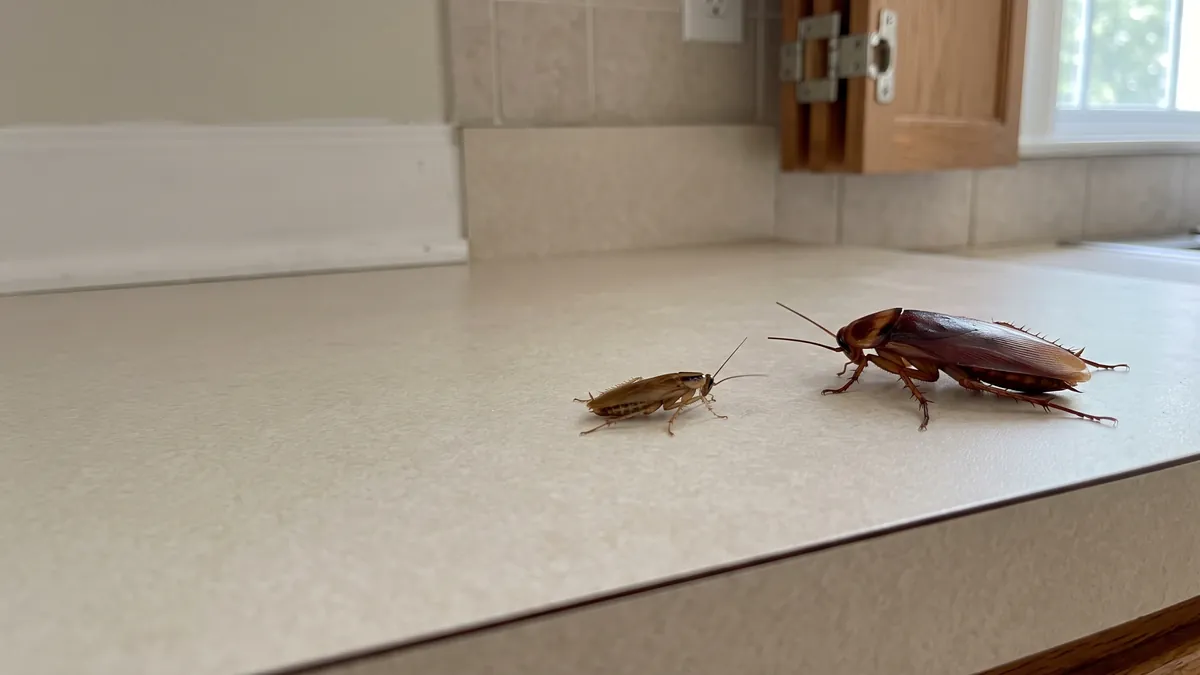
How to Get Rid of German Cockroaches
German cockroaches live indoors all year and hide in kitchen and bathroom gaps, so sprays often miss them. What usually works, and what usually does not.
 Basement Waterproofing
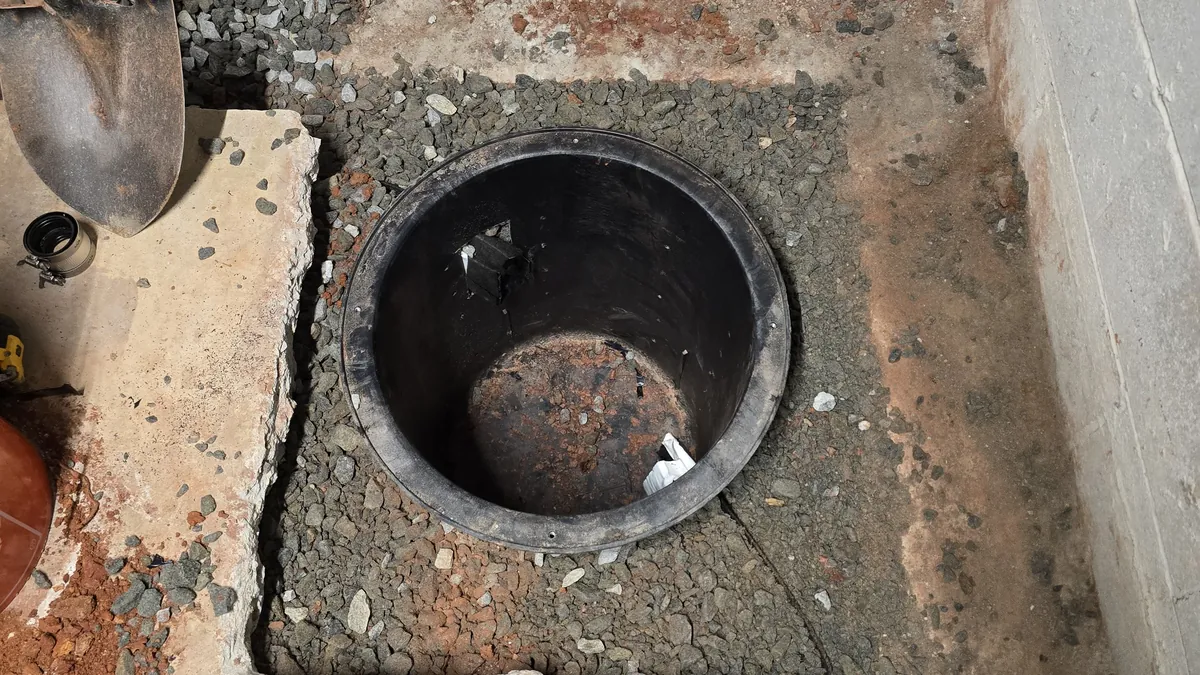
What Is a Sump Pump and How Does It Work?
A sump pump sits in a pit below the basement floor and pumps rising groundwater away from the house. How it works, the main types, and signs it may need attention.