Stopping Mosquitoes Before They Can Fly
Larvicide treats the water mosquitoes grow in when that water cannot be drained.
What Larvicide Treatments for Standing Water Are and When They Are the Right Call
Mosquito larvae hang just under the surface of still water, breathing through a tube and feeding on organic material. In warm weather they go from egg to adult in about a week to ten days. Any water that stands that long in summer here can produce mosquitoes, and shaded water on wooded and lakeside lots lasts longest because the sun never dries it. Larvicide interrupts that stage. Depending on the site, the product is either a bacterial larvicide that the larvae ingest, or a growth regulator that keeps them from molting into adults. Both are aimed at the larvae and are placed at the label rate for the volume of water.
The technician chooses the form by the site. Slow release briquettes go in water that stands for weeks, like a pond edge, a drainage box or a low spot that never fully dries, and keep working for a month or more. Granules broadcast over a wet wooded depression treat a wide shallow area. A rain barrel or a stock tank gets a dose sized to the volume. Water that will be gone in a few days is usually not worth treating and is noted instead.
Larvicide is the right call for water you cannot remove and do not want to. It is not the right call for a bucket, a clogged gutter or a tarp, which take thirty seconds to empty. It also does not touch the adults already in the yard. Those are the job of the barrier treatment on the resting foliage. Because larvicide only works where it is placed, breeding sites off the property keep producing, and mosquitoes from there still fly in.
What to expect: the products are placed by hand, with no spraying in this part of the visit. Treated sites are rechecked on each visit through the warm months, since rain refills low spots and a product placed in spring is spent by midsummer. Your technician will tell you which sites were treated and which ones you can deal with yourself.
How We Treat Standing Water with Larvicide
Find the water
The technician walks the property looking for anything that holds water for a week or more: ponds, barrels, drainage structures, low spots, ditches, tarps, gutters and containers. Each site is noted.
Sort what can be drained from what cannot
Containers, tarps and clogged gutters are pointed out for you to empty. Only water that cannot be removed is treated.
Match the product to the site
Slow release briquettes go in water that stands for weeks. Granules cover wide shallow areas like a wooded depression. Small volumes such as a rain barrel get a dose sized to the water.
Place the larvicide
The product is placed by hand into the water at the rate on the label for that volume or area. Nothing is sprayed, and your technician will tell you anything to keep in mind for fish, birds or pets using that water.
Recheck through the season
Treated sites are revisited on each service visit. Spent product is replaced, new water from storms is treated, and sites that have dried up are dropped.
A Local, Family Owned Team in South Hill
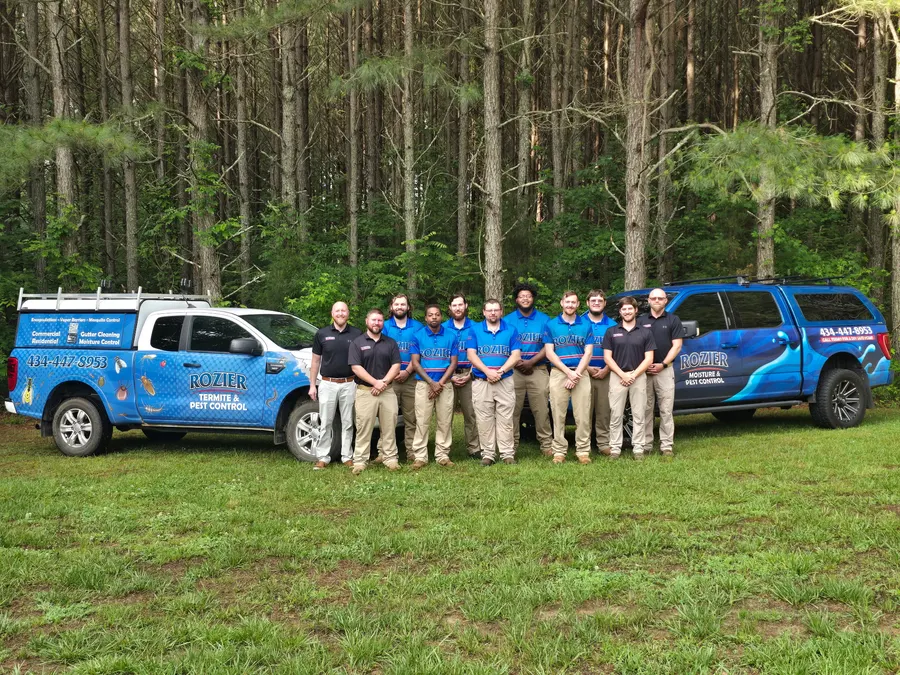
Rozier is a family owned, faith-driven company based in South Hill. Because moisture is what invites termites and rodents in the first place, real prevention starts below the surface.
We treat the infestation and correct the moisture conditions that caused it, instead of handing you to a second contractor.
Each home we visit is assessed through a pest lens and a moisture lens, because underneath a house they are the same problem.
We do not arrive with a predetermined treatment and a timer running. What we propose follows from what we find.
Children, pets and sensitive family members are part of the decision about what gets used and how it is applied.
Answers to Common Questions About Larvicide Treatments for Standing Water
Don't see your question here? Our team is happy to help. Reach out anytime.
Other Mosquito Control Solutions We Use
Each method is matched to what the inspection finds at your property. These are the others we use for the same kind of problem.
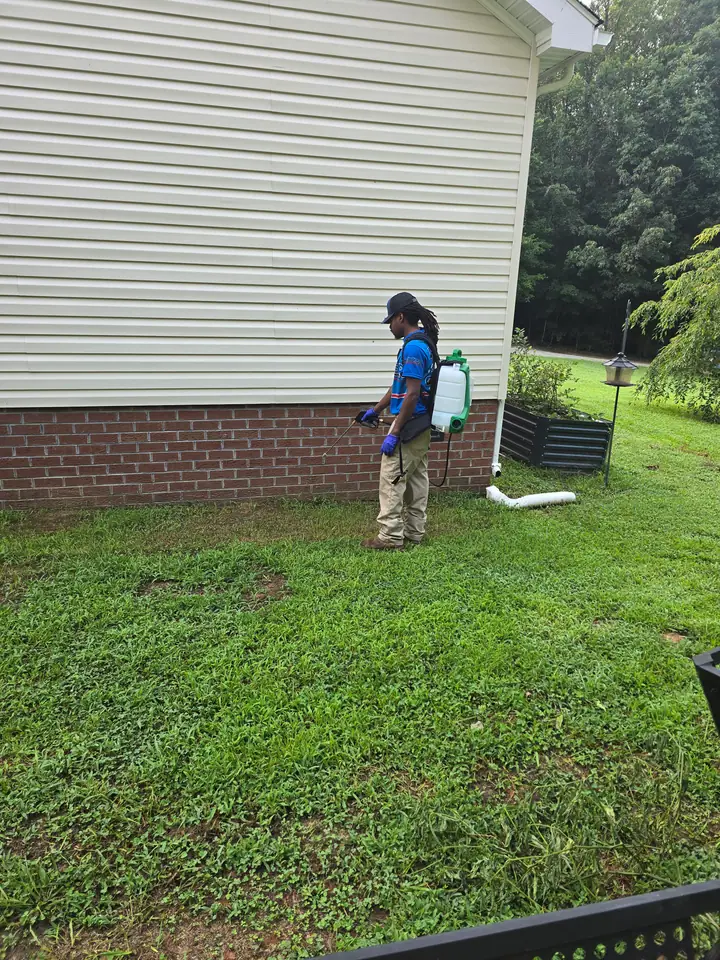
Proudly Serving Southern Virginia and Northern North Carolina
Rooted in South Hill, we work across both states with the responsiveness of a local team. If your town is not listed, call us. There is a good chance we are already there.
Protection in Three Straightforward Steps
No confusing plans and no pressure. Here is exactly how we get your home protected.
Call for a free estimate.
One quick call and we schedule a visit at a time that suits you, at no cost and with no obligation to go ahead.
Get a plan built for your home.
We inspect above and below the surface, explain plainly what we found, and recommend only what your property actually needs.
We handle the work.
Our team carries out the treatment or the repair, and tells you what to expect afterwards and when we will be back.
Read What Our Neighbors Say
Verified Google reviews from homeowners throughout southern Virginia and northern North Carolina.
Expert Guidance on Protecting Your Home
Practical articles from the Rozier team on foundation health, waterproofing, and home preservation.
 Pest ControlFeatured
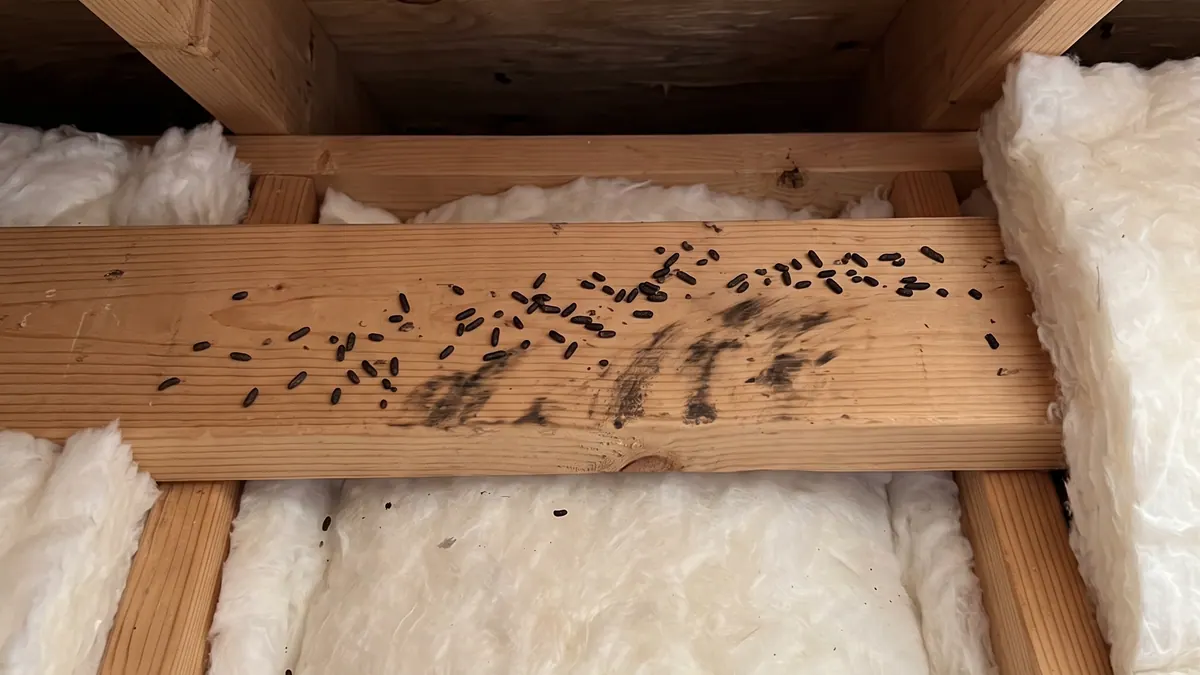
5 Tips to Avoid a Rodent Infestation
Five practical steps to keep mice and rats out: seal entry gaps, trim back vegetation, store food securely, manage trash, and dry standing water.
 Pest Control
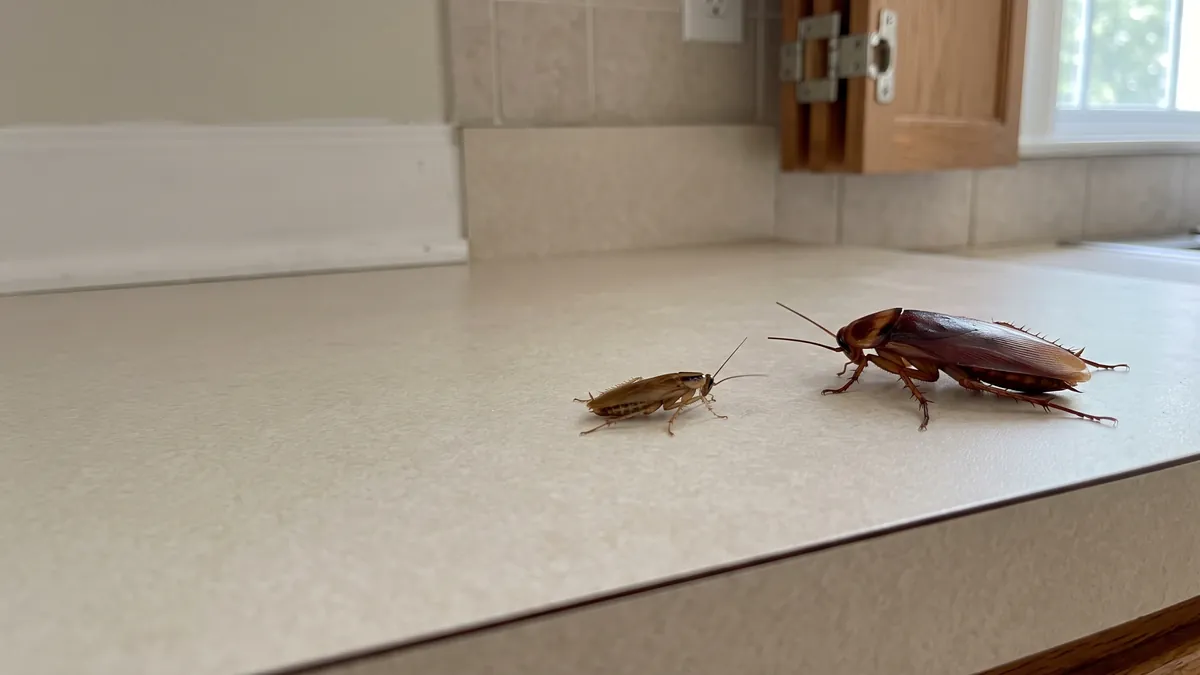
How to Get Rid of German Cockroaches
German cockroaches live indoors all year and hide in kitchen and bathroom gaps, so sprays often miss them. What usually works, and what usually does not.
 Basement Waterproofing
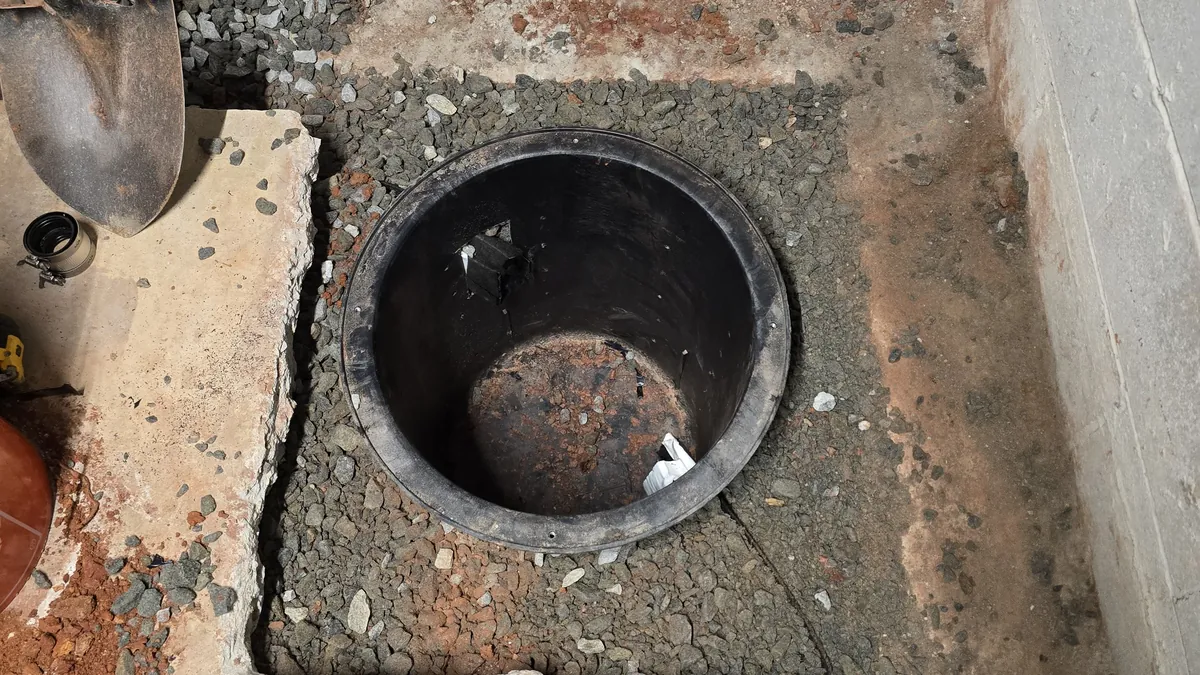
What Is a Sump Pump and How Does It Work?
A sump pump sits in a pit below the basement floor and pumps rising groundwater away from the house. How it works, the main types, and signs it may need attention.