Sealing The Gaps Occasional Invaders Use
Camel crickets, millipedes and earwigs come in through openings you can close.
What Entry Point Sealing for Occasional Invaders Is and When It Is the Right Call
Camel crickets, millipedes and earwigs are not looking for your house. They are looking for damp, dark shelter, and when the ground outside dries out or floods, or the weather turns cold, the crawl space and the basement are where they go. From there the gap between the sill plate and the foundation, an open vent, or the space around a pipe leads straight up into a bathroom or kitchen. Most homeowners see them along baseboards, in tubs and sinks, and in the basement or garage, which are the rooms closest to those openings.
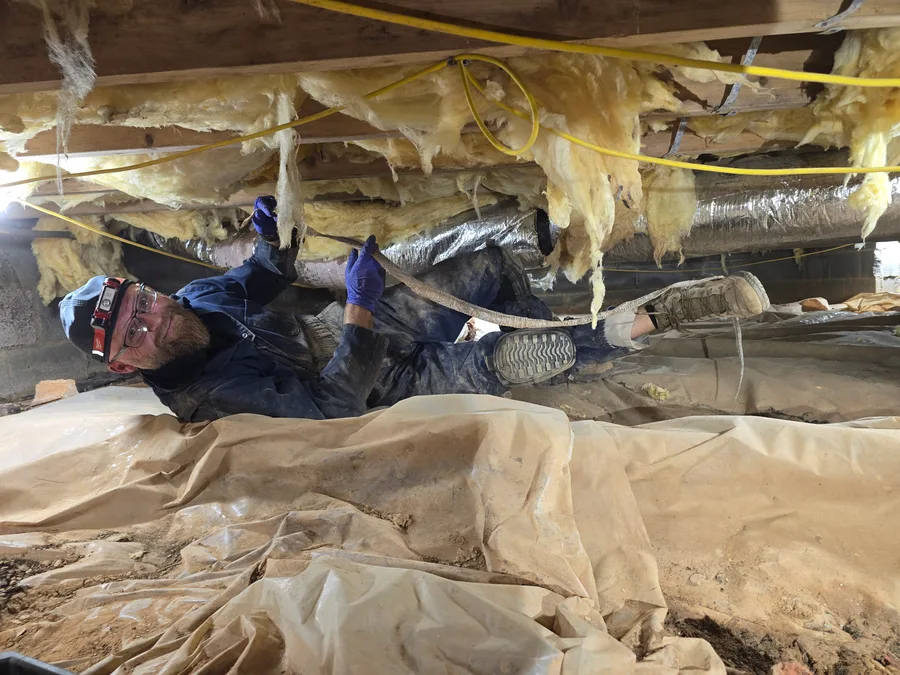
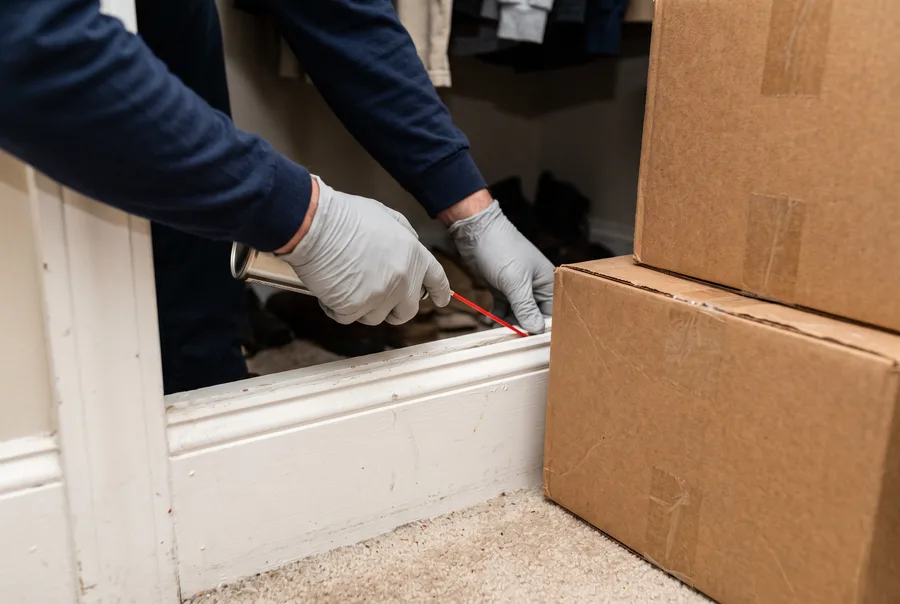
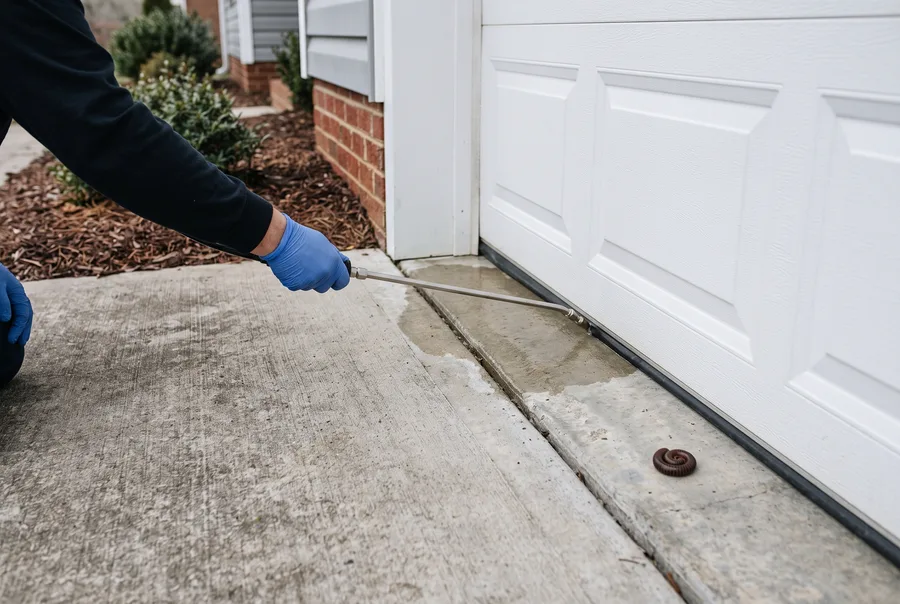
Sealing starts with an inspection from the outside and from under the house. We look at the sill plate line all the way around, every foundation vent and its screen, every door threshold and sweep at grade, and every penetration for plumbing, electrical, HVAC and dryer venting. Gaps are closed with materials suited to the spot: sealant or mortar at masonry, backer and sealant at wider joints, new screening on vents, copper mesh or hardware cloth at holes that need to breathe, and new sweeps and thresholds at doors. The goal is that each opening either closes or gets a screen the insect cannot pass.
Sealing is the right call when the same insects show up in the same rooms season after season, and it pairs with a residual perimeter treatment and with correcting the damp crawl space that breeds them. It is not a substitute for the moisture work. A crawl space with wet soil will keep producing camel crickets and millipedes, and some will find a route we could not reach. Sealing lowers the traffic. Drying the crawl space lowers the population.
Expect the technician to show you each gap before and after, and to tell you which ones were not sealable, such as a weep gap in brick veneer that has to stay open. Sealants and screens wear, so the entry points are looked at again on any recurring service visit. The result is fewer insects indoors, held at the lowest practical level, not a house nothing can enter.
How We Seal an Entry Point
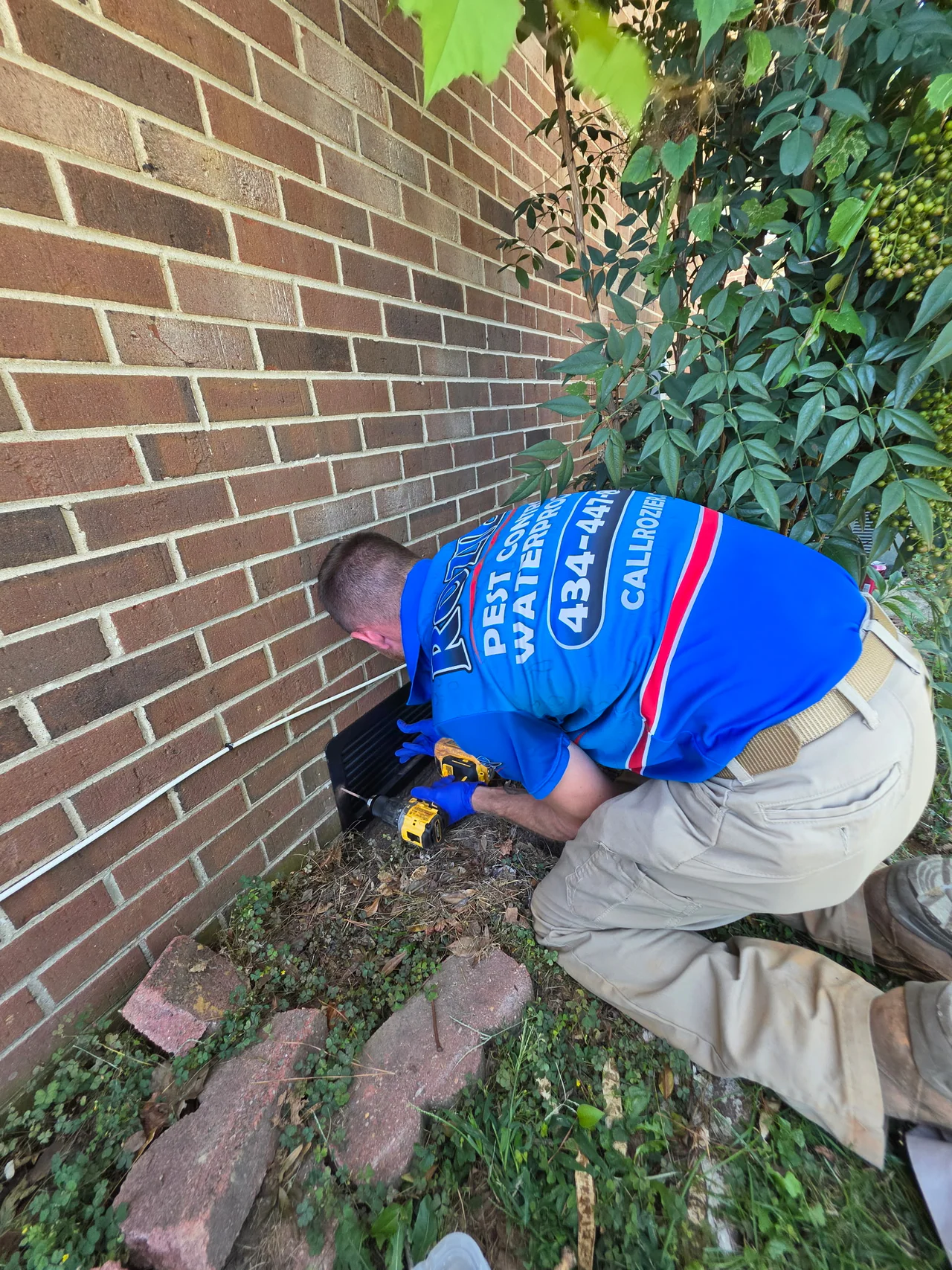
Inspect the base of the house
We walk the exterior foundation line and the crawl space or basement, checking the sill plate, vents, door thresholds and every pipe, wire and duct penetration. The inspection is free and comes with no obligation.
Seal the sill plate gaps
Gaps between the sill plate and the top of the foundation wall are filled with sealant, or with backer and sealant where the joint is wide.
Screen and repair the vents
Torn, rusted or missing vent screens are replaced with new screening or hardware cloth, so the vent still breathes but insects cannot walk through.
Close the penetrations
Openings around plumbing, electrical, HVAC lines and dryer vents are packed with copper mesh where needed and sealed.
Replace door sweeps and thresholds
Worn sweeps and gapped thresholds on exterior, garage and crawl space doors are replaced so the bottom of the door closes tight.
Note what remains
We tell you which openings could not be closed, such as brick weep gaps, and where a residual treatment or moisture correction should follow.
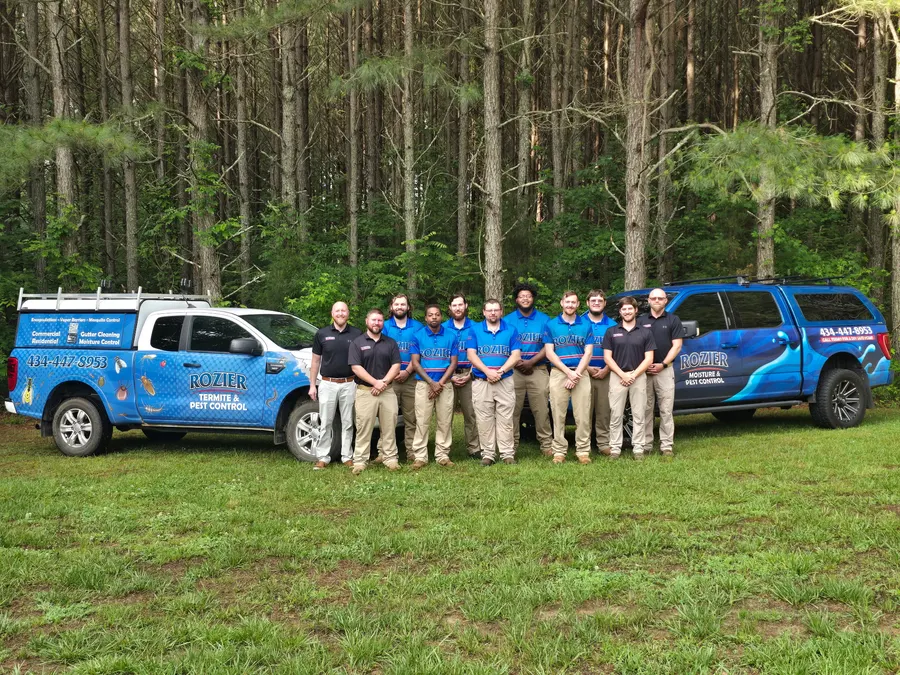
A Local, Family Owned Team in South Hill
Rozier is a family owned, faith-driven company based in South Hill. Because moisture is what invites termites and rodents in the first place, real prevention starts below the surface.
We treat the infestation and correct the moisture conditions that caused it, instead of handing you to a second contractor.
Each home we visit is assessed through a pest lens and a moisture lens, because underneath a house they are the same problem.
We do not arrive with a predetermined treatment and a timer running. What we propose follows from what we find.
Children, pets and sensitive family members are part of the decision about what gets used and how it is applied.
Answers to Common Questions About Entry Point Sealing for Occasional Invaders
Don't see your question here? Our team is happy to help. Reach out anytime.
Other Nuisance Pest Control Solutions We Use
Each method is matched to what the inspection finds at your property. These are the others we use for the same kind of problem.
Proudly Serving Southern Virginia and Northern North Carolina
Rooted in South Hill, we work across both states with the responsiveness of a local team. If your town is not listed, call us. There is a good chance we are already there.
Protection in Three Straightforward Steps
No confusing plans and no pressure. Here is exactly how we get your home protected.
Call for a free estimate.
One quick call and we schedule a visit at a time that suits you, at no cost and with no obligation to go ahead.
Get a plan built for your home.
We inspect above and below the surface, explain plainly what we found, and recommend only what your property actually needs.
We handle the work.
Our team carries out the treatment or the repair, and tells you what to expect afterwards and when we will be back.
Read What Our Neighbors Say
Verified Google reviews from homeowners throughout southern Virginia and northern North Carolina.
Expert Guidance on Protecting Your Home
Practical articles from the Rozier team on foundation health, waterproofing, and home preservation.
 Pest ControlFeatured
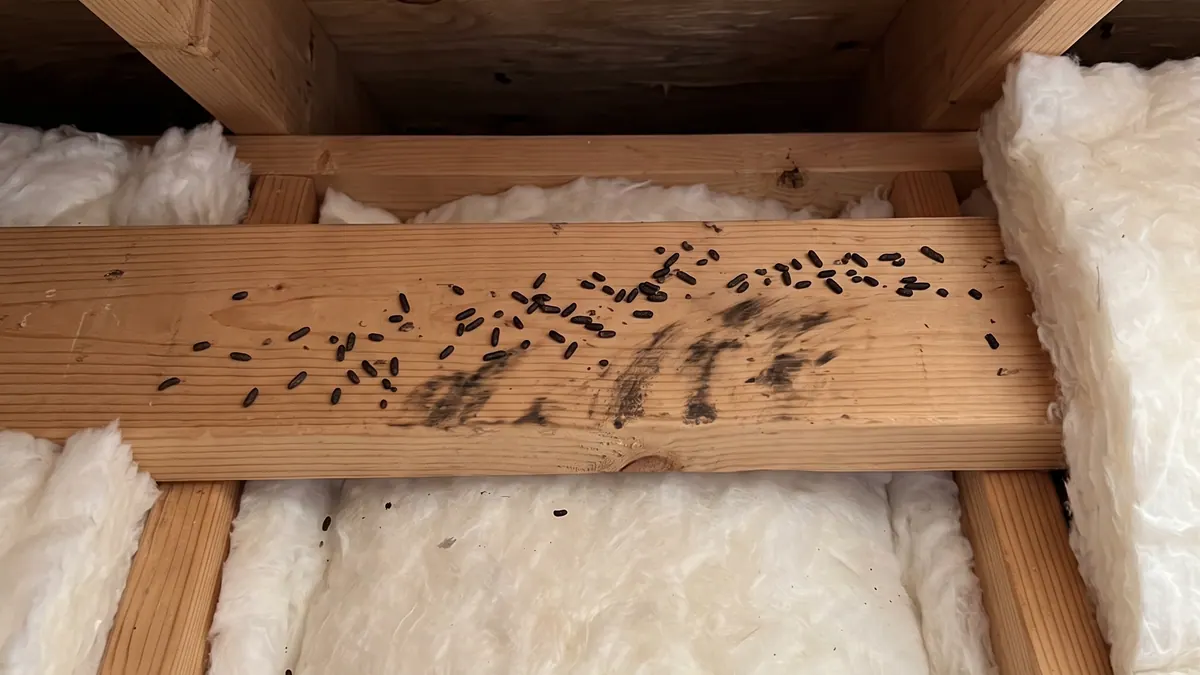
5 Tips to Avoid a Rodent Infestation
Five practical steps to keep mice and rats out: seal entry gaps, trim back vegetation, store food securely, manage trash, and dry standing water.
 Pest Control
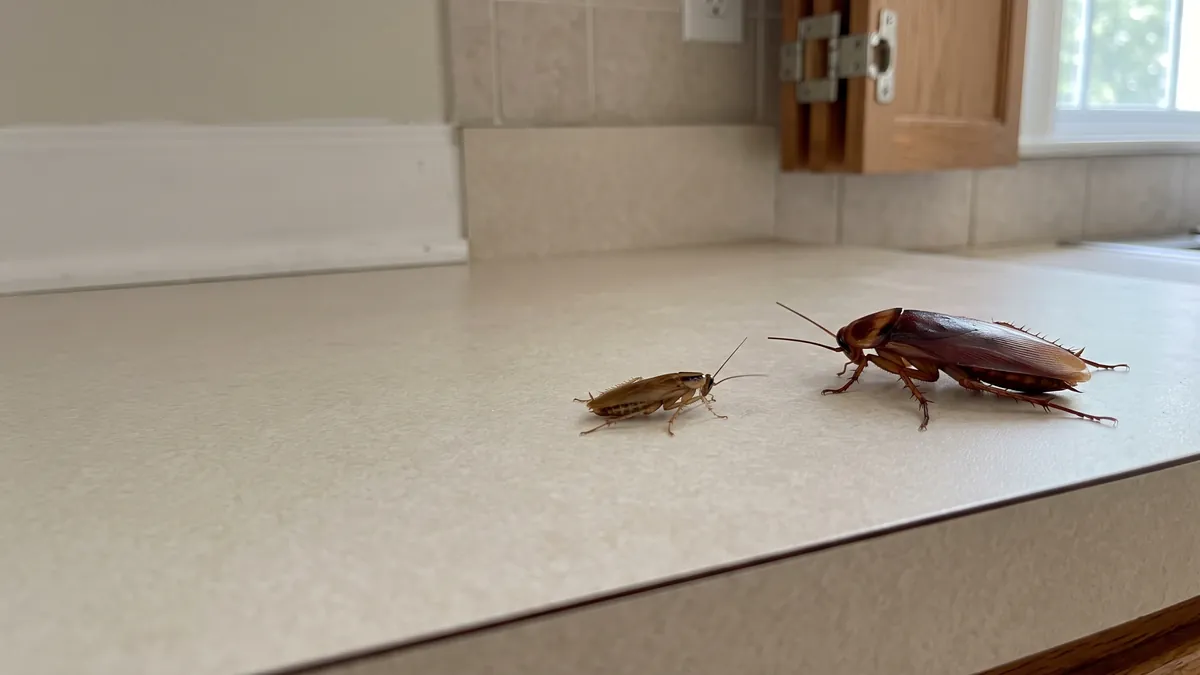
How to Get Rid of German Cockroaches
German cockroaches live indoors all year and hide in kitchen and bathroom gaps, so sprays often miss them. What usually works, and what usually does not.
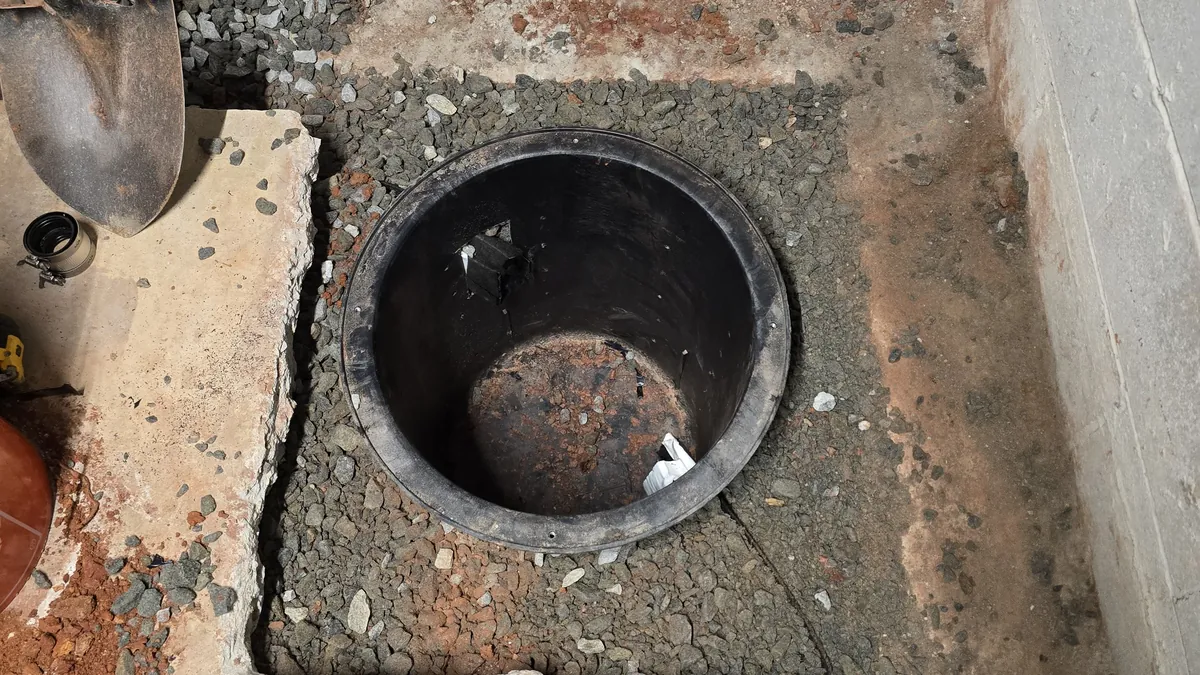 Basement Waterproofing
What Is a Sump Pump and How Does It Work?
A sump pump sits in a pit below the basement floor and pumps rising groundwater away from the house. How it works, the main types, and signs it may need attention.