
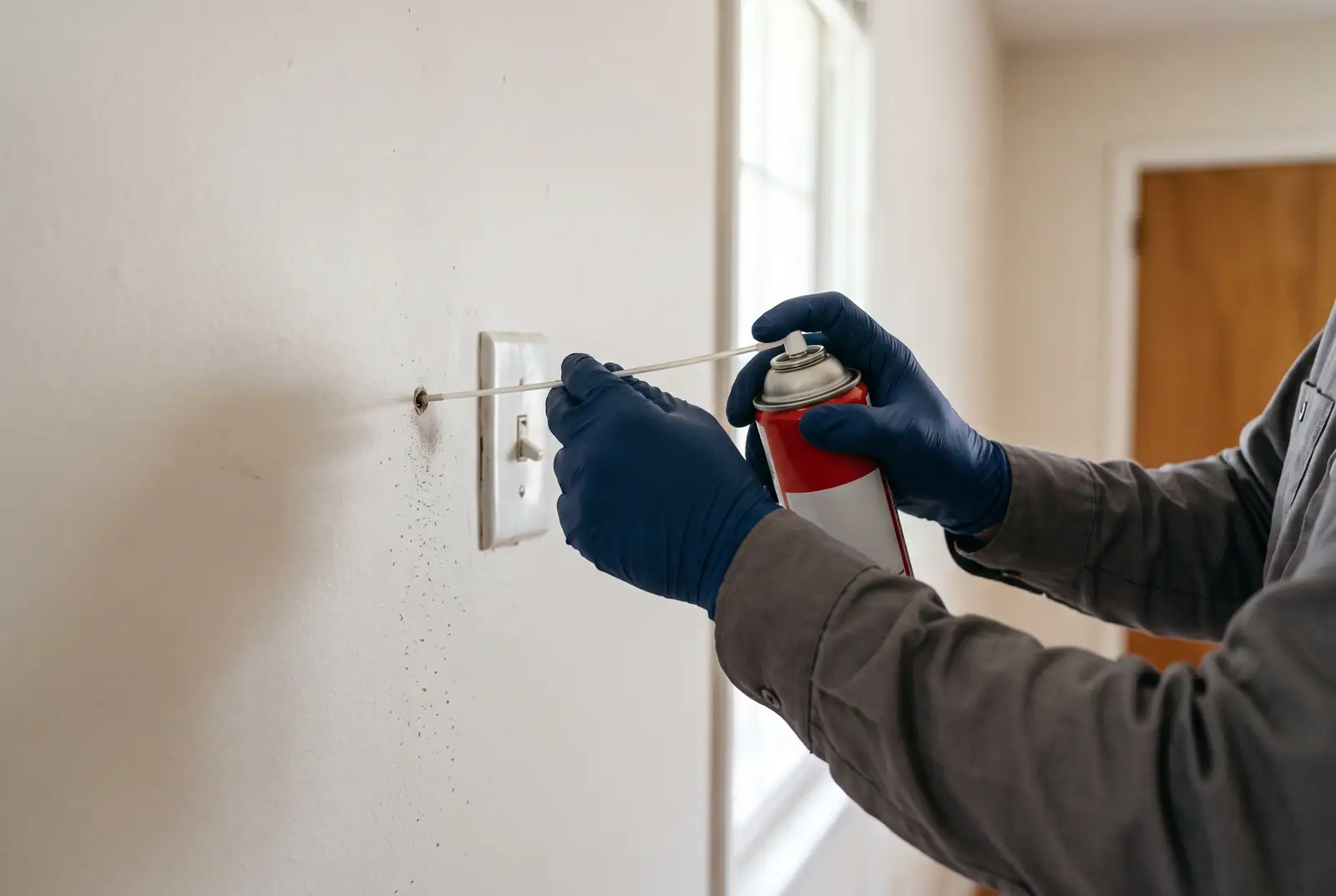
Treating A Nest Inside A Wall Or Attic
The cavity is treated through its own opening, and the hole is never sealed first.
What a Wall Void and Attic Nest Treatment Is and When It Is the Right Call
A wall void nest starts small. A queen finds a gap, often at a soffit, a vent or an unsealed utility penetration, and builds inside the cavity behind it. By midsummer the workers are flying in and out constantly, and by late summer a European hornet colony can be several hundred insects and a yellow jacket colony several thousand. European hornets are very large and build very quickly; homeowners here sometimes call them Japanese hornets. Because of their size the sting is very painful, which is one reason this work belongs to a technician with protective gear.
We start by finding the actual entry point, which is not always where the insects are most visible, and by locating the nest inside the cavity as closely as we can from the traffic pattern, by listening and, where useful, by checking the attic. The product is then applied into the void through the entry opening so it reaches the nest and the insects moving through the cavity. A dust or an aerosol made for voids is typical, because it travels through the cavity rather than sitting where it lands. The technician then leaves the opening as it is.
Sealing the hole is the last step, done only after the traffic has stopped. Foragers out in the field need to come home through the treated opening to contact the product. A colony that is sealed in alive looks for another exit, and a hornet or yellow jacket that emerges from a light fixture or a chewed spot in a ceiling is a much harder problem than one entering the wall from outside.
Expect activity at the opening to drop over a day or two, and expect us to come back and check before anything is closed. Where the nest can be reached in an attic it is removed once quiet. Inside a closed wall it usually stays where it is, and the dead colony dries out without causing a problem. Sealing the entry afterward is part of the work, and we look for the similar gaps nearby that next year's queen would use.
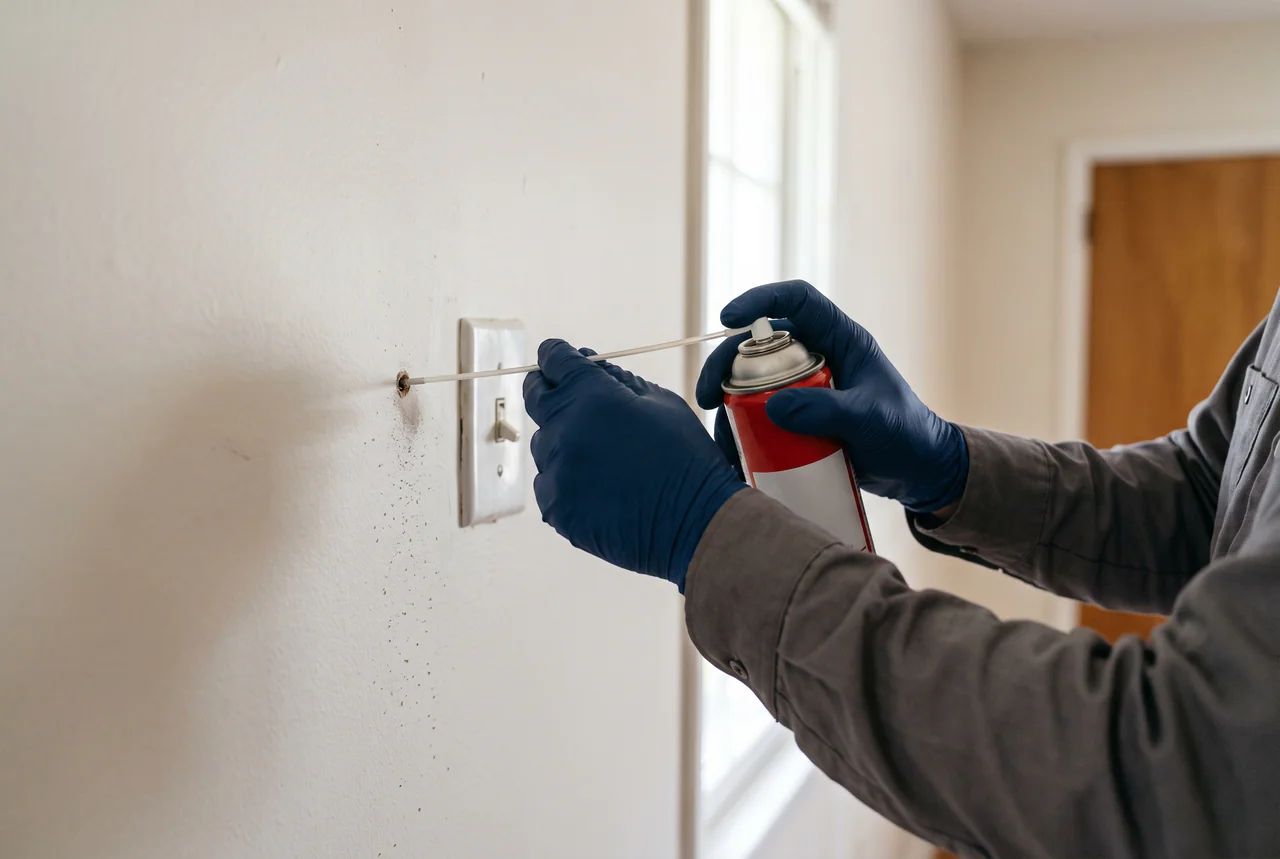
How We Treat a Nest in a Wall Void or Attic
Locate the entry and the nest
We watch the traffic to find the true entry point and estimate where the nest hangs inside the void. In an attic, we check from inside where access allows.
Confirm the species
European hornets, yellow jackets and paper wasps behave differently in a cavity, and honey bees in a wall are treated as a relocation question where practical.
Treat the cavity through the opening
The product goes into the void through the entrance the insects use, so it reaches the nest and the insects moving through the cavity. The opening is left open.
Let the colony stop
Foragers return through the treated opening over the following day or two. We come back to confirm the traffic has ended.
Remove the nest where it can be reached
An attic nest that can be reached is removed once quiet. A nest inside a closed wall is left in place and dries out.
Seal the entry
Only after activity has ended is the opening sealed, along with similar gaps nearby that a queen could use next season.
A Local, Family Owned Team in South Hill
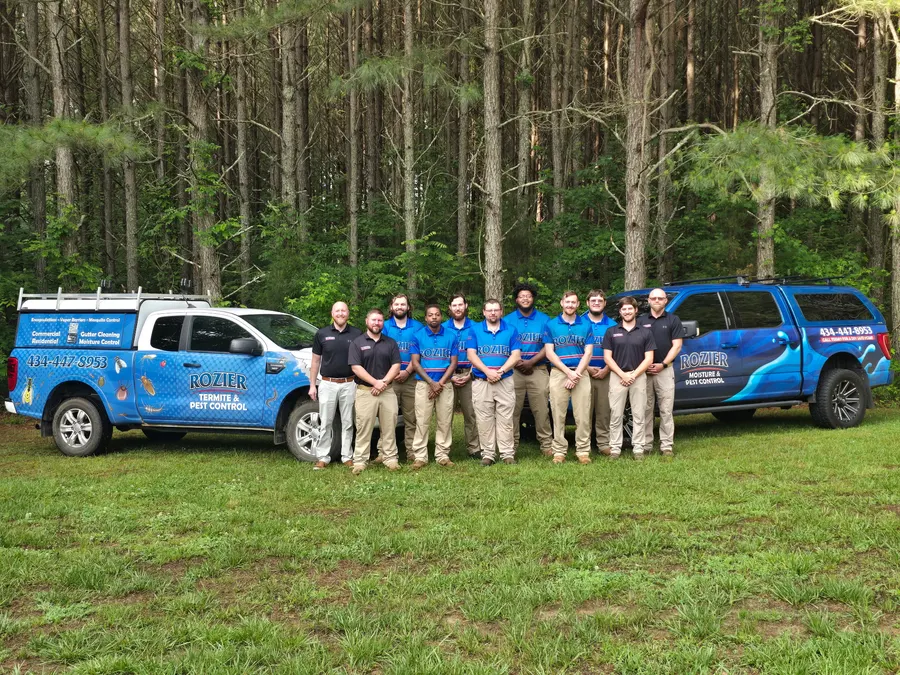
Rozier is a family owned, faith-driven company based in South Hill. Because moisture is what invites termites and rodents in the first place, real prevention starts below the surface.
We treat the infestation and correct the moisture conditions that caused it, instead of handing you to a second contractor.
Each home we visit is assessed through a pest lens and a moisture lens, because underneath a house they are the same problem.
We do not arrive with a predetermined treatment and a timer running. What we propose follows from what we find.
Children, pets and sensitive family members are part of the decision about what gets used and how it is applied.
Answers to Common Questions About Wall Void and Attic Nest Treatment
Don't see your question here? Our team is happy to help. Reach out anytime.
Signs That May Point to Stinging Insect Activity
These are some of the warning signs that can lead to a stinging insect inspection. The right treatment depends on what the inspection finds.
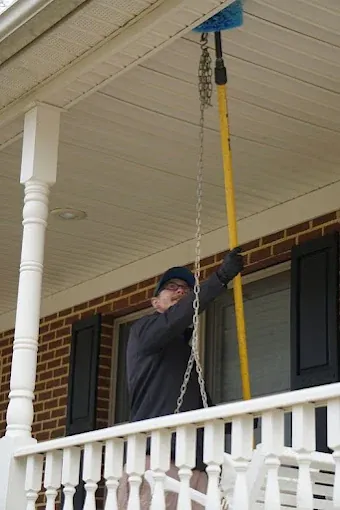
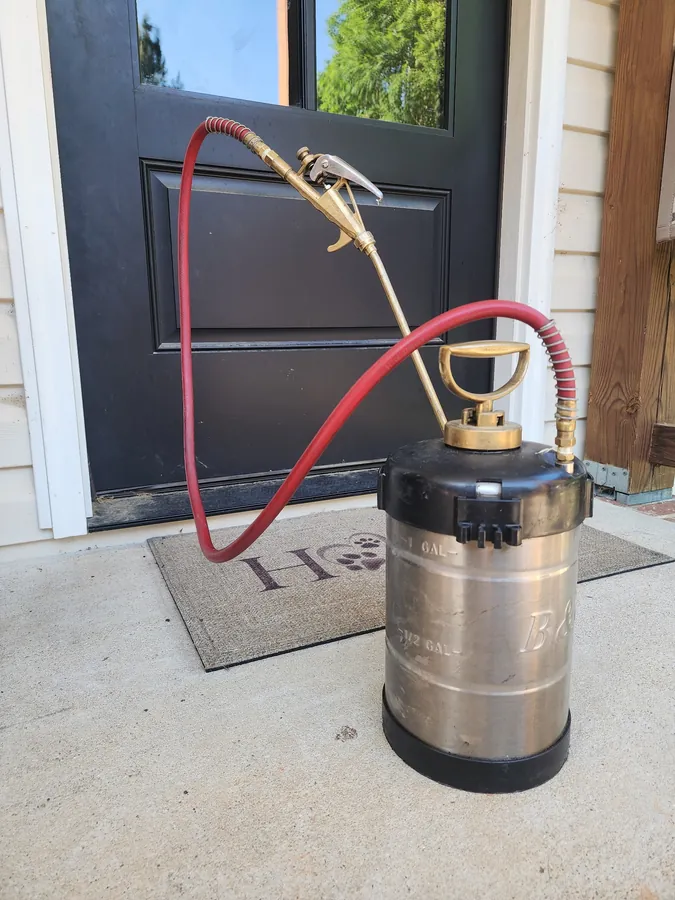
Other Stinging Insect Control Solutions We Use
Each method is matched to what the inspection finds at your property. These are the others we use for the same kind of problem.
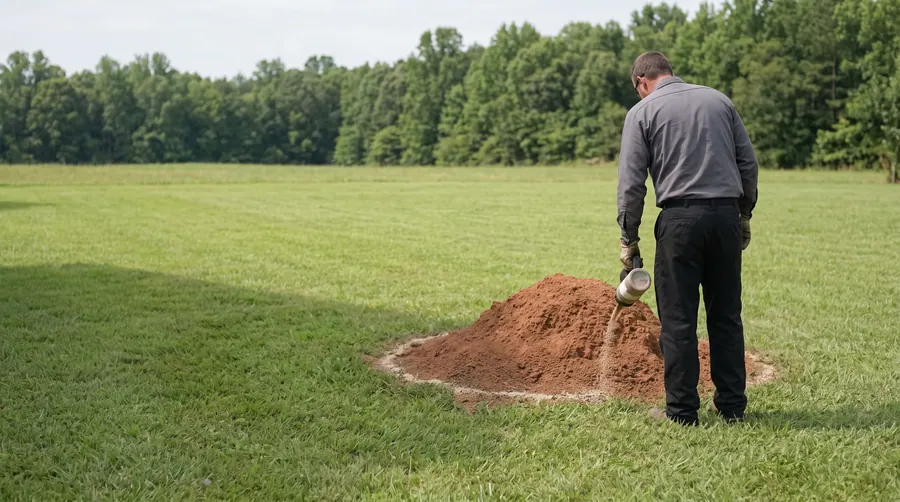
Eave and Soffit Residual Treatment
A treated surface where wasps like to build, applied before and during the season.
Learn more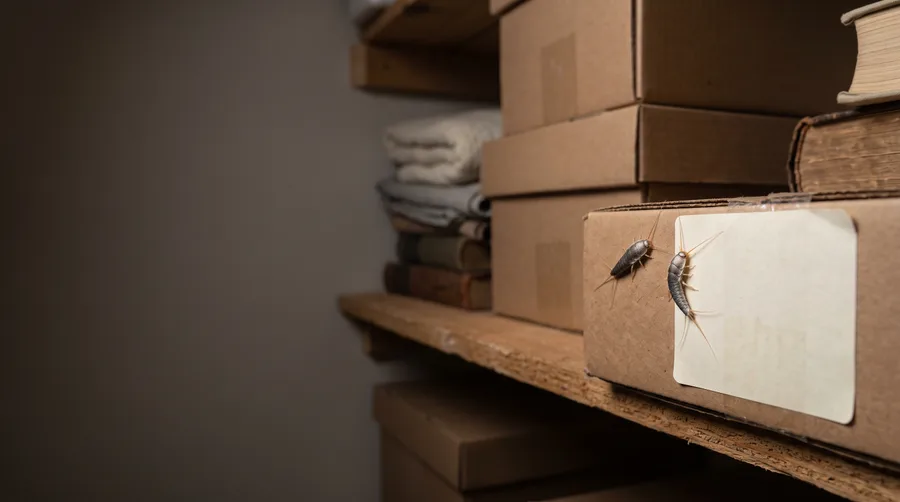
Nest Treatment and Removal
The nest is treated first, then taken down once the colony has stopped moving.
Learn more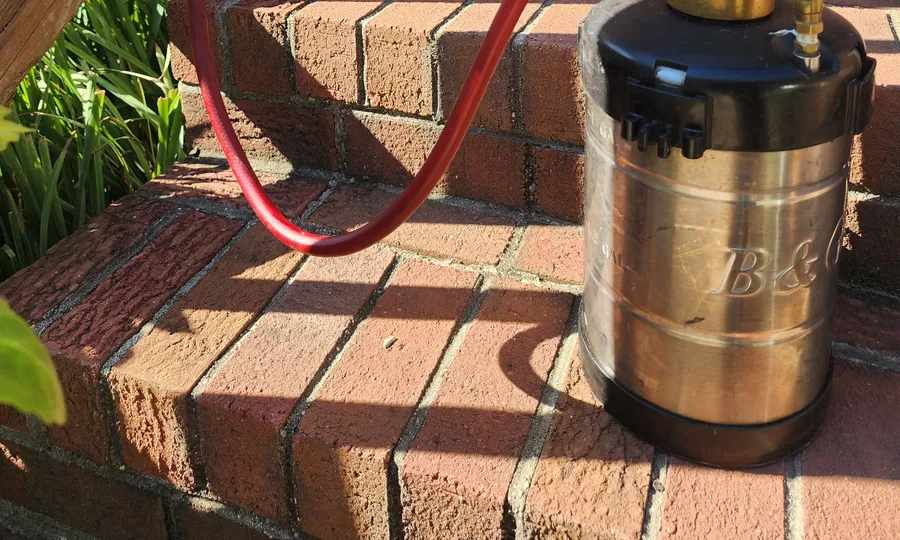
Ground Nest Treatment
Yellow jackets and cicada killers are treated at the entrance hole, where the colony comes and goes.
Learn moreProudly Serving Southern Virginia and Northern North Carolina
Rooted in South Hill, we work across both states with the responsiveness of a local team. If your town is not listed, call us. There is a good chance we are already there.
Protection in Three Straightforward Steps
No confusing plans and no pressure. Here is exactly how we get your home protected.
Call for a free estimate.
One quick call and we schedule a visit at a time that suits you, at no cost and with no obligation to go ahead.
Get a plan built for your home.
We inspect above and below the surface, explain plainly what we found, and recommend only what your property actually needs.
We handle the work.
Our team carries out the treatment or the repair, and tells you what to expect afterwards and when we will be back.
Read What Our Neighbors Say
Verified Google reviews from homeowners throughout southern Virginia and northern North Carolina.
Expert Guidance on Protecting Your Home
Practical articles from the Rozier team on foundation health, waterproofing, and home preservation.
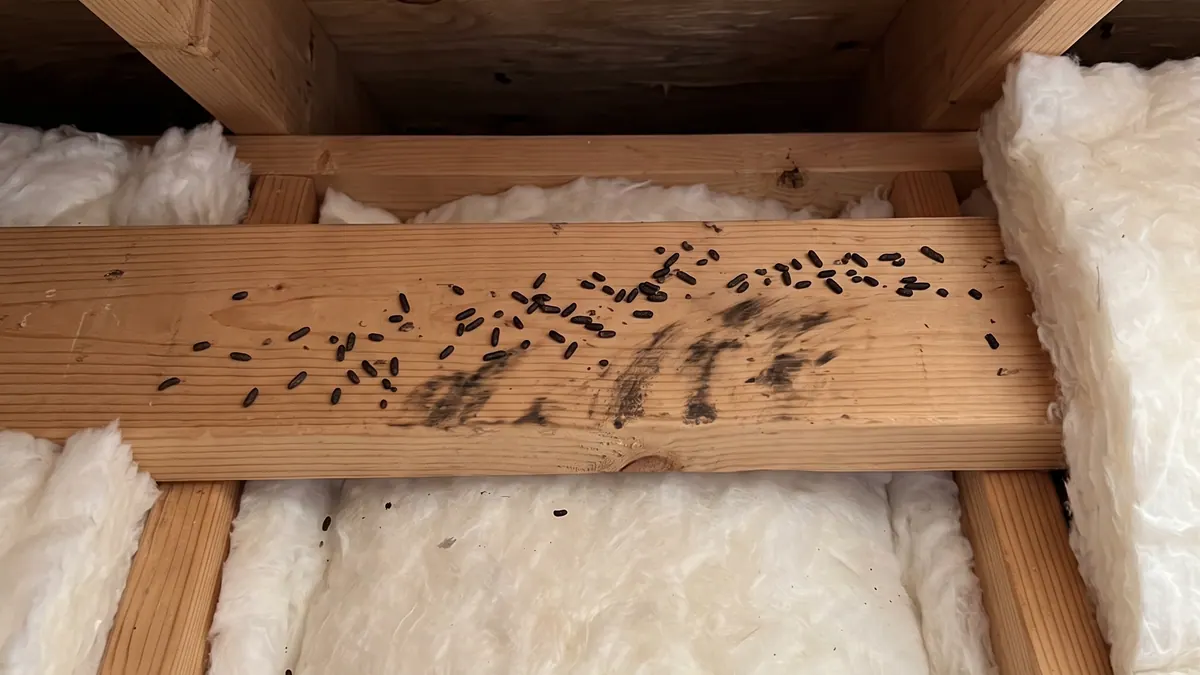 Pest ControlFeatured
5 Tips to Avoid a Rodent Infestation
Five practical steps to keep mice and rats out: seal entry gaps, trim back vegetation, store food securely, manage trash, and dry standing water.
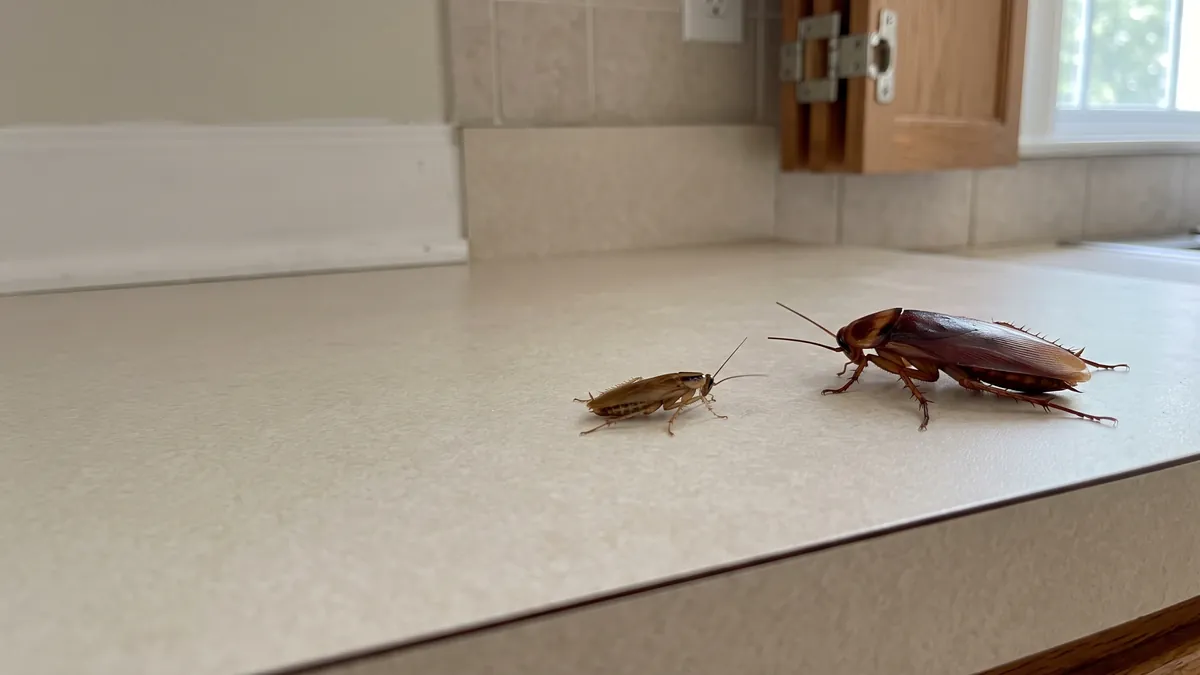 Pest Control
How to Get Rid of German Cockroaches
German cockroaches live indoors all year and hide in kitchen and bathroom gaps, so sprays often miss them. What usually works, and what usually does not.
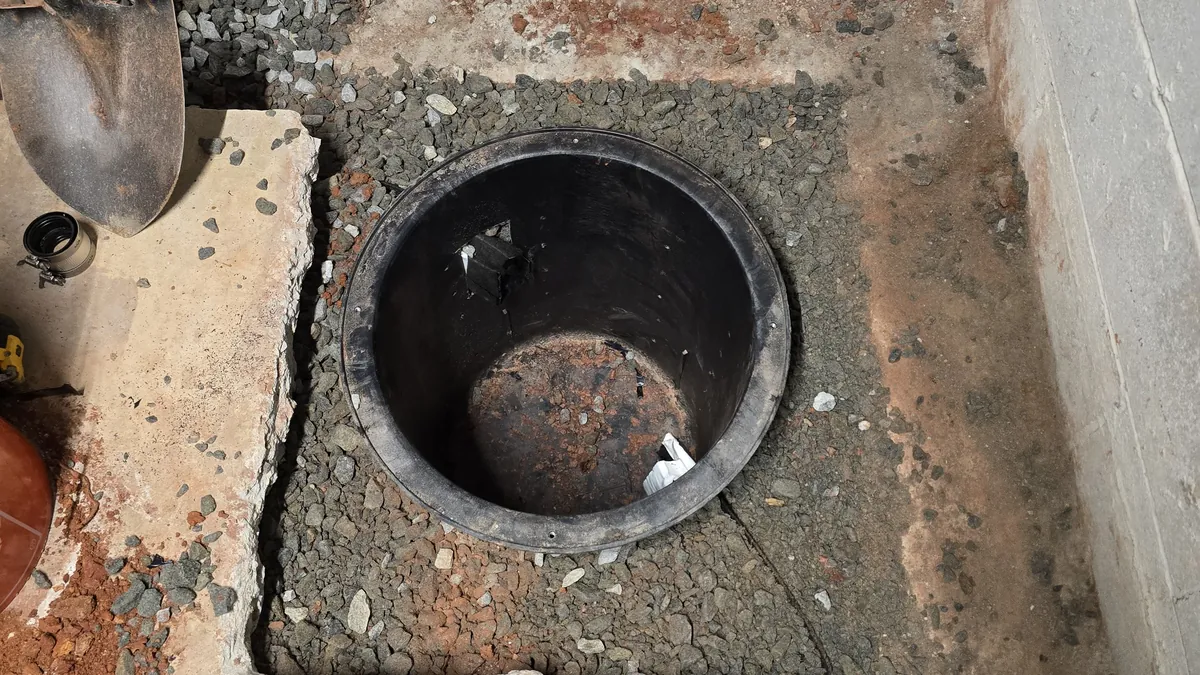 Basement Waterproofing
What Is a Sump Pump and How Does It Work?
A sump pump sits in a pit below the basement floor and pumps rising groundwater away from the house. How it works, the main types, and signs it may need attention.