
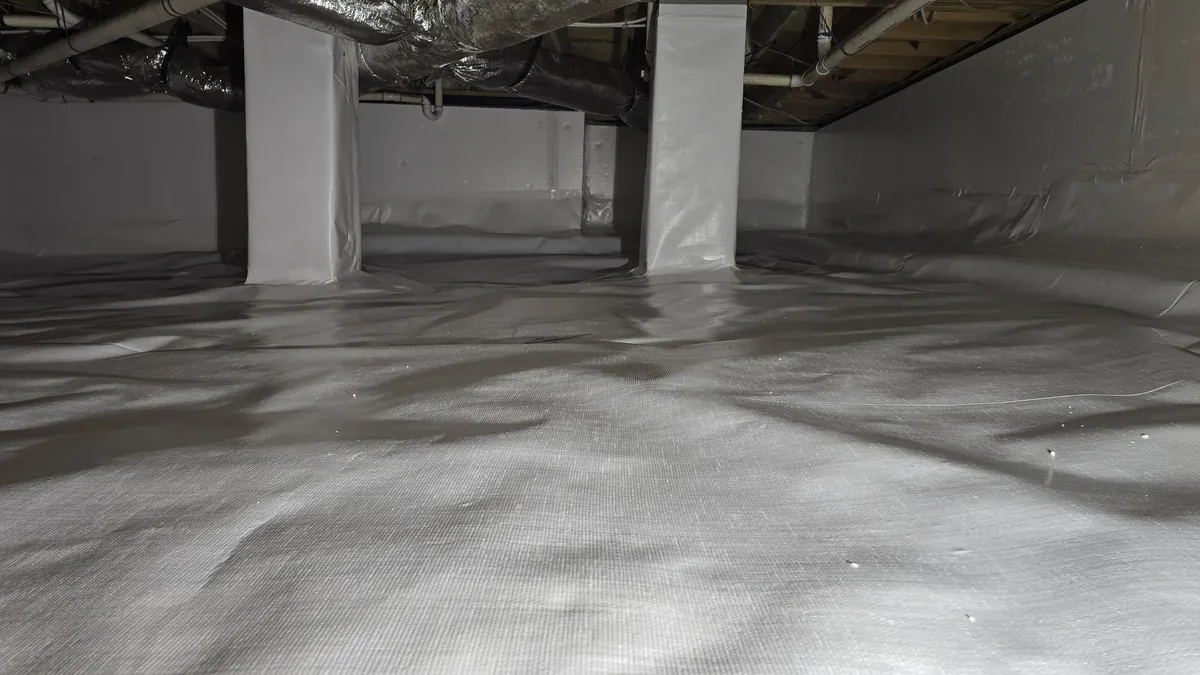
In most houses in southern Virginia and northern North Carolina, crawl space vents usually do better closed, as part of a properly sealed crawl space. Open vents were meant to dry the space out. In a humid summer they often do the opposite, letting warm, wet outside air into the coolest part of the house, where that moisture can turn back into water.
That answer surprises a lot of homeowners, because the vents came with the house and nobody explained what they were for. Here is the reasoning, the signs that open vents may be working against you, and why closing them by themselves is not the whole fix.
Why Were Crawl Space Vents Put in Houses?
Building codes have required vents in crawl space walls for decades. The idea was simple. A crawl space picks up moisture from the soil underneath it, and moving air can carry moisture away. So builders put openings in the walls to let the breeze through.
That logic can hold up in a dry climate. It tends to break down in a humid one, and southern Virginia and northern North Carolina are humid for much of the year.
Why Do Open Crawl Space Vents Cause Problems in a Humid Climate?
Outdoor air in July is warm and holds a lot of water. The ground under your crawl space stays cool all summer, and so do your floor joists, your ductwork and your water lines.
When that warm, wet air comes through an open vent and touches a cool surface, it can no longer hold all of its water. The water leaves the air and collects on whatever it touched. It is the same thing you see on the outside of a cold glass on a summer porch, except here it happens on the wood your floor is built from.
So on the muggiest days of the year, a vented crawl space may be taking on water instead of drying out. The vent is often the way the water gets in.
What Happens Under Your Floor When Moisture Collects?
Damp wood and still air can change a crawl space in ways you may notice upstairs before you ever look below.
- Wood takes on moisture. Joists and subfloor absorb it, and wood that stays damp can lose strength and begin to rot.
- Mold gets what it needs. Mold needs moisture more than anything else. The EPA recommends keeping indoor humidity below 60 percent, and ideally between 30 and 50 percent, to limit mold growth. A vented crawl space in a humid summer can run well above that.
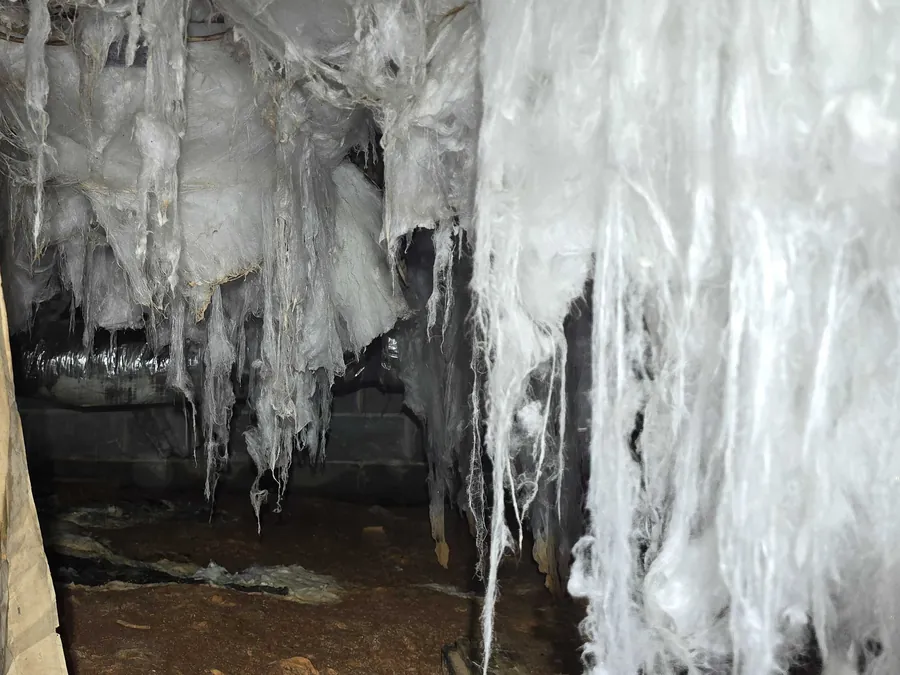
- Insulation can sag. Fiberglass batts hold water, get heavy and pull away from the subfloor, which is why loose insulation is such a common sight in a vented crawl space.
- Air moves upward. Air in a house tends to rise, so some of the air in your crawl space can end up in your living space, along with its odor and humidity.
- Damp wood draws insects. Wood that stays wet is easier for termites and other wood destroying insects to work with.
What Are the Signs That Moisture Is Getting Into Your Crawl Space?
You can often spot these without going under the house, though a look underneath usually tells you far more.
- A musty smell in the rooms above, often strongest in summer
- Floors that feel soft or springy in places, or hardwood that cups upward at the seams
- Insulation drooping between joists or lying on the ground
- Condensation on ductwork or water lines under the house
- Standing water or damp soil in the crawl space after ordinary rain
- Doors and windows that stick more in summer than in winter
None of these confirms a moisture problem on its own. Together they may point to one, and a professional crawl space inspection is how you find out what is actually going on down there.
Should You Close Crawl Space Vents in Winter?
Opening vents in spring and closing them in fall is common advice. Closing them in winter does help, because it keeps freezing air off your water lines.
The trouble is the calendar. Summer is usually when a vented crawl space takes on the most water. A vent that opens in spring and closes in fall is open during the months that tend to do the damage, so seasonal closing only handles part of the problem.
Is It Safe to Simply Close Your Crawl Space Vents?
Closing the vents and doing nothing else is not the fix, and it can leave you worse off.
A crawl space with closed vents and bare soil still has moisture coming up out of the ground, and now that moisture may have no way out. Seal the walls without dealing with the ground and the air, and you can end up with a sealed box that has a wet floor.
That is why the residential building codes used in Virginia and North Carolina generally allow a crawl space without vents only when two other things are handled. The ground has to be covered with a continuous vapor retarder, and the space needs a way to control humidity, either with conditioned air from the house or with a dehumidifier. Your local building official is the authority on what applies to your house.
What Does a Sealed Crawl Space Include?
Sealing a crawl space properly means treating it as part of the house. Crawl space encapsulation is the name for that work, and it usually has four parts.
- A ground vapor barrier. A heavy sheet covers the soil and runs up the walls, sealed at the seams, so moisture in the ground cannot reach the air. The whole system rests on this piece, which is why vapor barrier installation is where the work starts.
- Sealed vents and openings. The vents are closed and sealed, along with other gaps in the walls and the rim. That step is crawl space vent sealing, and it only makes sense once the ground is covered.
- Humidity control. With the space closed off, something has to hold the humidity down. A crawl space dehumidifier sized for the space is the usual answer.
- Repairs first, where they are needed. If water comes in through the walls, or joists are already damaged, that work normally comes before any sealing. Our crawl space repair services cover the structural side.
A sealed crawl space still needs some care. A dehumidifier needs its filter cleaned and its drain checked, and a vapor barrier can be torn by anyone working under the house. Plan on checking it now and then.
How Does Crawl Space Moisture Connect to Termites and Other Pests?
This is where moisture work and pest work meet.
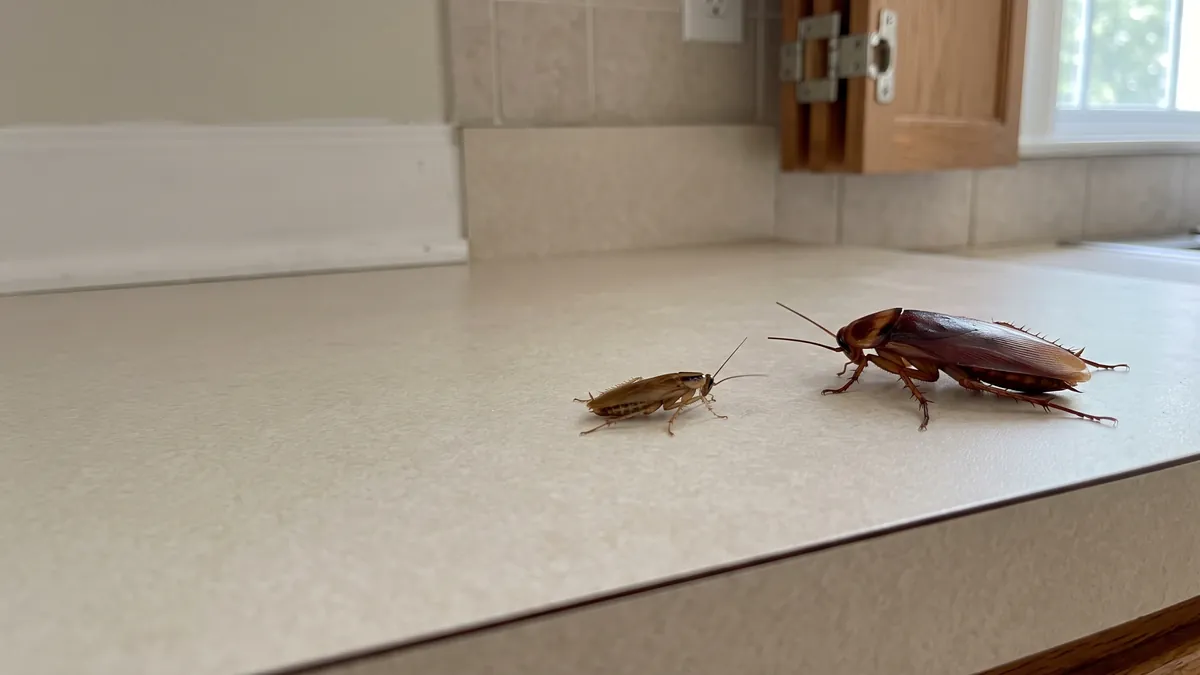
Subterranean termites need moisture. A damp crawl space with wood close to wet soil can give them both food and the conditions they need. Rodents, cockroaches and other pests also look for water, and a crawl space that stays wet can be a steady source of it.
Fixing the moisture does not replace termite treatment and protection, and no crawl space work makes a house termite proof. It can remove one of the conditions that makes a house attractive to pests, which is why we look at moisture and pests together.
Concerned About Moisture in Your Crawl Space?
If your vents are open and your house is in southern Virginia or northern North Carolina, closing them is probably the right direction. Closing them alone usually will not do much for you.
A useful next step is finding out what state your crawl space is in now: how wet the soil is, what the humidity reads, whether the wood shows damage, and whether water is coming in through the walls as well as up through the ground. That tells you what the space actually needs, and nobody can judge it from the vent openings alone.
Rozier Pest Control & Waterproofing works on crawl spaces and pests across southern Virginia and northern North Carolina, including South Hill, Petersburg and Danville. If you would like someone to look at yours, contact our team and we will set up a time.
Our post on the hidden dangers of crawlspace moisture goes further into what moisture does once it is under the house.