Yes, termites are usually still active in winter. The subterranean termites common in southern Virginia and northern North Carolina live in colonies in the soil. Those colonies do not die off or go fully dormant when the weather turns cold. Cold slows them down near the surface, but termites that have already reached a heated house may keep feeding all season. That is one reason termite control in this region continues through the whole year.
This post covers what termites do in cold weather and why a heated home changes the picture. It also covers when swarms usually happen here, and which signs you can still look for in the colder months.
Do Termites Die in the Winter?
A cold spell usually does not kill a termite colony. When the soil near the surface gets too cold, termites tend to move deeper into the ground.
The colony lives in the soil, not in the open air. Workers travel up from the ground to feed on wood. Then they travel back down for the moisture they need. University of Georgia Extension notes that subterranean termites adjust their activity to find suitable temperatures. They move deeper in the soil when the surface is too hot or too cold.
Where the topsoil stays frozen for long stretches, winter feeding is limited. At any one house, how much activity slows can depend on a few things:
- how cold the soil gets near the surface
- how deep the colony is
- whether the termites have already found a warm building to feed in
University of Georgia Extension also notes that little is known about how termites forage in winter. So it is safest to assume that a colony near your house will still be there in the spring.
What Do Termites Do in Cold Weather?
In cold weather, termites usually forage less near the surface and spend more time deeper in the soil. The colony keeps living, and the workers keep feeding wherever the temperature and moisture allow it.
Subterranean termites need moisture to survive. They cannot cross open air or bare concrete for long without drying out. So they travel inside the soil, inside wood, and inside the narrow mud tubes they build up foundation walls, piers and pipes. Those routes stay in place through the winter, whether or not you can see termites using them.
A quiet winter is not proof that termites have left. Because they work out of sight, a colony can go unnoticed for months in any season.
Can Termites Stay Active Inside a Heated House?
Termites that are already feeding inside a heated house may stay active all winter. University of Georgia Extension says termites most likely remain active in cold weather when the building they are infesting is heated.
Penn State Extension notes that termites especially favor spots that stay warm in cold months. These include the areas around furnaces, chimneys, water heaters and hot water pipes. In a house built over a crawl space, the floor framing and the plumbing that runs through it can give termites both warmth and moisture.
So the question has two answers. Outside in the yard, termite activity near the surface often slows in winter. Inside a building they have already reached, the season may make little difference.
When Do Termites Swarm in Virginia and North Carolina?
Termite swarms usually begin in late winter or early spring and can continue into the fall. NC State Extension reports that at least three native subterranean termite species in North Carolina begin swarming in late winter. Swarming continues into September or October, usually on warm days after rain.
Swarmers are the winged termites a mature colony sends out to start new colonies. After a short flight, they shed their wings. Small piles of identical discarded swarmer wings on a windowsill are often the first sign a homeowner notices.
A swarm in the middle of winter is uncommon. It can still happen inside a heated building. Winged termites indoors in the cold months usually point to a colony living in or under the house. Swarmers leave through the wood they have been living in.
What Signs of Termites Can You Look for in Winter?
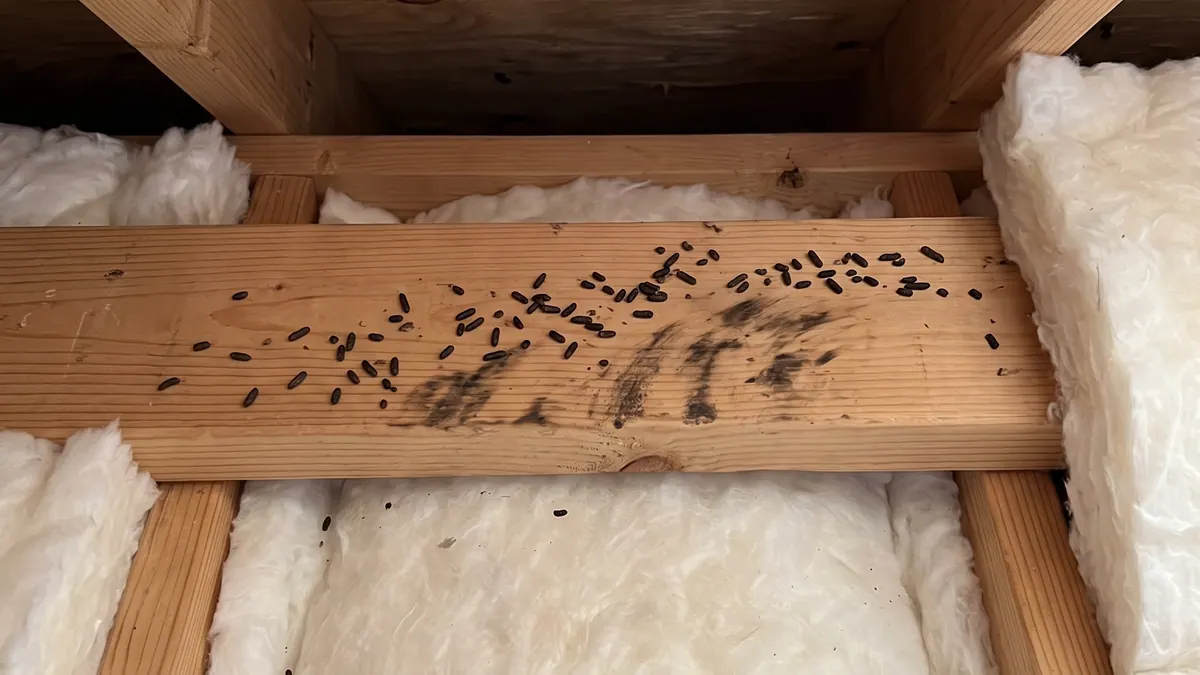
Several common signs of termites can still be found in winter. Most of them are things termites build or leave behind, so you do not need to see a live termite to find them. These checks can give you a general idea, but they may not find every problem.
- Mud tubes. Narrow lines of dried soil on a foundation wall, a pier or a pipe are the clearest sign of subterranean termites. Our page on mud tubes on foundation walls explains how to read them. A tube can stay on the wall long after termites stop using it. Finding one does not tell you by itself whether the colony is still active.
- Wood that sounds hollow. Termites eat wood from the inside and can leave a thin outer shell. Wood that sounds papery when tapped may have hollow sounding wood damage behind the surface. Baseboards, sill plates and joists are common places to check.
- Blistered or bubbling paint. Moisture from termite activity can lift paint on trim from behind. It can look like water damage, and the two often show up together.
- Wings from an earlier swarm. Wings are light and dry. They can stay in window tracks, spider webs and corners for a long time after a swarm.
Our guide to the signs of a termite infestation covers each of these in more detail. An earlier post on spotting termite damage early shows where these signs tend to appear in Virginia homes. None of these signs confirms termites on its own, and several have other causes. An inspection is still the best way to know what you have.
Why Does Moisture Under the House Still Matter in Winter?
Damp wood is easier for termites to eat and easier for them to reach, whatever the season. A moisture problem under a house often turns into a termite problem in the same house.
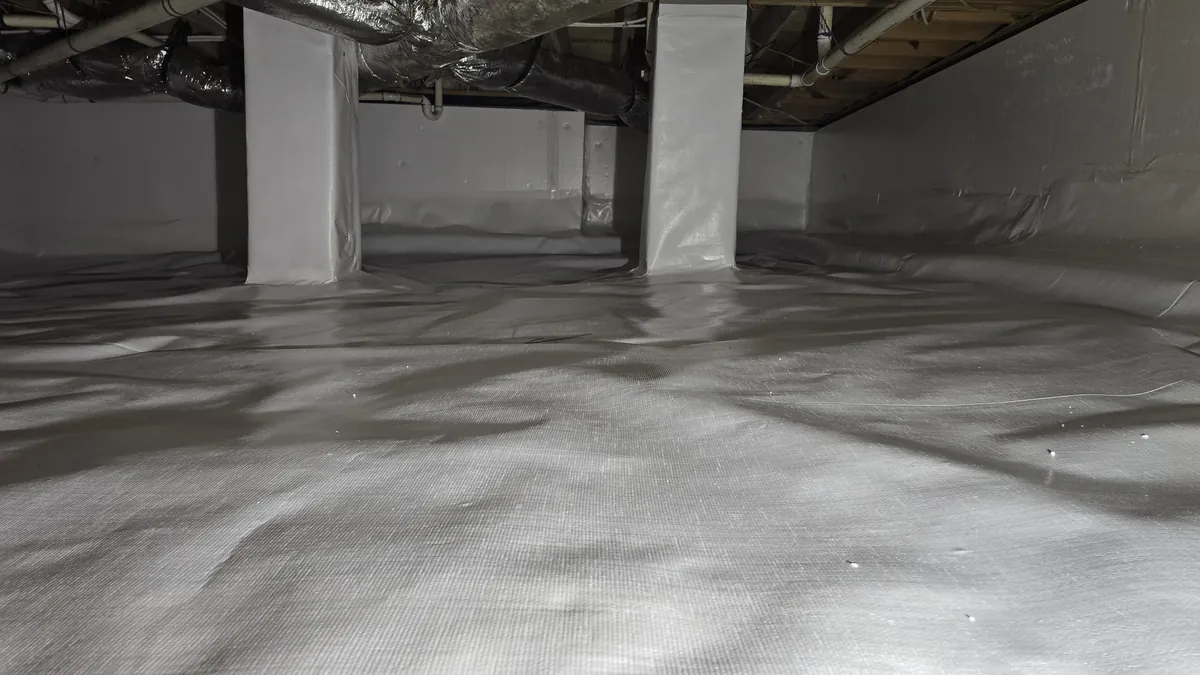
Red clay soil can hold water against a foundation. A crawl space with wet soil, standing water or damp framing gives a colony the conditions it prefers. That is one reason a termite inspection from Rozier Pest Control & Waterproofing checks the crawl space for water as well as for insects.
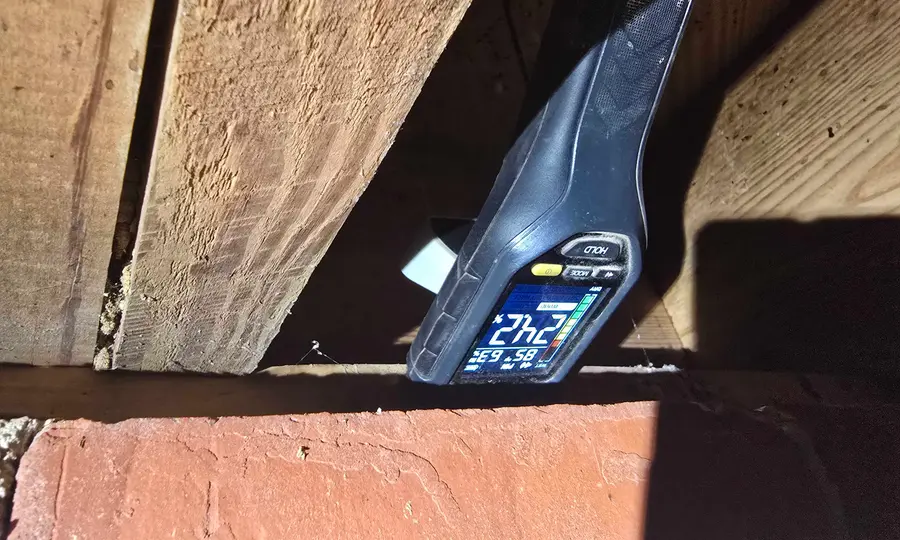
When an inspection finds damp wood, the conversation includes what is keeping it damp. Treating termites without correcting the moisture can leave the house open to the next colony. Rozier also handles crawl space repair, so both issues can be looked at in the same visit.
Is Winter a Good Time for a Termite Inspection?
A termite inspection can be done at any time of year, including winter. Termite pressure in southern Virginia and northern North Carolina stays steady through the year. The signs an inspector looks for in the crawl space are there in winter too.
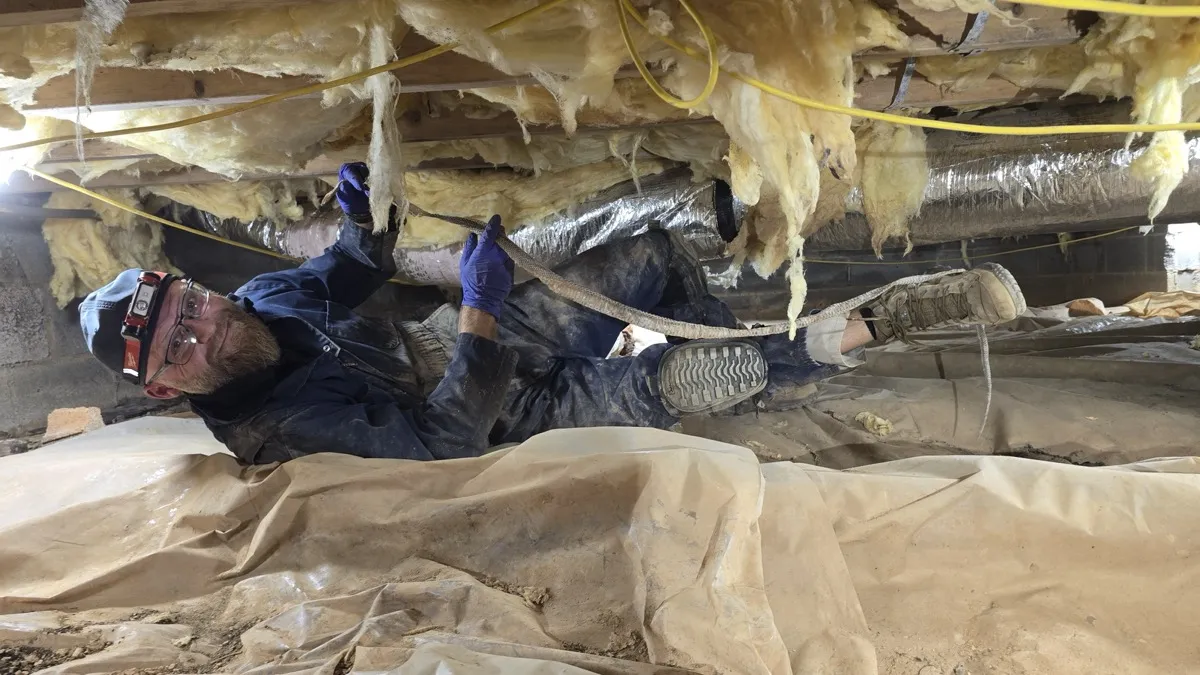
During an inspection, Rozier goes into the crawl space and checks the piers, sill plates, band board and joists. The inspector follows the foundation walls inside and out, looking for mud tubes. The inspector also checks plumbing and utility openings, wood that touches soil, and the areas around porches, steps and decks. Probing and tapping the wood helps find damage the surface does not show.
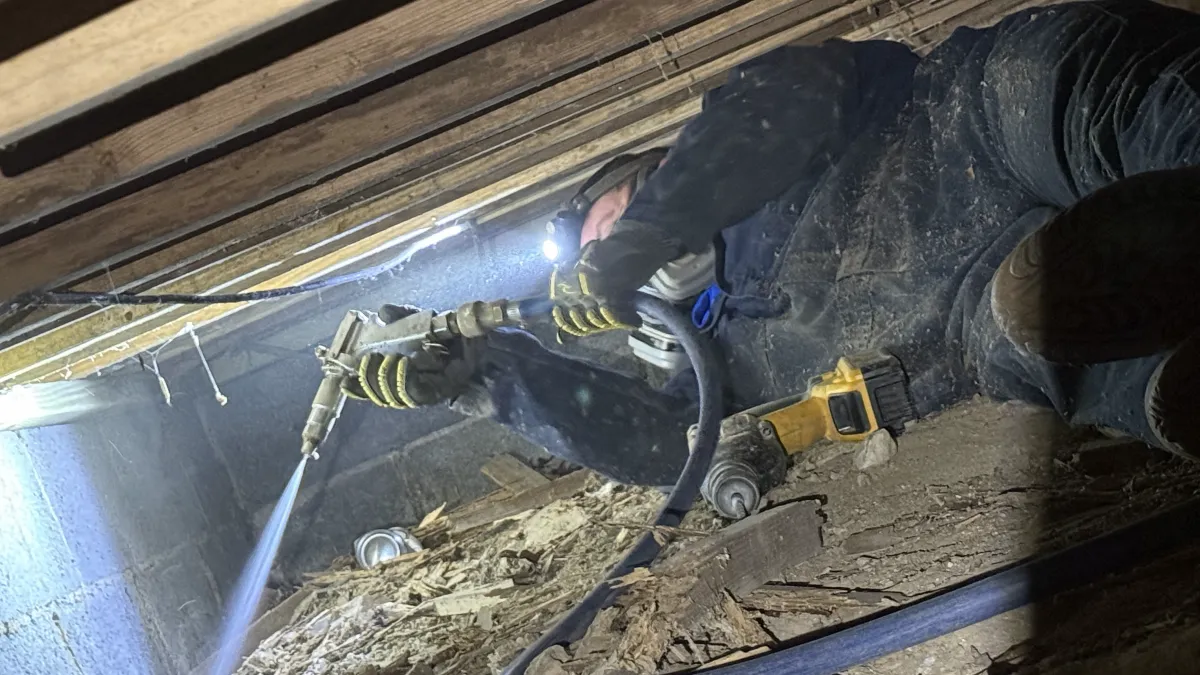
What you get is a plain report of what was found, where, and what is recommended. If there is no activity, you will hear that too. If there is, the inspector explains the treatment options for your property, such as a liquid soil treatment or monitored bait stations. After a treatment, Rozier comes back once a year to inspect again. Our post on staying ahead of termites explains why that yearly look matters.
Rozier Pest Control & Waterproofing serves homes across southern Virginia and northern North Carolina, including South Hill, Petersburg and Danville. Have you found any of these signs, or has it been a while since anyone looked under your house? Contact our team to set up an inspection.
Frequently asked questions
- Does cold weather kill termites?
- A cold spell usually does not kill a termite colony. When the soil near the surface gets too cold, termites tend to move deeper into the ground.
- Can termites swarm in winter?
- A swarm in the middle of winter is uncommon. It can still happen inside a heated building. Winged termites indoors in the cold months usually point to a colony living in or under the house.
- Is it worth having a termite inspection in winter?
- A termite inspection can be done at any time of year, including winter. Termite pressure in southern Virginia and northern North Carolina stays steady through the year. The signs an inspector looks for in the crawl space are there in winter too.